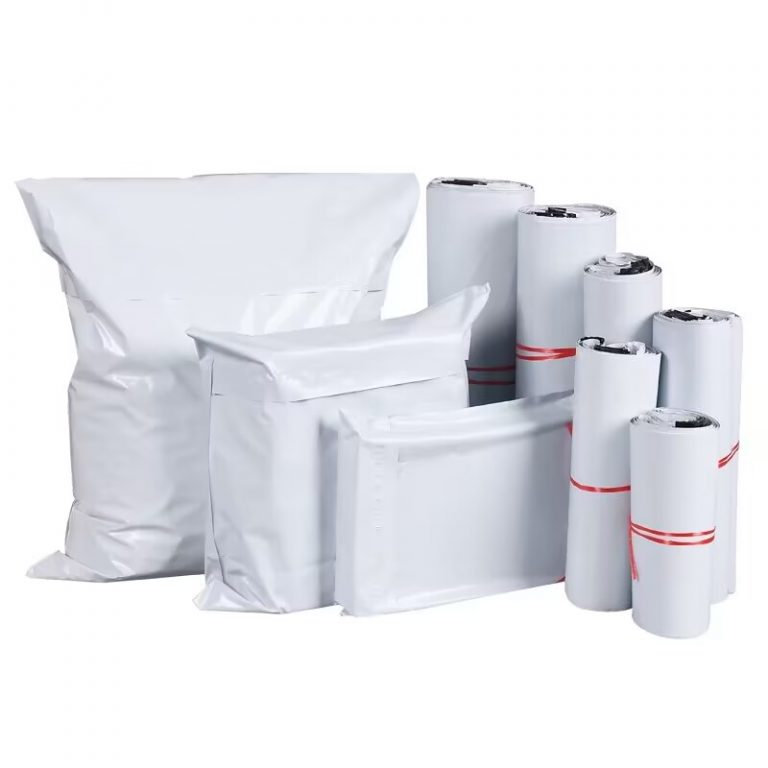
Why a comparative approach is essential
Deciding between cheaper unit cost and lower transit damage claims is not a single-variable choice; it is a trade-off that determines margin, customer satisfaction, and returns velocity. In the wake of the 2020 COVID‑19 surge in online orders, many merchants saw a parallel rise in packaging failures and carrier claims—forcing procurement to treat packaging as a strategic input. This article examines how sourcing bulk colored, recycled options such as eco friendly poly mailers affects total cost of ownership compared with standard commodity mailers, and why choosing sustainable poly mailers can shift that balance in measurable ways.
Defining the variables: unit cost, damage claims, and ROI
To compare suppliers and materials, establish three clear variables: unit cost (including freight and duties), expected rate of transit damage claims (per 1,000 shipments), and the cost per claim (returns processing, replacement, lost margin, and reputational impact). Use a simple ROI formula: net savings = baseline cost savings from cheaper units – (incremental claim rate × cost per claim). This places MOQ, lead time, and fulfillment compatibility squarely in the financial model rather than in abstract product language.
Scenario analysis: conservative, neutral, and aggressive savings
Model three purchase scenarios to see how sensitive ROI is to small changes in damage rates. For example:
- Conservative: large-volume retailer with automated fulfillment and strict packing protocols; damage rate is low; small unit savings compound.
- Neutral: direct‑to‑consumer brand with mixed SKUs; damage rate moderate; need balance between color/branding and protection.
- Aggressive: high-aspiration boutique with fragile contents and premium branding; damage rate higher; cheaper mailers may erode perceived value and return costs.
In most neutral and aggressive cases, a small increase in transit damage claims—one or two additional RMAs per thousand—erodes the benefit of a lower unit price. The sensitivity of the model highlights why color, material thickness (gauge), and closure quality must be treated as variable inputs in any sourcing decision.
Material and design factors that drive damage claims
Three packaging attributes most commonly explain differences in transit performance: film strength (gauge), seam integrity (weld quality), and closure reliability (adhesive strip or zip). Brands that opt for branded, colored films often accept slightly higher costs for printed or pigmented materials; however, those processes must not compromise weld strength. — Experience from multiple fulfillment centers shows that visual finish sometimes masks reduced technical performance, which leads to higher replacements later.
Common procurement mistakes and practical alternatives
Procurement teams frequently focus on per-unit price and ignore lifecycle costs. Common errors include:
- Ignoring first-article testing on the actual packing line (resulting in unexpected fit or closure problems).
- Assuming carrier handling will remain constant regardless of package robustness.
- Failing to account for RMA labor, which can double the effective cost of a damaged order.
Practical alternatives include sample-line trials, specifying minimum weld strength, and testing with real SKUs. If budget constraints force a choice, consider hybrid approaches: use branded, sturdier mailers for fragile or high-margin SKUs and commodity mailers for low-cost, low-risk items.
Vendor selection checklist
When comparing suppliers, require: certified material composition (recycled content where relevant), documented QA metrics (historical defect/damage rates), and agreed trial quantities for live fulfillment tests. Also confirm lead time variability and contingency plans for supply disruptions—MOQ and lead time remain primary levers that govern both cost and flexibility.
Implementation playbook: quick steps to validate ROI
Run a controlled pilot over a 30–60 day window:
- Segment SKUs by fragility and margin.
- Assign test and control mailer types across matched cohorts.
- Measure damage claims, returns handling time, and customer feedback.
Use the pilot to update the ROI model and to negotiate contractual terms tied to measured QA thresholds. This approach reduces reliance on supplier promises and places measurable performance at the center of procurement decisions.
Three golden rules for selecting the right poly mailer strategy
1) Measure, do not assume: require sample tests on the actual packing line and incorporate real RMA costs into unit price comparisons. 2) Specify performance, not appearance: require minimum gauge and weld-strength specifications in the contract; color and print are secondary if they reduce durability. 3) Balance brand and risk: allocate higher-quality, colored or printed sustainable mailers to high-value SKUs and use cost-effective options where damage risk is demonstrably low.
Procurement choices are not merely tactical. When made with metrics and pilots, they become strategic levers that protect margin and customer experience. For many brands seeking a practical balance between environmental responsibility and transit performance, a partner that provides certified recycled films, clear QA reporting, and scalable supply is the natural answer. WH Packing serves that role through tested materials and data-driven sourcing wisdom. Final thought: practical, measurable packaging wins long-term.