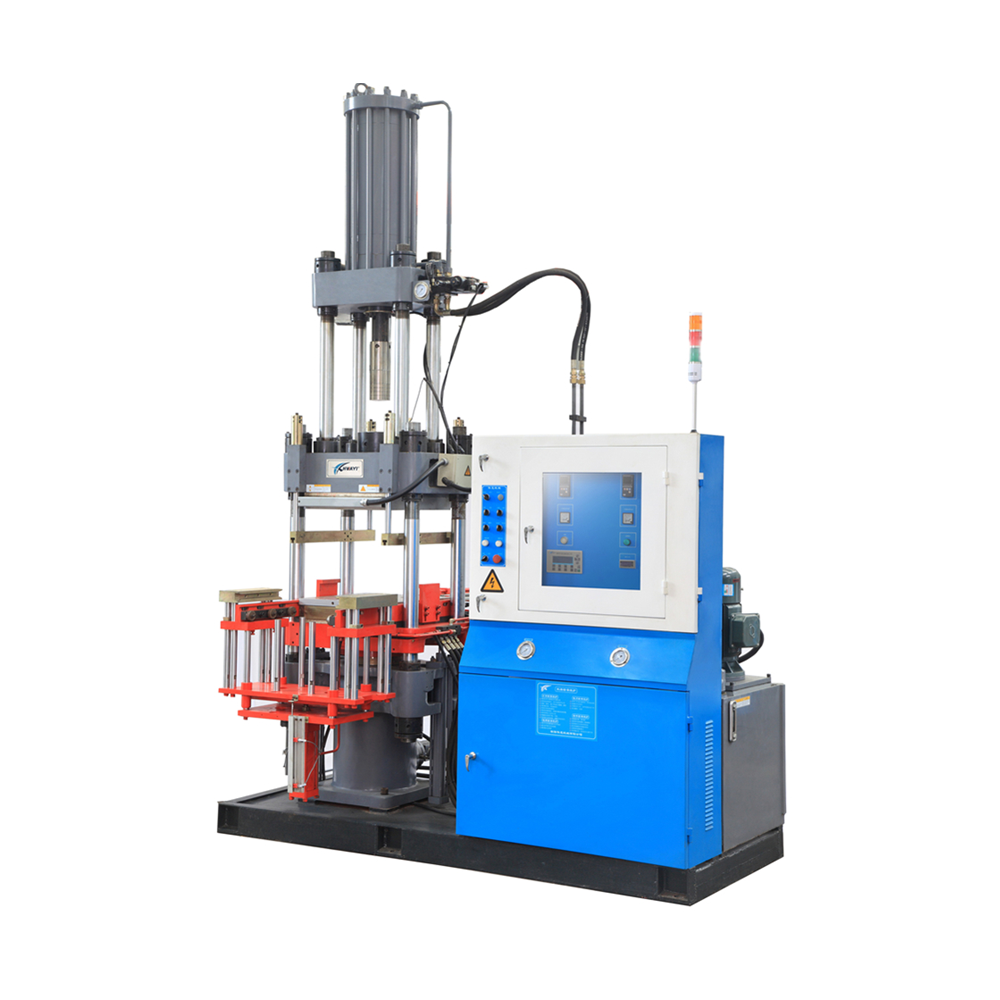
Overview: Comparative logic without the sales fluff
Most manufacturers toss a heating platen into a C-frame press and call it progress — which is adorable. This comparative review looks at how HWAYI’s proprietary heating platen layouts actually deliver a uniform thermal profile, and why that matters when you’re making consistent parts, not lucky guesses. If you care about repeatable vulcanization on a production line, start by checking a solid rubber vulcanizing machine; then read on while I point out what usually goes wrong elsewhere.
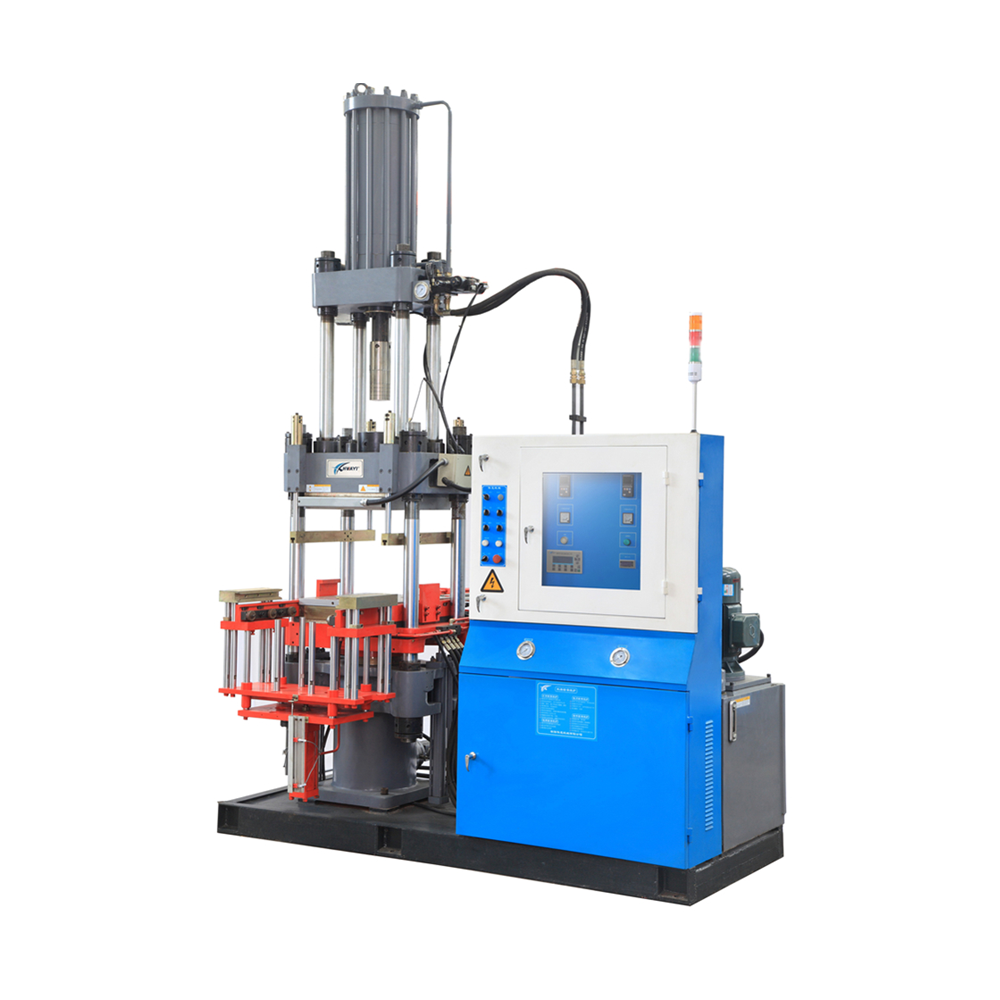
What others typically do (and why it fails)
Standard approaches lean on a single large platen or a few heaters bolted on without thinking about heat flow. The result: hot spots near the heaters and cold zones at the edges. For parts with complex mold cavities, that temperature unevenness shows up as warpage, variable durometer, and scrap. The C-frame press geometry amplifies these errors because the structure itself flexes — and most designs ignore that fact. That’s production drama you don’t need.
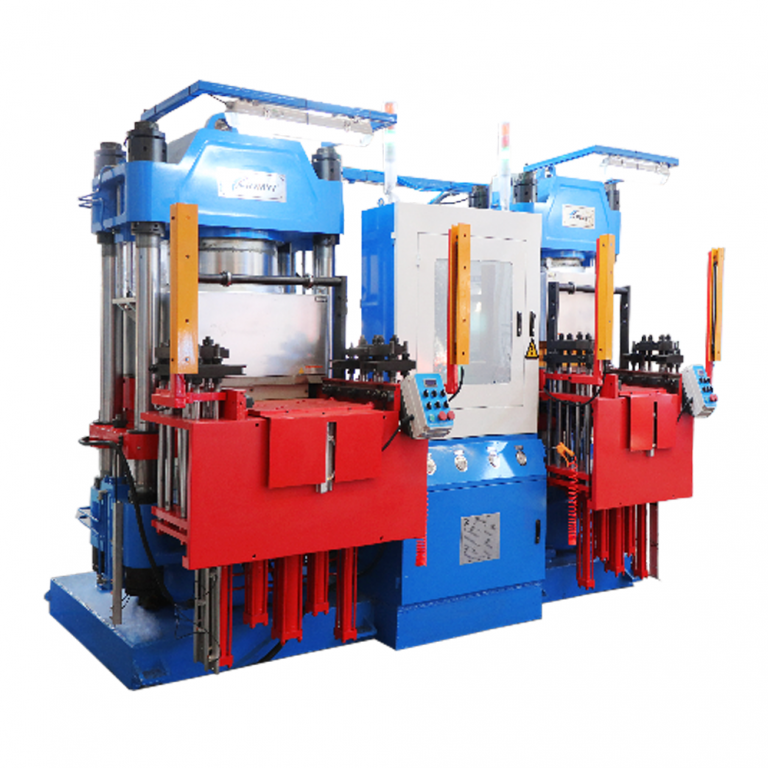
HWAYI’s design choices explained — in plain terms
HWAYI splits the platen layout into controlled zones and balances heater placement with active thermal compensation. The goal is temperature uniformity across the mold cavity. They pair the zone strategy with robust control algorithms so the thermal profile tracks setpoints during the entire vulcanization cycle. The practical payoff: tighter tolerances, fewer rejects, and less rework on the line.
Field performance: real-world anchor from Akron, Ohio
I watched one line in Akron, Ohio switch to a zoned platen setup during a week of rubber seal runs. Scrap rates dropped noticeably over ten heats, and operators stopped babysitting presses between cycles. That kind of improvement isn’t flashy, but it’s measurable: less downtime and fewer adjustments per shift. For operations that measure yield and uptime — which, to be fair, is most of them — that’s worth attention.
How HWAYI stacks up against alternatives
Compare three axes: temperature uniformity, controller responsiveness, and structural integration. Cheap designs win on price but lose on consistency. Mid-tier systems offer better controllers but still patch thermal gaps. HWAYI’s layouts pair hardware zoning with software control and consider C-frame deflection in the thermal model. The net effect is fewer thermal cycles needed to tune a new mold and a faster ramp to stable production.
Common mistakes to avoid — learn from other people’s errors
Don’t oversize heaters to “cover” a problem. Don’t ignore platen flatness and its effect on contact resistance. And don’t rely on a single thermocouple reading — that’s a recipe for hidden cold spots. A disciplined approach uses multiple sensors, maps the entire platen temperature, and validates the actual part properties after the first runs. Also consider alternate machine types when part geometry demands it; a simple switch in mold design or a different press layout can outperform brute-force heating tweaks.
Three golden rules for selecting a platen solution
1) Measure across the platen, not just at the center. Temperature uniformity only matters where the rubber meets the mold cavity.
2) Prioritize integrated control — matched hardware and software reduce tuning time and operator intervention.
3) Account for mechanical deflection of the C-frame in thermal design; otherwise you’re patching symptoms instead of fixing the cause.
Final assessment and natural fit for HWAYI
HWAYI’s zoned platen approach solves the typical pain points with a clear, implementable method: targeted heaters, multi-point sensing, and control logic that actually compensates for press behaviour. For factories tired of chasing process stability, this isn’t miraculous — it’s engineering done with attention. You’ll see lower scrap, shorter validation runs, and fewer night shifts spent tweaking setpoints.
HWAYI provides a practical path from inconsistent runs to predictable production — the sort that keeps lines moving and managers calmer. —