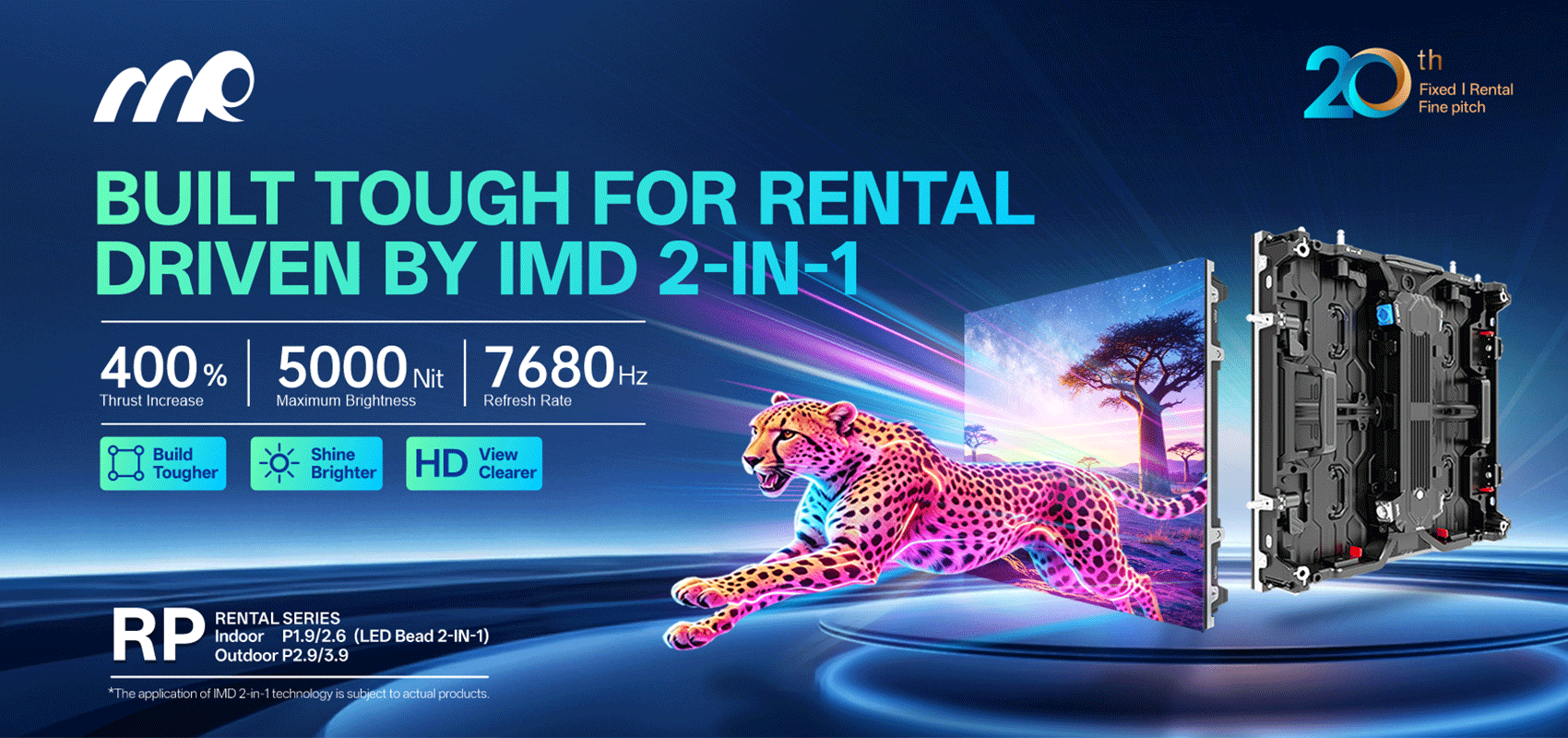
A comparative lead-in: what’s on the table
Down here in the practical world of stage work, you gotta weigh two things hard—how rigid a screen is, and how it handles wind. Startin’ with modular fast-lock systems changes the conversation: they speed up installs and give predictable connection points, but they also mean different rigging math than welded frames. For outdoor gigs like festival stages or arena runs, y’all need to think about real wind specs, attachment strategy, and the panel’s dead weight. If you’re lookin’ at led outdoor screens, the modular interfaces and declared panel weights will be the first numbers yer rigger asks for.
The real-world anchor: standards and events that matter
Use the ASCE 7 guidance as your baseline for wind load decisions — it’s the kind of standard engineers and venue managers trust across the United States. Big events like Coachella and stadium setups in Atlanta have forced organizers to rely on published wind criteria and conservative safety factors after learning the hard way that gusts aren’t polite. Those lessons translate: calculate both static and dynamic wind load, then match that load to anchor capacity, truss rating, and the fast-lock’s shear limits. Keep “rigging”, “wind load”, and “safety factor” top of mind when you read spec sheets.
Comparing common rigging approaches
Here’s how the main choices stack up when you’re pickin’ a setup for fast-lock LED panels:
– Suspended truss with rated shackles: highest flexibility, good for heavy screens, but requires certified truss and careful load distribution.
– Ballast/ground-anchored frames: less invasive for grass or pavement, faster to secure on mobile stages, though heavy ballast is needed for higher gusts.
– Hybrid anchored plus ballast: offers redundancy—favored for unpredictable weather and longer runs of panels.
Fast-lock panels reduce labor and alignment time, but they concentrate loads at discrete rigging points. That means your truss and those few anchor points must be sized for the cumulative wind load, not just the weight of the LEDs. And don’t forget panel porosity: perforated screens cut wind force, while solid faces act like sails—affects the safety factor dramatically. —That last bit’s saved many a tech from re-rigging at dawn.
Common mistakes and quick checks
Folks often skip checks that bite later. Run through these before you call it safe:
– Confirm the truss and shackles are rated above your calculated load (include dynamic gusts).
– Check fast-lock tolerances: manufacturer torque, engagement depth, and wear on latches.
– Verify anchor points on venue structure or ballast plan; treat every point as a primary, not a backup.
– Account for cumulative wind load across the screen array, not per panel.
– Inspect cabling and power drops—unequal sag changes aerodynamics and load distribution.
Three golden rules for selecting rigging strategies
1) Design to the worst credible condition: use published wind standards and multiply by an appropriate safety factor that matches your exposure and audience density; that keeps both the structure and folks safe.
2) Demand rated components and traceable certification: from shackles to truss, don’t accept handwritin’ claims—get stamped ratings and load tests on file.
3) Build redundancy into the plan: two independent load paths (anchor plus ballast, or dual anchors) reduces single-point failure risk and gets you through sudden gusts.
When these rules meet a well-engineered Information LED Panel spec, you end up with a system that installs quick, stays rigid, and handles wind without drama. For practical solutions and tested configurations, Information LED Panel data often shows the trade-offs plain as day.
Final note: pick the solution that reduces variables on-site—fewer unexpected forces means fewer surprises for the crew. MR LED. —steady gear, smart choices, less fuss.