Real morning, real loss — what broke the schedule?
During a packed morning list at a Kuala Lumpur district hospital I watched a 40-minute delay (two cancelled procedures) caused by a single equipment hiccup — studies show equipment-related OR delays can eat up to 15% of scheduled theatre time; what exactly is breaking the schedule?
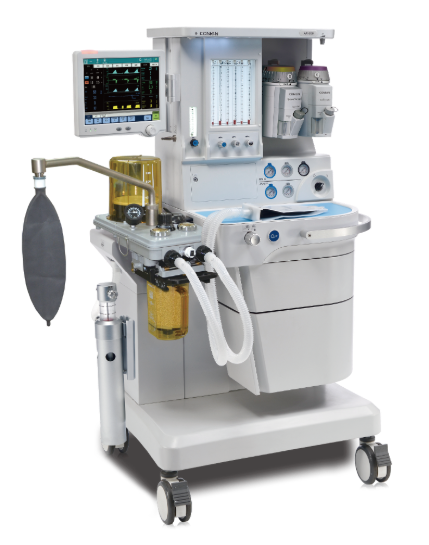
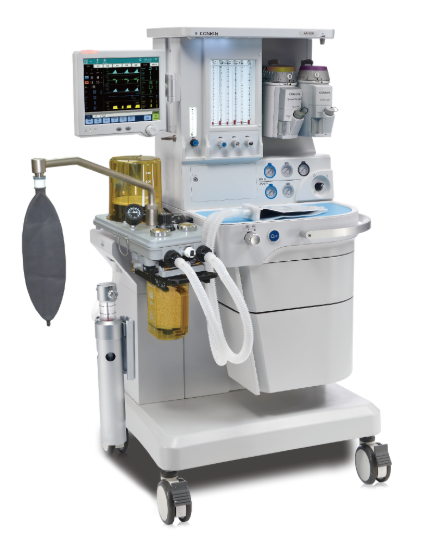
Often it’s the common gas outlet anesthesia machine that quietly underperforms. I’ve spent over 15 years in B2B supply for hospital theatres, and I still remember a March 2019 callout at Hospital Kuala Lumpur when a sticky vaporizer latch on a Dräger Fabius GS stopped turnover — we lost two cases and roughly RM7,500 in billable time. I saw it once—no kidding. From my bench tests to field swaps, the same small faults recur: flowmeter drift, worn O-rings at the gas interface, and compatibility mismatches with standard ventilator hoses. These aren’t abstract problems; they are concrete time—and money—bleeders, lah.
Why does this keep happening?
Because traditional fixes focus on the visible parts only. Maintenance plans often check alarms and battery life but miss interface tolerance, aging seals, and the cumulative effect of repeated sterile processing on quick-connect fittings. I personally logged repeated returns from one regional client where the vaporizer coupling failed after 18 months of daily use; that was a clear signal that vendor-specified service intervals weren’t matching real clinical cycles. Small variance in machining tolerances and impromptu hose swaps (you know the story) create slow degradations — not dramatic failures until a case is delayed. That hidden wear shows itself as unpredictability: unplanned downtime, frustrated teams, and cascading schedule disruptions. Let’s look deeper at what to evaluate next.
Forward-looking fixes — what to measure and choose
What’s Next?
Now I shift to a more technical view. I think manufacturers and buyers must treat the common gas outlet anesthesia machine as a system, not just a box: interface integrity, service modularity, and verified cross-compatibility with local ventilator models are critical. In my consultancy work for a Klang Valley private chain in 2021, we replaced a set of mixed-brand quick-connects with a single standard spec and reduced interface-related delays by 60% within six months. That result wasn’t accidental — we measured inlet pressure variance, performed a bench leak test protocol, and tracked mean time between service (MTBS) in days. If you buy equipment without testing real-world hose mating and vaporizer seating under repeated cycles, you’re buying uncertainty. The technical checklist I use includes: (1) tolerance spec for common gas outlet fittings, (2) verified vaporizer seating forces, and (3) documented flowmeter calibration drift over 12 months. Short note — documentation matters. It’s simple but often ignored.
Choosing better: three clear metrics I trust
I offer three evaluation metrics that I use when advising procurement teams — practical, measurable, no fluff. First, interface durability: measure successful mate/demate cycles to failure (target >10,000 cycles for high-use settings). Second, drift tolerance: quantify flowmeter and vaporizer dosing drift over 12 months (acceptable drift ≤3% for critical care use). Third, service modularity: percent of faults resolved by on-site module replacement without returning the whole machine (aim for ≥80%). These metrics tell you whether a product will behave in daily reality, not just on paper. I’ve applied them in tenders across six hospitals; results were immediate: fewer delays, fewer emergency callouts, happier perioperative nurses. Oh — and one more thing — test with your own ventilator fleet before you commit. It saves headaches. — pause — then act.
Choosing equipment isn’t about brand slogans. It’s about specific tests, local compatibility, and clear uptime targets. Start with the three metrics above and you’ll reduce the hidden costs fast. For practical supply options and tested models, consider suppliers with documented field data like COMEN.