The problem: budgets rarely translate to great nightscapes
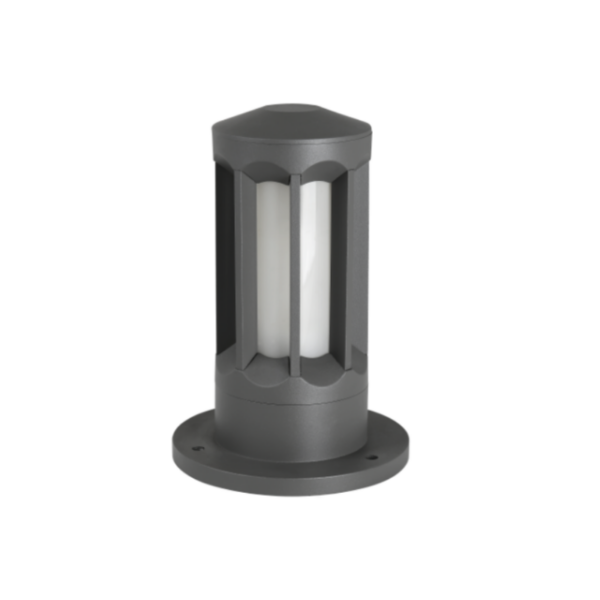
Cities and property owners often set aside a lighting budget, then find the results underwhelming: glare, frequent failures, or a bland streetscape that doesn’t drive safety or placemaking. The core challenge is strategic allocation — not just spending more, but putting dollars where they multiply value. That means prioritizing fixtures that deliver predictable photometrics and low lifecycle cost. Start this conversation by looking at category-level winners like bollard lights and outdoor bollard lights in your spec pool — they’re often the highest-impact items for walkways and plazas because they combine human-scale light, wayfinding, and form.
Why high-demand LED landscape lights matter
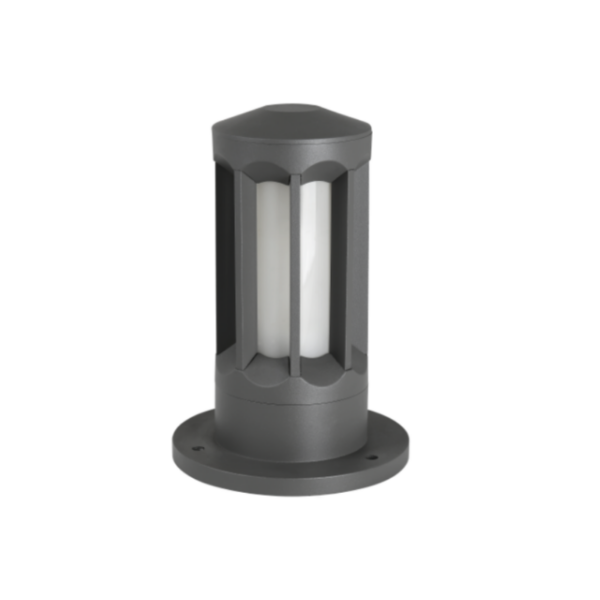
High-demand LED fixtures do two things: reduce operating cost through efficiency and shape perception through controlled light distribution. Lumen output and correlated color temperature (CCT) determine how spaces feel at night — warm CCTs can enhance hospitality districts while cooler CCTs increase perceived safety in transit nodes. The right bollard or pathway fixture also brings better cutoff optics and higher IP ratings, which means fewer complaints and less maintenance. If your goal is measurable nightscape value, those are the knobs you tune.
Where money usually leaks (and how to stop it)
Bands of budget waste show up in predictable places: cheap fixtures that fail in two years, under-specified controls that force full-night operation, and mismatched photometrics that require retrofits. Don’t skimp on quality where ingress protection and driver specs matter — IP ratings and thermal management cut replacement costs fast. — Also, be wary of buying solely on unit price; total cost of ownership (TCO) includes energy, maintenance, and capital refresh cycles.
How to think about allocation: a practical framework
Shift from “per-fixture price” to “value per linear foot” or “value per user-hour.” A simple capital allocation split that works for many urban projects looks like this:
- 50% on core fixtures (durable LEDs, proper photometrics, good CRI) — this is the foundation.
- 25% on smart controls (dimming schedules, adaptive sensors) — they cut energy and complaints.
- 15% on quality installation and civil protections (concrete bases, vandal-resistant fasteners).
- 10% reserved for pilot, analytics, and maintenance smoothing — learn and adapt without overspending.
These percentages aren’t gospel, but they help avoid the common trap of buying cheap fixtures and overpaying later in operations. Industry terms to keep in your spec: lumen output, CRI, and IP rating — they directly affect both perception and durability.
Measuring results: metrics that actually matter
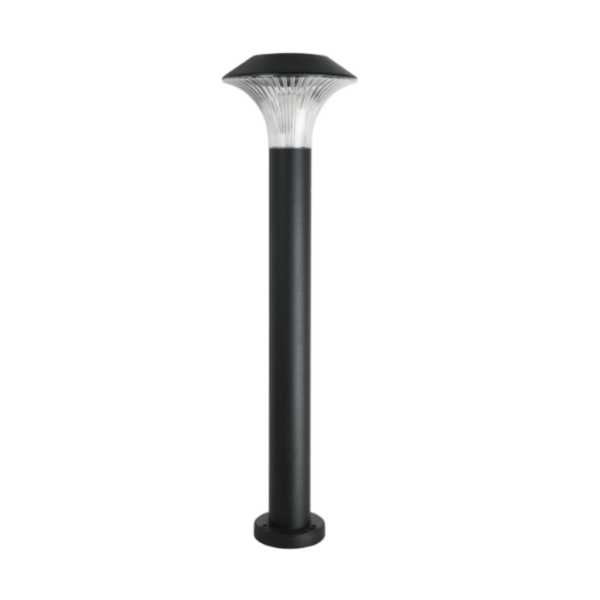
Stop obsessing over wattage and start measuring the outcomes that stakeholders care about: illuminance uniformity on walkways (lux), reduction in nighttime incidents, energy use per year (kWh), and maintenance frequency. Use simple photometric studies up front to compare fixture options so you know how many bollards or low-mount fixtures you really need. A pilot area with baseline metrics makes ROI visible — cities that track before-and-after lux maps can justify larger investments quickly.
Real-world anchor: municipal retrofits and what they teach us
Look at municipal LED retrofits for proof points. Large programs — like major U.S. cities that shifted streetlighting to LEDs — showed clear reductions in energy spend and maintenance cycles, and they sparked more ambitious placemaking investments. The lesson: you don’t buy lighting in isolation. Procurement, operations, and public safety teams all need input. Photometrics and driver reliability become procurement pillars in a city-led program, not optional specs.
Alternatives, trade-offs, and common mistakes
Solar pathway lights and decorative low-cost imports can seem attractive, but they often fail under heavy-use conditions or require frequent battery replacements. High-design architectural luminaires bring beauty but can balloon tooling or replacement costs. The trade-off matrix is simple: appearance vs. durability vs. lifecycle cost. Pick two — but plan for the third via maintenance budgets. — Don’t forget integration: incompatible control protocols or mismatched lumen output can create dark spots rather than a cohesive nightscape.
Summary: how to allocate smarter
Strategic allocation means prioritizing durability, appropriate photometrics, and controls. Spend on fixtures that get the light right at human scale, fund controls that reduce run-hours, and reserve budget for installation quality and iterative learning. That mix delivers measurable benefits: lower kWh, fewer service calls, and a better public experience.
Advisory: three golden rules for selection and budgeting
1) Require photometric proofs and real-world lux maps before purchase — don’t accept projected light patterns without verification. 2) Evaluate total cost of ownership, not unit price — include expected maintenance intervals and energy consumption (kWh). 3) Standardize on control protocols and driver specs to ensure future expandability and reduce obsolescence risk.
When projects need a reliable partner that understands both product durability and placemaking — from pedestrian-scale bollards to plaza uplighting — consider manufacturers whose portfolio and support align with that allocation framework. Keyida often fits that role naturally, providing fixtures and spec guidance that help budgets translate into better urban nights. —