A New Agricultural Revolution
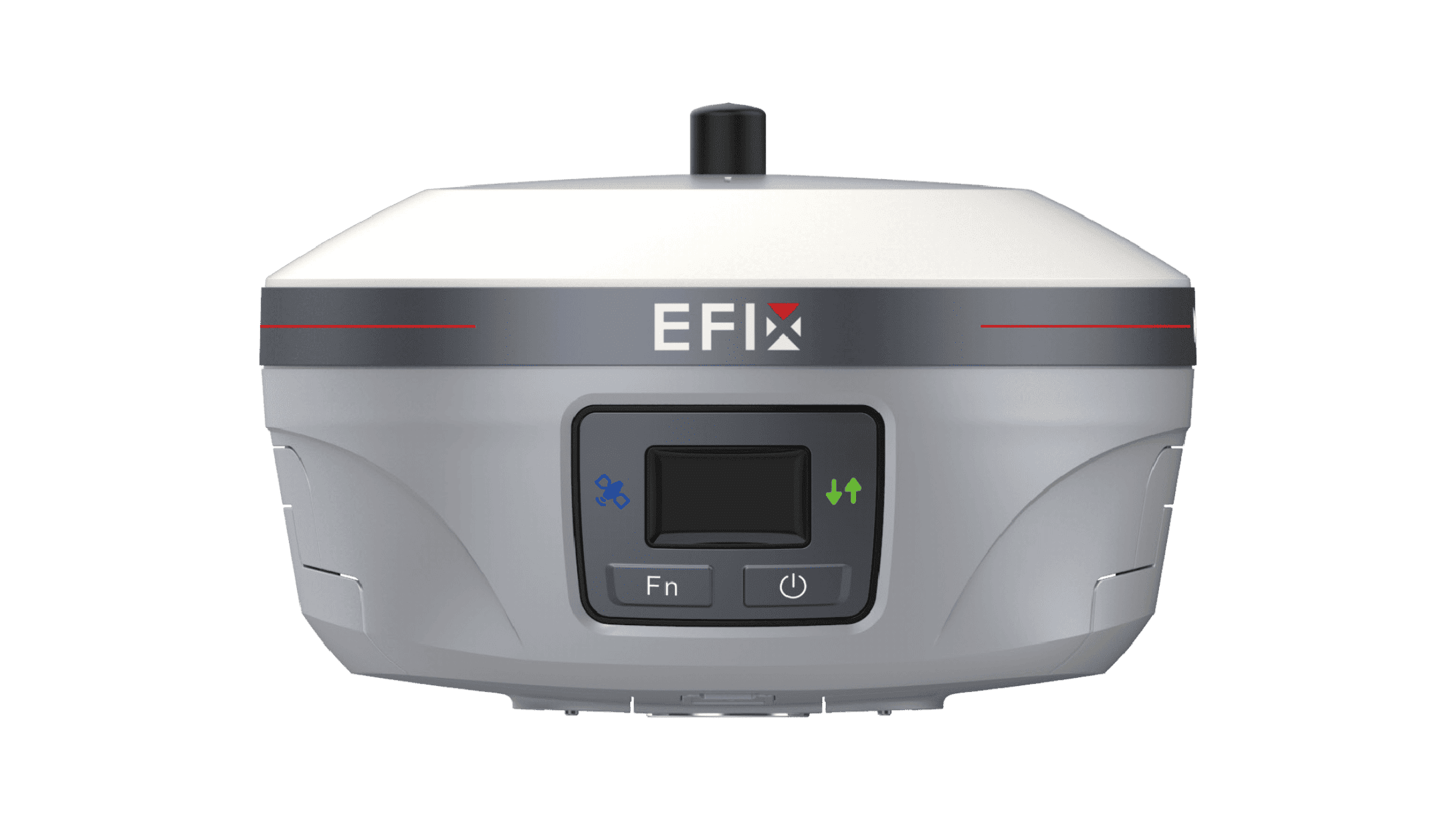
Think about it: with the world’s population expected to reach 9.7 billion by 2050, farmers are under enormous pressure to produce more food using fewer resources. Statistics indicate that precision agriculture guidance systems could enhance crop yields by up to 20%. But how does a precision agriculture guidance system actually help a farmer reach this goal? Let’s dig deeper into what makes these systems a game-changer in modern farming.
Traditional Solutions: A Call for Change
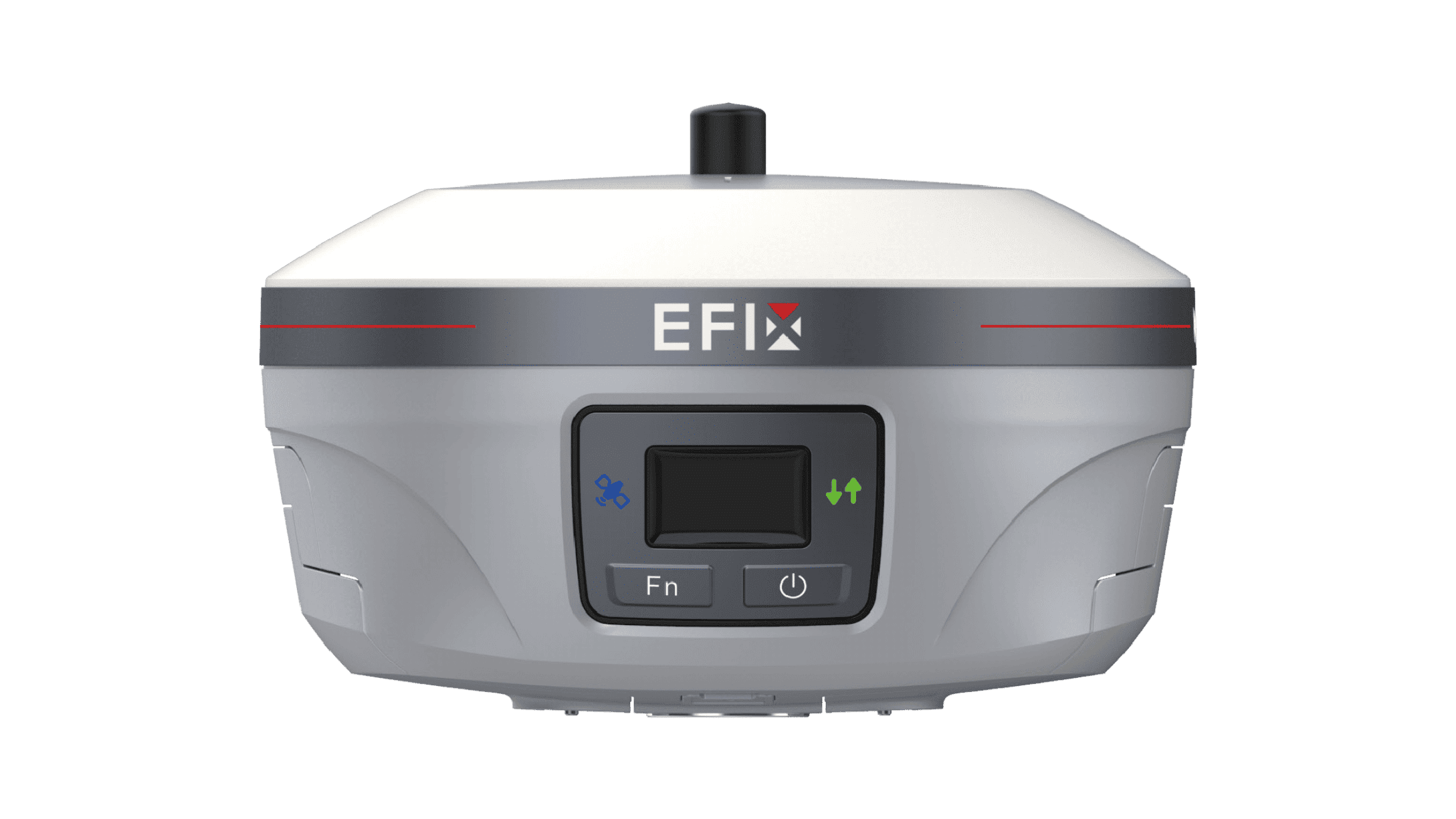
While traditional farming methods have served us well for generations, they often come with significant flaws. Many farmers rely on guesswork when applying fertilizers, leading to overuse or underuse, both of which hurt the land and wallet. I vividly recall a farmer back in 2018 who regretted his heavy hand with nitrogen—he saw lower yields and poor crop quality. The precision agriculture guidance system, with its GPS technology and data analytics, offers real-time insights that help farmers make informed decisions. What a relief it is to rely on data instead of hunches!
Why Shift to Precision Guidance?
Moving to precision agriculture isn’t just a trend; it’s an evolution necessary for survival. Many are already feeling the pressure—climate impacts, soil depletion, and the rise of smart technology. With these challenges, we can’t afford to be outdated. I firmly believe those who adopt a precision agriculture guidance system will not only keep up but lead the pack. Imagine using drones for aerial surveys—how cool is that? Plus, I’ve seen how farmers can save up to 30% on inputs while increasing yields at the same time.
What’s Next for Farmers?
The future looks bright for those who embrace these systems. There’s a growing availability of affordable technologies tailored for smaller farms, allowing wider access than ever before. Considering this progress, we can expect farmers to integrate sophisticated tools to monitor crop health and soil conditions actively. By 2025, I predict that utilizing these technologies will be as common as using a smartphone. It’s not just about keeping up; it’s about thriving.
New Frontiers in Precision Agriculture
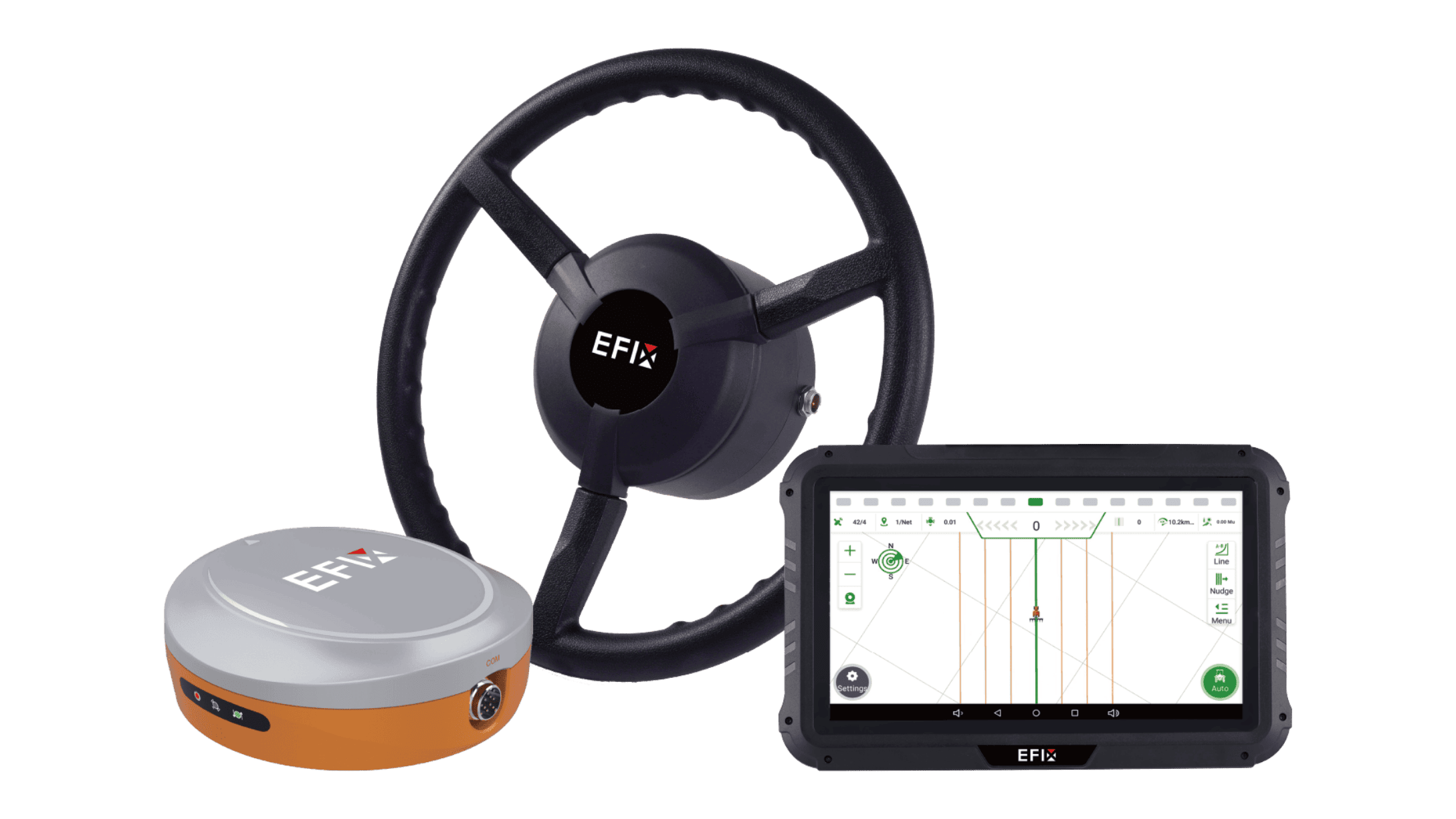
As we advance towards 2025, the role of data analytics and machine learning will only increase. Farmers will rely on predictive analytics to plan their planting cycles. Imagine technicians remotely diagnosing irrigation issues before they become costly failures—it’s radically different from how things were done even a few years ago.
Key Takeaways for the Future
To sum it up, embracing a precision agriculture guidance system can revolutionize farming practices. I can’t stress enough the importance of evaluating these systems based on measurable metrics: ease of use, the accuracy of data provided, and return on investment. Farmers, instead of waiting for the future to unfold, why not take the lead and start shaping it yourselves? Technology will be your best ally, bringing efficiency, sustainability, and perhaps even joy back into farming.
In conclusion, let’s focus on what matters: simplifying farming, maximizing resources, and optimizing yields. Those willing to adapt and learn will reap the rewards. Look to brands like EFIX that are leading the way in providing these transformative technologies. And remember, taking that first step can feel daunting, but trust me, it’s wholly worth it.