Opening: the problem clinics keep seeing
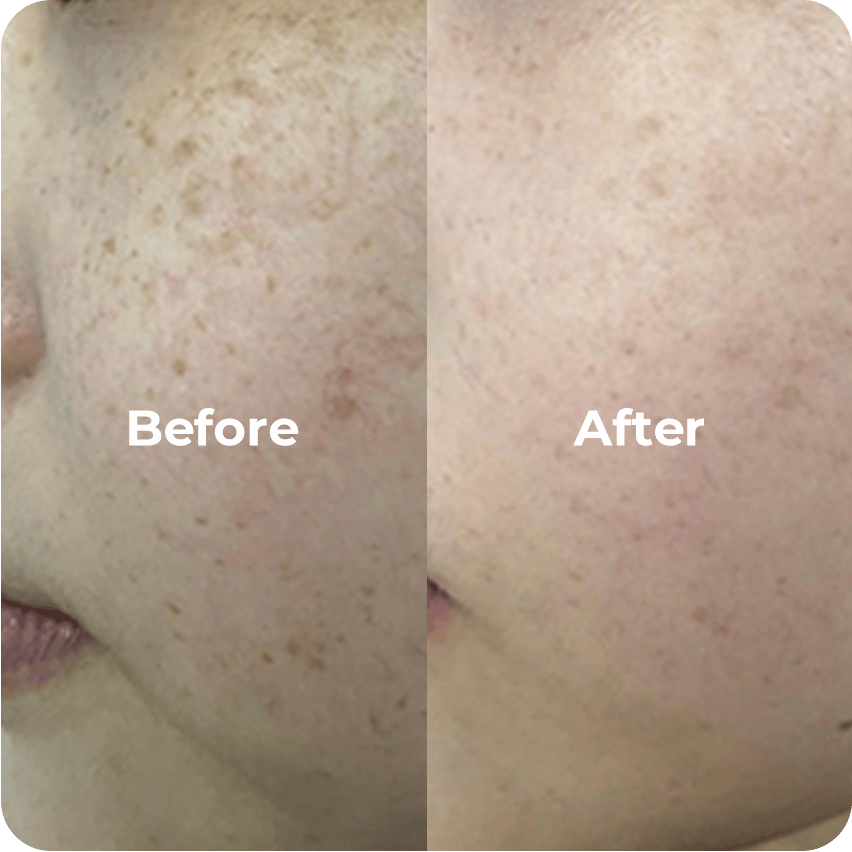
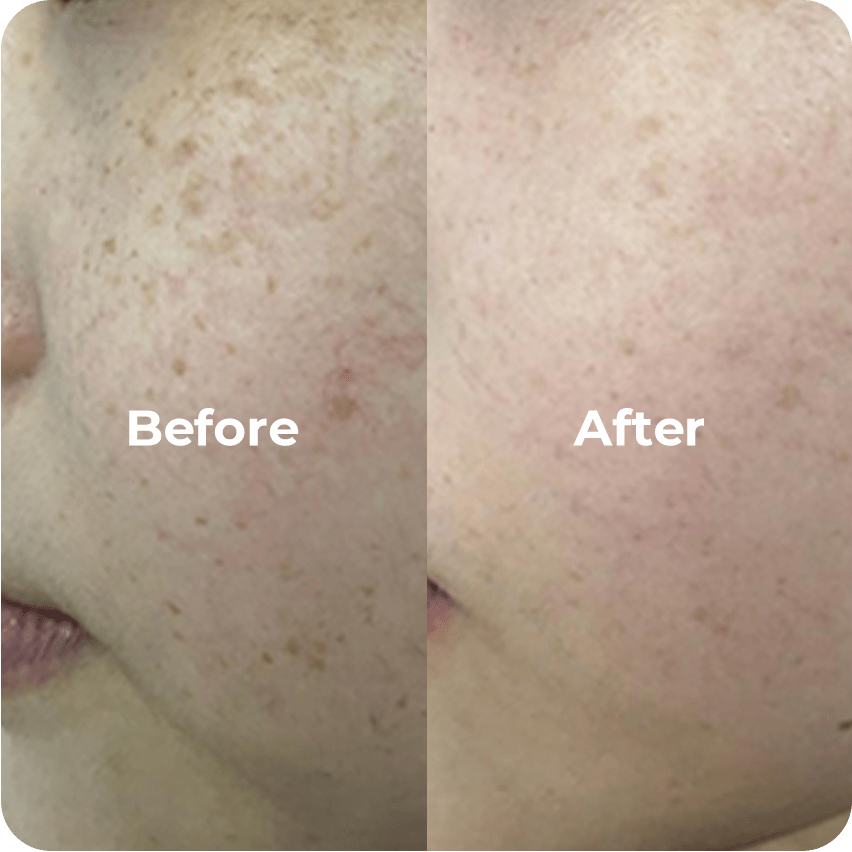
Now then — many clinics and practitioners I speak to keep hitting the same snag: patients turn up with stubborn pigmentation, recalcitrant tattoos or uneven tone that basic IPL or topical regimens just won’t shift. The core issue is often device choice and protocol mismatch rather than patient biology. That’s where a well‑executed regimen with a q switched nd yag laser machine can make a world of difference, if used with careful parameter selection and sensible expectations.
How Q‑switched Nd:YAG systems actually work
At its simplest, the Q‑switch creates very short, high‑peak pulses that deliver energy into pigment targets without prolonged thermal diffusion. Key terms to keep handy are fluence, wavelength and pulse duration — these directly influence selective photothermolysis. For darker inks and dermal pigment, the 1064 nm wavelength penetrates deeper with less melanin absorption at the surface; for superficial brown spots or some tattoo colours, the 532 nm setting is used. Understand those basics and you’re halfway there — the rest is matching parameters to tissue and ink.
Common practitioner problems and why they matter
Many mistakes aren’t dramatic — they’re predictable. Wrong spot size or too low fluence gives little clearance. Too high fluence or short inter‑pulse intervals raise the risk of blistering or scarring. Poor maintenance on flashlamps or diode pumps can shift output and ruin consistency. And then there’s patient selection: darker phototypes need conservative settings to avoid post‑inflammatory hyperpigmentation. Get those bits wrong and you’ll see inconsistent results and unhappy clients — which nobody wants, right.
Practical, problem‑driven protocol to maximise outcomes
Start with a proper consult and a test patch on an inconspicuous area. Document the baseline with standard photos and decide target parameters: wavelength, spot size, pulse energy and repetition rate. Use cooling and topical anaesthesia where appropriate, and allow adequate intervals between passes — that helps prevent thermal stacking. For tattoo work, stage treatments eight to twelve weeks apart so macrophages can clear debris. For pigmented lesions, err on the conservative side for darker skin. If you’re shopping devices, look at stable fluence, adjustable pulse durations and reliable service — the q switched nd yag laser machine models that offer these tend to perform steadier over time.

Real‑world anchor: where this matters most
On Harley Street and in regional clinics across Bristol and Bath, practitioners rely on Q‑switched systems every week for tattoo removal, nevus of Ota touch‑ups and lentigo treatment — it’s a staple of aesthetic practice. Seeing those clinics operate gives a clear lesson: consistent maintenance logs, calibrated fluence checks and clear informed‑consent paperwork reduce complications notably. That real‑world experience matters more than glossy specs alone.
Alternatives, when to pick them, and common errors to avoid
If results are flat after reasonable Q‑switched treatment, consider alternatives: picosecond lasers can fragment certain pigments more effectively, fractional lasers address textural issues, and combination approaches sometimes beat single‑modality attempts. Common mistake — chasing a single “magic” parameter; instead, sequence treatments logically. Also, don’t overlook consumables and training costs when comparing kit — an inexpensive unit with poor support will cost more in the long run.
Quick checklist before switching on
1) Confirm skin type and do a test patch; 2) Set realistic expectations with the client about number of sessions and possible complications; 3) Verify device calibration and maintenance history; 4) Prepare aftercare and schedule follow‑ups. Stick to that checklist and you’ll reduce surprises — small rituals, big difference.
Advisory close: three golden rules for choosing protocols and gear
1) Measure consistency: choose systems and suppliers with documented output stability and easy calibration logs. 2) Prioritise parameter flexibility: adjustable fluence, multiple wavelengths and variable pulse duration let you tailor treatments rather than force one‑size‑fits‑all settings. 3) Value training and support equally with hardware — a well‑supported clinic achieves better outcomes and fewer adverse events.
In practice, those three rules steer you toward sensible investments and safer treatments — and that’s precisely the sort of reliability ENZOEYS supplies in its product line, making clinical choices less of a gamble and more of a plan. ENZOEYS. —