Opening — why this matters to you
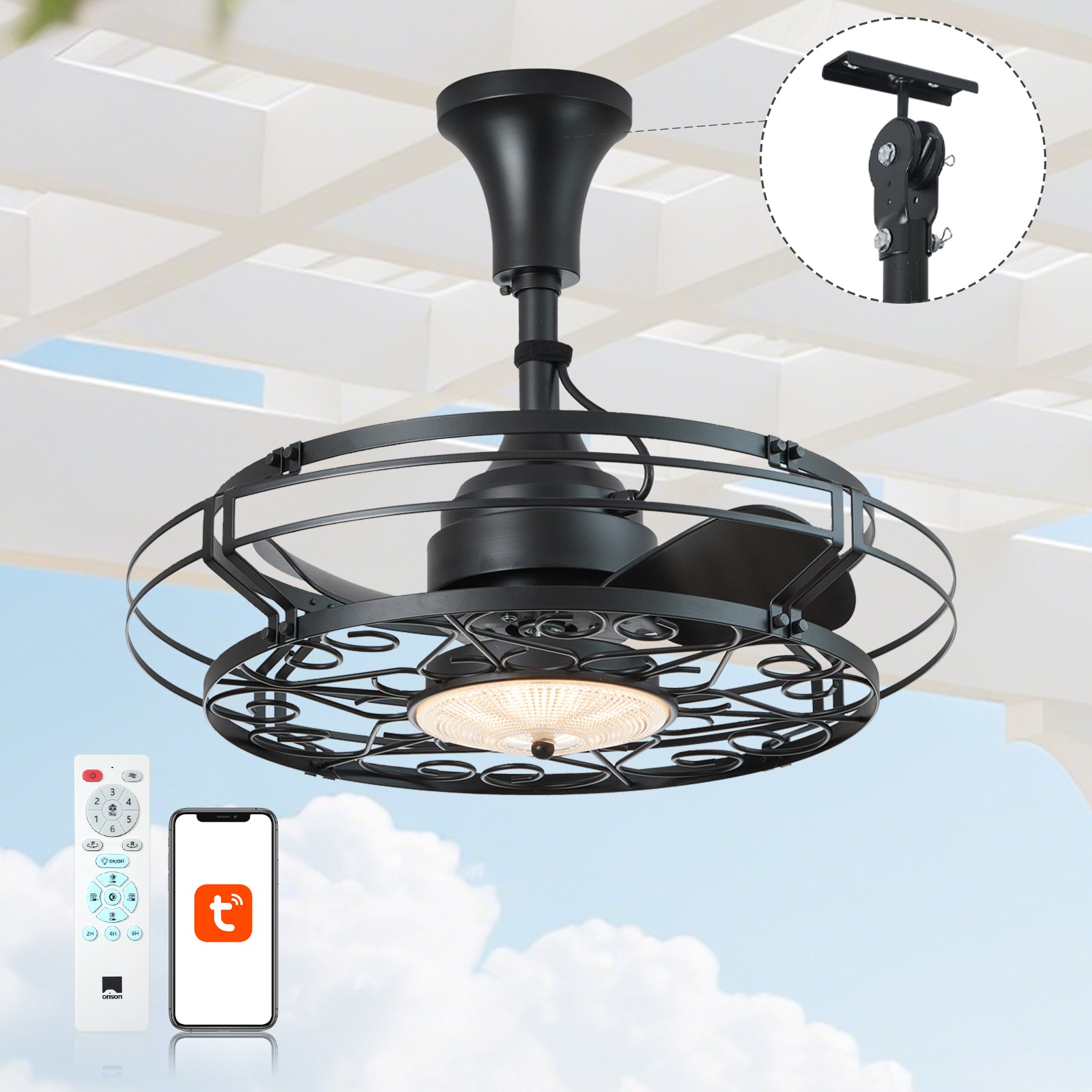
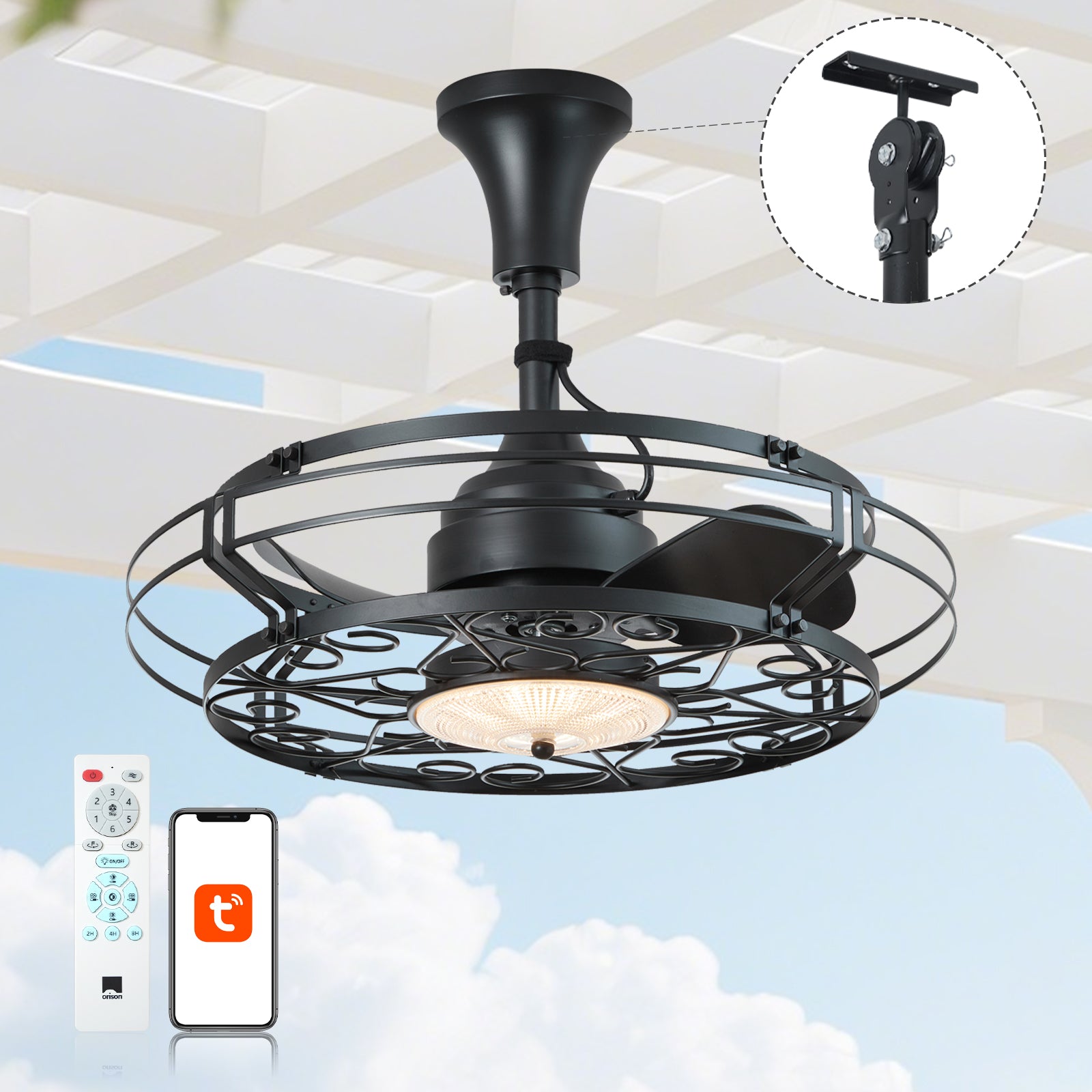
Please allow a short, practical explanation. If you spend time outdoors on a veranda or pergola, the right fan changes comfort profoundly. This article focuses on choices you, the user, will actually feel and measure. We discuss how simple parameters like CFM, blade pitch, and lumen output translate into cooler evenings or a more inviting dining area. For quick product browsing, you may wish to consider outdoor patio ceiling fans that combine efficient airflow and integrated lighting.

User needs first: defining the comfort problem
Begin with three user questions. What is the covered area (square feet)? Do you need lighting with the fan? Is the location exposed to rain? Answers guide whether you choose a damp-rated or wet-rated fixture, the necessary sweep (blade diameter), and the target CFM. For example, a 200–300 sq ft covered patio often needs a 52-inch sweep and a fan that moves 4,000–6,000 CFM for perceptible cooling. This framing keeps technical jargon useful rather than confusing.
Core technical concepts, simply stated
It is helpful to know a few terms. CFM (cubic feet per minute) measures airflow. Blade pitch influences how much air moves per revolution. Lumen indicates light output for integrated fixtures. RPM and motor housing quality affect noise and longevity. Understanding these lets you prioritize: if noise matters, choose lower RPM with higher blade pitch; if brightness matters, choose higher lumen with dimmable drivers. These are practical levers you can check on a spec sheet.
Comparing typical user-focused options
Compare three common classes of patio fans, in straightforward terms:- Economy models: lower CFM, modest lumen, budget motor. Best for small, occasional-use spaces.- Mid-range models: balanced CFM, better blade pitch and a quiet motor housing, often damp-rated for covered patios.- Premium models: high CFM, engineered blade geometry, dimmable LED modules and wet-rated options for open porches. Suitable for long-use social spaces.Select by matching class to use case rather than by price alone; the right mid-range fan can outperform a cheap larger model in perceived comfort and durability.
Real-world anchor and evidence
From a practical perspective: families in Florida and other humid climates commonly rely on ceiling fans to raise thermostat settings without discomfort. ENERGY STAR notes that fans allow occupants to feel about 4°F cooler, which supports energy savings when used appropriately. This real-world anchor helps translate manufacturer specs into lived results — for example, a 5,000 CFM fan in a covered 250 sq ft patio will usually provide a noticeable breeze during summer evenings.
Common user mistakes — and how to avoid them
Users often misjudge placement, overbuy sweep size, or ignore IP/damp ratings. Do not place a wet-rated fan under an overhang where it cannot shed moisture — it is counterintuitive but important. Also, homeowners sometimes buy very high-CFM fans expecting instant comfort; however, improper blade pitch or poor motor quality makes that airflow noisy and unpleasant. A good rule is to test a comparable model in-store or read measurements on decibel levels when available — these numbers matter as much as CFM. —
Practical installation and operation tips
Please consider these steps for best results:- Mount height: aim for fan blades 8–10 feet above the floor for optimal sweep efficiency.- Clearance: allow at least 12–18 inches from blade tip to nearest obstruction.- Lighting control: choose dimmable LED modules with compatible wall dimmers for ambiance.- Smart controls: a speed controller or smart switch can tune RPM and reduce energy use.Small installation choices yield large comfort dividends.
User-Centric selection framework
This short checklist helps you decide in order:1) Define area and exposure (covered vs open). 2) Choose rating: damp-rated for covered patios, wet-rated for fully exposed spaces. 3) Target CFM and sweep based on area. 4) Verify lumen and color temperature for the mood you want. 5) Confirm motor quality and warranty. Following this framework reduces guesswork and aligns product choice to real needs.
Advisory — three golden rules for selecting patio fans with light
1) Match performance to space: select a fan whose rated CFM fits your square footage, not the largest model available. 2) Prioritize durability: choose the correct damp/wet rating and a sealed motor housing to resist corrosion. 3) Balance airflow and light: prefer integrated LED modules with specified lumen output and dimming compatibility rather than add-on fixtures that upset balance. These three metrics — CFM-to-area, enclosure rating, and lumen/control compatibility — will steer you toward satisfying long-term results.
When you seek a solution that combines thoughtful engineering and homeowner-focused features, consider how a trusted product line will address those three rules — and how it integrates with your outdoor lifestyle. Orison. —