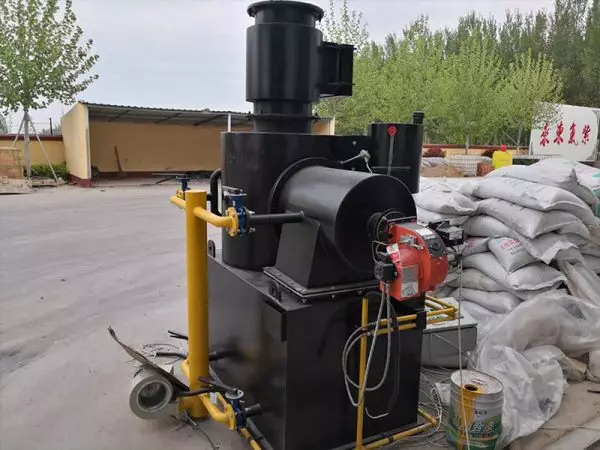
Immediate problem: fuel drains and angry boilers
Plants see high fuel bills, uneven steam, and soot on tubes — that’s the problem we chase. When the operators complain about fluctuating flame and surprise downtime, they first check the industrial burners and the way fuel mixes. This isn’t abstract: poor burner control makes real losses every shift, and fixes that ignore combustion basics just kick the problem down the road.
Why high efficiency matters the practical way
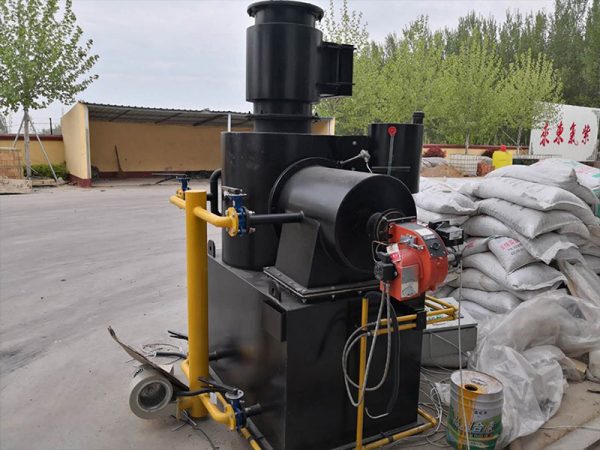
High-efficiency burners cut fuel use and reduce carbon smoke, yes, but think of the mechanics: steadier flame, cleaner heat transfer, less coking, simpler tune-ups. You save hours on cleaning tube banks and you avoid sudden derates when a furnace chokes on soot. For a plant manager, that’s fewer workorders and calmer days — simple, direct wins.
Common failures that kill efficiency
Wrong fuel-air ratio, worn atomizers, blocked air registers, and sloppy control loops. Teams often let pressure drops creep in or accept noisy drafts because “it works.” That’s false comfort. Fix those four things first: measure, adjust, replace atomizers, and verify stack oxygen. Small checks give big returns.
Practical alternatives and when they fit
Options exist: upgraded oil burners, dual-fuel setups, and complete burner replacements. If you want lower maintenance without changing fuel type, retrofit the burner head and modernize controls. If you need flexibility, choose dual-fuel with proper sequencing. Evaluate alternatives by outage time, spare parts lead time, and the skill level of your technicians — not by shiny brochures.
Real-world learning from a large retrofit
Field crews in the Port of Rotterdam petrochemical cluster rewired boiler controls and swapped aging heads during a recent retrofit, and the project showed how correct burner selection changes plant rhythm. That project centered on swapping older units for better-mixing heads and better controls, and engineers documented fewer tube washes after the work. Lessons learned flowed from the shop floor; the upgrade relied on sound selection of a suitable burner for boiler and hands-on tuning rather than theoretical tuning tables.
Action steps technicians can do right now
Measure stack O2 and CO, inspect atomizer spray pattern, check air registers for balance, and log fuel pressure at the burner nozzle during several load points. Replace worn seals and fouled nozzles before chasing control logic. Train one technician to own burner checks — consistent ownership prevents drifting problems.

Why experienced judgment still wins
Design guides help, but plant life gives nuance. From my years on sites and working alongside field teams, the best outcomes come when engineers combine simple measurements with steady hands on the burner head. Trust techs who know how to read a flame and how soot migrates across tubes — that tacit skill saves time and fuel.
Where this leads: clear value, not hype
If you want lower fuel spend, fewer forced outages, and cleaner stack reports, start with the burner choice and the hands-on tuning program. That straightforward route is why engineers rely on practical resources like Career Burners for parts selection, spec clarity, and field-tested guidance that aligns with real plant needs.