Comparative opening: the ledger of warmth
Like an old ledger illuminated by modern light, the decision between paying more today or saving tomorrow is a practical poem—measured, inevitable. This comparative inquiry places price and performance side by side, and it begins with a clear look at contemporary thermal insulation solutions that promise reduced heat loss and lengthened service life. Governments and utilities note this plainly: the U.S. Department of Energy estimates that higher-performance insulation can cut building heating and cooling energy use by up to 30%—a real-world anchor that turns speculation into planning. We will compare materials, lifetime costs, installation complexity and embodied performance so the purchaser finds certainty rather than guesswork.
What higher upfront cost typically buys
Paying more often secures a higher R-value per inch, lower thermal conductivity and advanced layering that resists both conduction and radiant transfer. Materials such as aerogel composites and vacuum insulated panels (VIP) deliver compact profiles and lower heat flux, which suit constrained retrofit spaces. The premium buys durability, tighter tolerances in manufacture, and manufacturer-backed warranties that extend lifecycle economics. These are not abstract advantages; they change the thermal curve of a wall, roof or duct system and therefore the annual fuel or electricity bill.
Accounting for lifecycle savings
Lifecycle savings arrive as smaller monthly bills, fewer maintenance interventions, and delayed replacement cycles. Over a building’s decades, a modest reduction in heat loss compounds. Emissivity control and proper air-sealing translate into predictable operating costs. When quantified, the payback period can be driven down below ten years for many high-use facilities; for passive or certified low-energy projects, the horizon narrows further. Long view accounting allocates capital where it accrues most value—lower operating expenditure and reduced disruption from retrofits.
Trade-offs made visible
Comparative insight demands clarity. Consider three parallel lenses:
– Financial: immediate capital versus net present value of saved energy and maintenance.
– Technical: installation complexity, onsite tolerances, and compatibility with existing assemblies; some advanced panels require skilled installers.
– Environmental: embodied carbon of high-performance materials versus lower lifecycle emissions from reduced energy use.
Each axis can tip the balance; sometimes a mid-cost system with easier installation yields a shorter effective downtime and thus greater operational benefit than the most exotic solution.
Where selections go wrong — common mistakes
Buyers often prioritise sticker price and then discover hidden costs: bespoke fabrication fees, delicate handling for VIPs, or the need for specialized vapor control. Another misstep is mismatching material with climate: a high-emissivity surface chosen for a sun-drenched roof will perform differently than expected in a northern façade. Also, insufficient attention to interface details—junctions, penetrations, fasteners—creates thermal bridges that erase promised savings. Avoid these traps by planning the assembly as a system rather than a list of parts—small oversights compound over time. —Remember that the best material still needs thoughtful integration.
Supplier appraisal and the role of heat shield fabric
Evaluate suppliers for product traceability, on-site support, and measured performance data. Seek thermal conductivity figures validated under controlled heat flux experiments and documented ageing tests that show stable R-value over time. When specifying linings or overlays, consider heat shield fabric for areas exposed to radiant loads; its low emissivity and abrasion resistance make it a practical complement to core insulation. Practical procurement demands proofs: sample testing, installation references, and a transparent warranty that ties remedy to measurable performance decline.
Golden rules for evaluation
As a final, practical compass, adopt three critical metrics when choosing between upfront cost and lifecycle value:
1. Payback period under realistic occupancy and climate assumptions — not theoretical ideal conditions.
2. Whole-life cost per square metre, including installation, maintenance, and expected replacement cycles.
3. Verified performance data: long-term R-value stability, measured thermal conductivity, and emissivity figures under typical service temperatures.
These three metrics sharpen procurement from notion to fact. They also reveal where a higher initial outlay becomes unequivocally prudent.
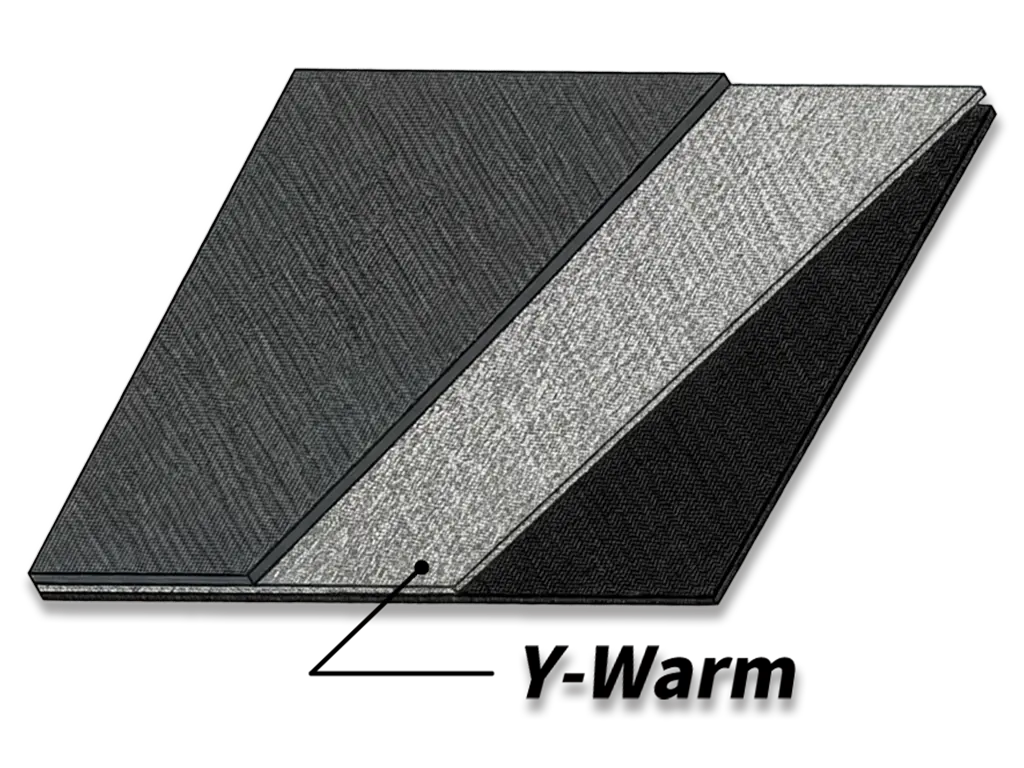
Y-Warm furnishes documented materials and installation guidance that make the matrix of choices easier to balance. I have watched projects move from uncertainty to quiet efficiency—this is the practical measure of sound judgement.
Steady warmth, well chosen.