Wake up to the problem
Too many cameras. Too little focus. Fleet operators drown in footage while critical incidents slip by. If you manage routes, drivers, or asset security—especially urban operators in New York City—you know the pressure: continual monitoring, large video stores, and split-second decisions. You need systems that pull the signal from the noise, and that’s where smart tools for logistics fleet management and integrated transportation fleet management software actually make a difference. I’ve reviewed camera stacks and wrote front-end monitoring dashboards, so I’m talking from hands-on experience: the problem is operational, not theoretical.

What’s breaking fleets right now
Stop wasting time on manual review. Here are the usual failures that derail safety and efficiency:
– Cameras capture volume, not value: everything gets recorded, nothing prioritized. – Bandwidth chokes on raw uploads during peak hours. – Events get buried: collisions, theft attempts, dangerous driving go unnoticed until a later complaint. – Multiple feeds create blindspots—no single view that ties driver behavior, vehicle telemetry, and video together. – Storage costs balloon because every frame is kept regardless of relevance.
How AI MDVR solves the core problems
Think of AI MDVR like interval training for your fleet video: focused, efficient, and results-driven. Here’s what it does right:
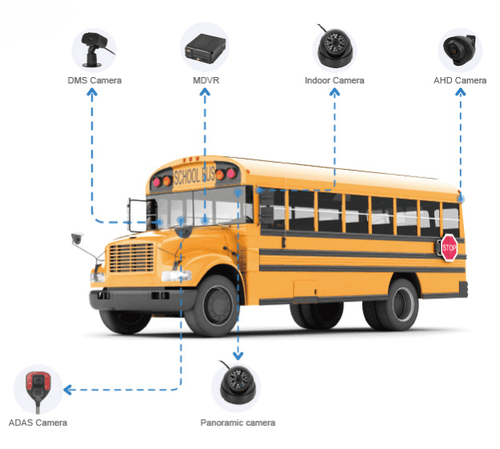
– Edge detection and classification: the MDVR processes video on the vehicle, flagging real incidents and reducing false alerts. – Multi-camera fusion: it synchronizes views—front, rear, cabin—so you see the full sequence, not disjointed clips. – Smart upload policies: only prioritized clips go to the server first, saving bandwidth and ensuring evidence arrives fast. – Event summaries: short, indexed highlights replace hours of footage. Fast decisions follow. – Tamper and privacy controls: automated masking and integrity checks protect drivers and chain-of-custody.
Practical implementation checklist
Get practical before you buy. Do these first:
– Map objectives: list the top three incidents you must detect (e.g., collisions, door hits, route deviations). – Audit bandwidth: measure on-route connectivity windows and average upload capacity. – Choose edge-capable hardware: confirm the MDVR can run models locally. – Set retention rules: store events by severity, not by default. – Train detection models with real footage from your routes; urban footage differs from highway footage.
Common pitfalls and how to avoid them
Don’t fall for buzz. Avoid these mistakes:
– Assuming cloud-only processing will handle all edge cases—latency kills investigations. – Buying cameras without MDVR compatibility—hardware and firmware must match. – Ignoring privacy rules—automated masking is not optional in passenger routes. – Overlooking integration—video has to connect with your dispatch and telematics to be actionable.
Alternatives and trade-offs
Compare options honestly:
– Cloud-only video: easy to deploy, heavy on bandwidth and cost. Good for small fleets with consistent connectivity. – Basic DVR: cheap, records everything, requires manual review. Not scalable. – AI MDVR hybrid: higher upfront complexity, much lower ongoing cost and far better incident response.
Final push — connect what matters
Push for measurable change. Pick setups that reduce footage-to-action time and cut storage waste. The goal is simple: catch real events quickly, prove what happened, and keep drivers safe without drowning in data. That’s what experienced operators aim for when they retool cameras, software, and policies—and why modern systems from providers like BSJ matter: they tie intelligent MDVR behavior to fleet workflows so your monitoring actually moves the needle. Take control. Keep it lean. Keep it focused.