
Introduction
Who knew a single faulty tool changer could stop an entire day’s work? I ask because many of us have watched a job queue stall while waiting for parts. CNC vertical machining center manufacturers are often judged by specs and price, yet real-world uptime tells a different story (ask any shop foreman—he’ll grimace). Recent shop-floor surveys show small shops lose hours weekly to unexpected maintenance, and that loss compounds fast. What should a small shop prioritize when buying a vertical machining center to avoid those losses?

I’ll walk you through concrete issues, not marketing lines. Expect clear definitions, measured examples, and a few frank opinions. Let’s move into the pains that rarely appear on spec sheets and then explore better choices.
Hidden Pain Points: Why Many Small Vertical Milling Machines Fail on the Floor
small vertical milling machine for sale — sounds ideal, right? Yet buyers often miss subtle but crucial problems. I’ve seen machines sold on price alone, and within months spindle speed inconsistencies and sloppy ball screws reveal themselves. These problems aren’t dramatic; they’re slow leaks. They sap precision, increase scrap, and wear out tool changers sooner than expected. Look, it’s simpler than you think: a cheaper servo drives setup may save cash up front but cost you days in lost production later.
What exactly goes wrong?
First, alignment drift. Machines parked for long runs can develop small errors in axis alignment. Second, control latency and G-code handling — older controllers stutter with complex routines. Third, incomplete service support: replacement parts and trained techs are not always local. I’ve stood beside frustrated operators while a part shipped from across the country — that wait translates to missed deadlines and unhappy clients. These are operational aches, not glamorous problems. They hide in tolerances and in maintenance logs. If you’re buying, ask for test-cut samples, service response times, and spare-parts lists. Demand specifics. I expect nothing less when I pick equipment for my shop.
Forward-Looking Choices: New Principles and How to Evaluate Machines
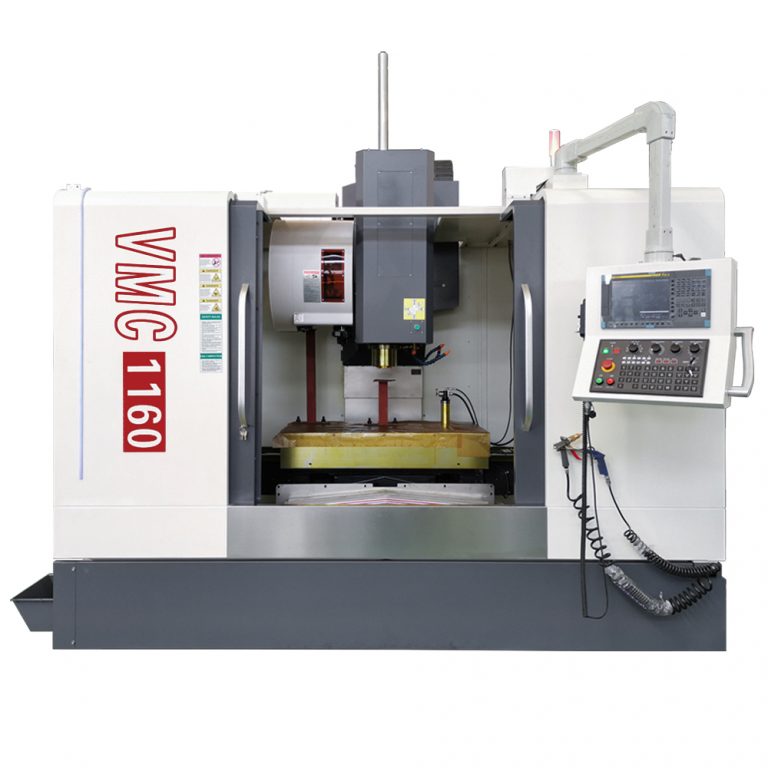
We can shift the conversation from complaints to solutions. The next generation of machines focuses on smarter control and modular maintenance. A modern small cnc vertical machining center that I’d consider integrates adaptive feed control, better thermal compensation, and more robust spindle monitoring. These features reduce scrap and stabilize cycle times. The goal is predictable output — not flashy numbers on a spec sheet. Also, easier access panels and modular tool changers mean faster fixes on the floor — fewer hours lost. — funny how that works, right?
What’s Next: How to pick wisely
Here’s my practical frame: check for high-quality ball screws and backlash specs, verify spindle speed stability under load, and confirm the controller’s ability to handle your typical G-code routines. Ask for case examples from similar shops and test the machine with a part you actually run. In my experience, a short on-site test reveals more than brochures ever will. Consider networked diagnostics too; remote fault logs help your techs and the manufacturer diagnose issues before they become full outages. The right choices lead to steadier shifts and less nightly worry.
Conclusion — Three Metrics I Use When Advising Shops
I’ll leave you with three clear metrics to judge a machine. First: mean time to repair (MTTR) — ask the vendor for real numbers and recent examples. Second: parts availability and local service network — a quick phone call should connect you to a nearby tech. Third: sustained accuracy under load — request test cuts over an extended run. These metrics are practical and measurable. Use them as bargaining chips during purchase talks.
Buying a machining center is part technical choice and part trust. I trust machines that keep my team calm and my clients smiling. For straightforward, dependable options and more technical details, I often point colleagues toward Leichman — they make machines that earn confidence on the floor.