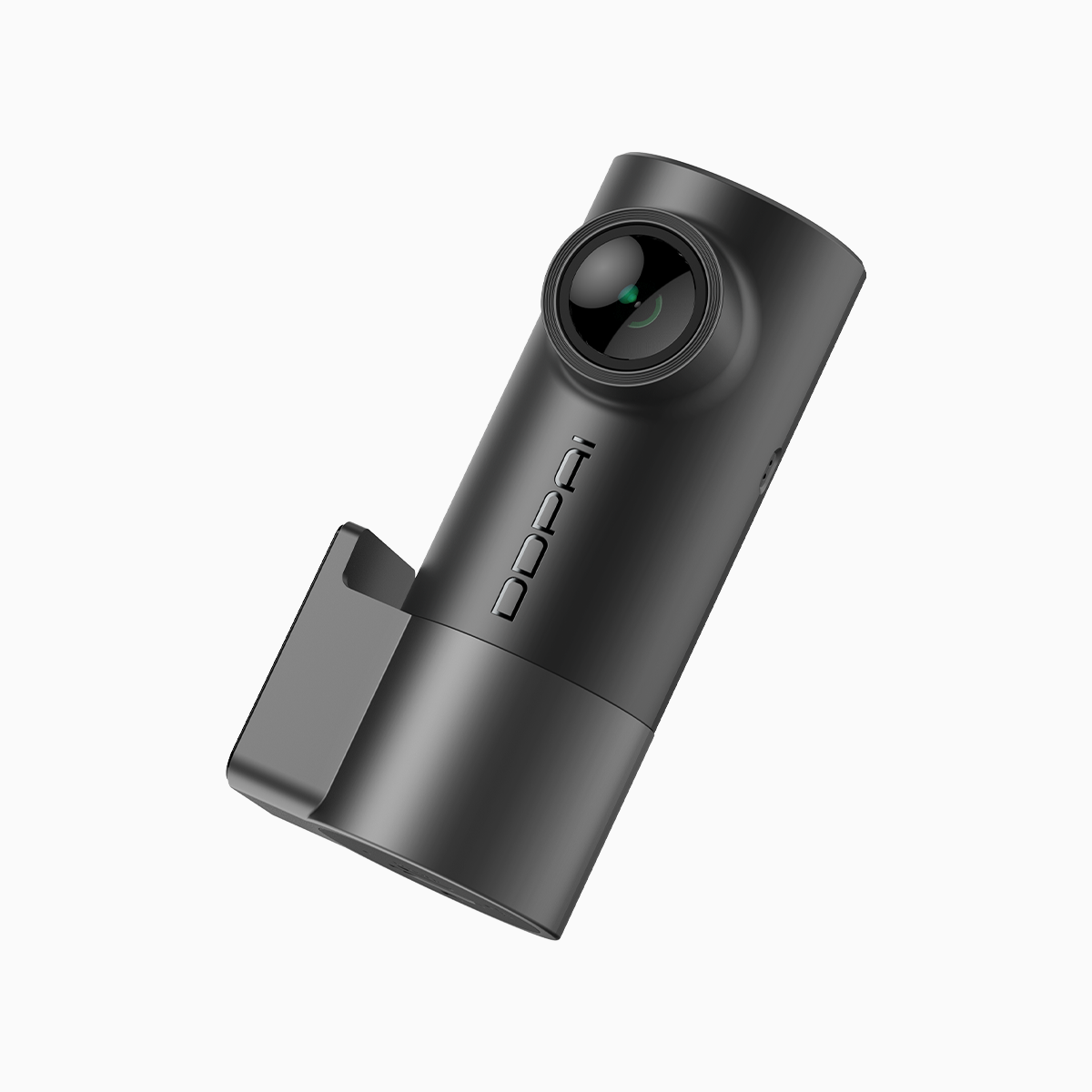
Drivers who hardwire a dash cam face two stubborn constraints: thermal dissipation inside tight housings and the voltage protection limits of a vehicle’s electrical system. These are practical problems in Metro Manila’s hot, stop-and-go traffic as much as they’re engineering ones. A reliable dash cam philippines setup must respect both—or the device will overheat, trip a protection circuit, or drain the battery when you least expect it.
Why thermal dissipation and voltage protection matter
Thermal dissipation governs how fast a dash cam sheds heat produced by its processor and image sensor. If heat builds inside a small enclosure, image quality drops and internal components age faster. Voltage protection refers to how the camera and hardwire kit respond to surges, drops, or reversed polarity. Good voltage protection prevents blown fuses, fried circuits, and battery drain during parking mode. Terms to keep top of mind here are thermal dissipation, voltage protection, and power management.
Common failure modes during hardwired installation
Technicians and DIYers see the same patterns: persistent overheating in direct-sun hotboxes, repeated fuse blows from poor load calculations, or gradual battery depletion because the low-voltage cutoff is set too low. Parking mode can be the worst offender—if a unit draws current continuously without a reliable safety cut-off, the car may not start the next morning. Use fuse tap kits rated for the correct amperage and confirm the hardwired installation supports parking mode without bypassing voltage protection.
Comparing wiring approaches and components
There are three common approaches: using the cigarette lighter adapter, a hardwire kit tied to the fuse box, or a professional install that includes inline circuitry. Cigarette adapters are simple but unreliable for parking mode and offer little in the way of voltage protection. Basic hardwire kits provide a clean look and better power management but depend on correct fuse selection and a competent low-voltage cutoff. Professional installs add inline fuses, relays, or capacitors to aid thermal dissipation and stabilize voltage under surge—worth it for drivers who need 24/7 recording. For anyone comparing options, consider device-rated current draw, presence of a low-voltage cutoff, and whether the kit includes surge protection. Also look for models with tested heat management—search for a quality dash cam philippines spec sheet when evaluating units.
Practical checklist for a safe hardwired dash cam setup
– Choose a dash cam with documented thermal ratings and a low-voltage cutoff matched to your battery type. – Match the hardwire kit fuse rating to the camera’s peak current draw; never oversize the fuse. – Place the recorder where airflow reduces heat build-up; avoid tight plastic pockets exposed to direct sunlight. – Use an inline voltage protection device or relay for parking mode to prevent parasitic drain. – Test the installation over several days: measure idle draw with a multimeter and verify the car starts after 24–48 hours of parking. These steps address thermal dissipation, voltage protection, and hardwired installation best practices in one list—practical, measurable, and repeatable.
There’s a tradeoff between convenience and protection—cheap kits save money now but can cost more in repairs later. —A careful install avoids that trap.
Closing advice
Three critical evaluation metrics to use before committing: 1) steady-state current draw (mA) in parking mode, 2) documented thermal tolerance (operating temperature range), and 3) presence and accuracy of a low-voltage cutoff or safety cut-off. When those metrics check out, the risk of battery drain, fuse failure, or premature component wear drops significantly. If you want real-world models tested against these criteria, consider brands available through DDPAI PH for clear specifications and local support. Trust tests over promises. Final takeaway: prioritize voltage protection and thermal design first, then convenience—your dash cam will last longer and protect you reliably. –