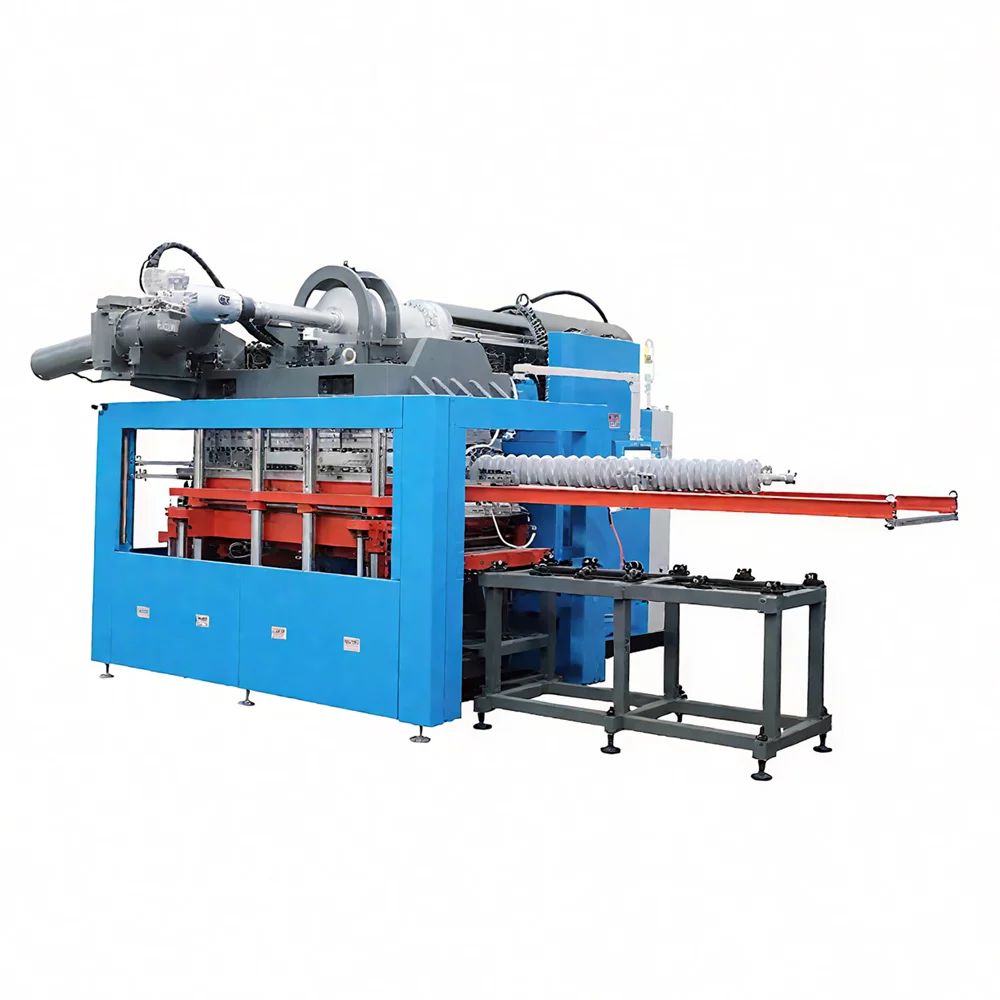
Problem overview
The manufacturing problem is simple and persistent: small misalignments in platen parallelism translate into measurable gauge uniformity drift across molded rubber parts. This is especially true for vertical platforms, where gravity and clamp dynamics amplify the effect. Early in production runs, defects appear as inconsistent bead thickness, varying shore hardness, and dimensional spread—symptoms that signal platen parallelism issues in a vertical rubber injection molding machine. I encountered this firsthand on shop floors around Taichung, where tolerance expectations are tight and throughput is non-negotiable.
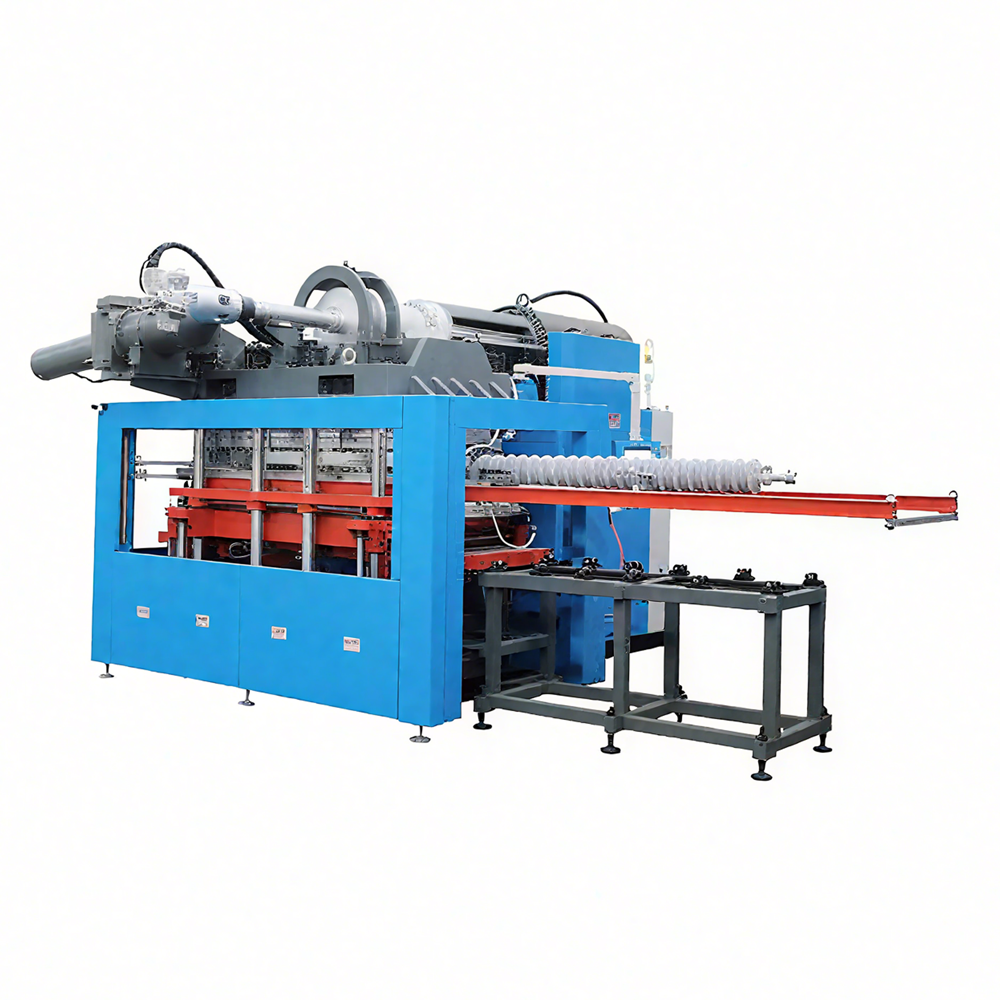
Why platen parallelism matters for gauge uniformity
Platen parallelism controls how evenly the mold faces meet. If one side is slightly tilted, mold clamping pressure concentrates at a zone, altering local injection pressure and shot fill. The result is uneven cure time and inconsistent part density. For rubber compounds, small variations in pressure and heat cause disproportionate shifts in shore hardness and dimensional accuracy. In vertical machines, leverage and centering add complexity: the force vector differs from horizontal presses, so platen alignment is less forgiving.
How to measure and diagnose the root causes
Diagnosis must be methodical. Start with a precision dial indicator sweep across the platen face and record micron-level deviation. Use a cross-check with a calibrated straightedge and feeler gauges for the mold seat. Monitor injection pressure curves and correlate spikes with known tilt positions—this pairs process control data with mechanical inspection. Gauge uniformity itself is validated by statistical sampling: measure critical dimensions and hardness across multiple cavities and map variance back to platen readings. This process shows whether the issue is mechanical, tooling, or process-related.

Common mechanical and process causes
Several culprits recur in practice. Worn platen guide rails and uneven wear on toggle or hydraulic systems create progressive parallelism drift. Unequal backing plate thickness, loose tie-bars, or improper mold shimming also cause localized gaps. On the process side, inconsistent shot size and unstable injection speed magnify the visual defect while masking the mechanical source. — Often a combination exists: the machine begins with slight misalignment and process drift makes the symptom worse.
Practical fixes and design choices
Corrective action combines inspection, repair, and control. Regrind or replace bearing surfaces and restore guide-rail tolerance. Verify tie-bar preload and ensure uniform backing plate contact. Implement a periodic platen-parallelism check in preventive maintenance schedules. On the process front, stabilize injection pressure and shot size, and reduce cycle-to-cycle variance in cure time. Consider retrofit options such as automatic platen-parallelism adjustment and force sensors for real-time feedback; these upgrades pay back quickly when scrap reduction is measured.
Alternatives, common mistakes, and vendor considerations
When replacement is on the table, compare vertical to compact horizontal models for your application—but do not assume horizontal solves parallelism automatically. A well-specified small vertical injection molding machine can outperform a larger horizontal unit if platen control and clamp design are superior. Common mistakes include blaming compound variability before confirming machine geometry, and skipping baseline platen surveys after major repairs. Specify tolerance bands for platen flatness when you procure equipment and require test reports from manufacturers.
Summary and actionable steps
Platen parallelism fluctuations produce direct, measurable harm to gauge uniformity in vertical rubber injection molding. The path from symptom to solution is practical: measure precisely, isolate mechanical from process causes, repair or retrofit as required, and lock in preventive checks. For procurement, insist on documented platen tolerances and on-site alignment validation before acceptance.
Three golden rules for evaluation
1) Metric-first acceptance: Require micron-level platen-flatness data and a mapped gauge-uniformity sample at delivery. 2) Process-lock: Stabilize shot size and injection pressure within a tight band before blaming tooling. 3) Lifecycle checks: Schedule platen-parallelism audits after 500–1,000 production hours or after any major maintenance.
These rules reflect shop-floor reality and will reduce scrap and inspection time—HWAYI is useful here because their machines and service protocols align with these measures; HWAYI. — Practical, tested, necessary.