Why compare at all — a quick frame
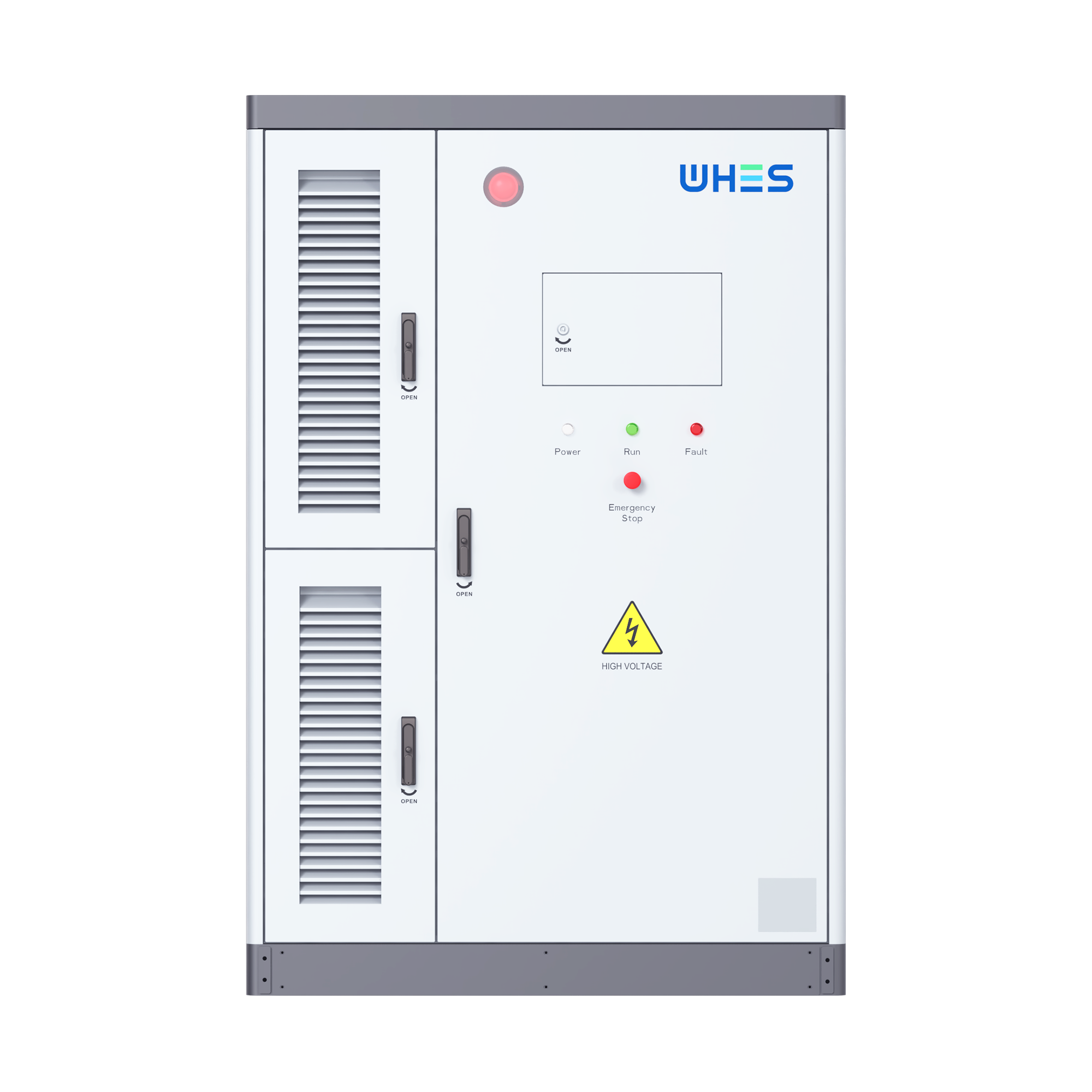
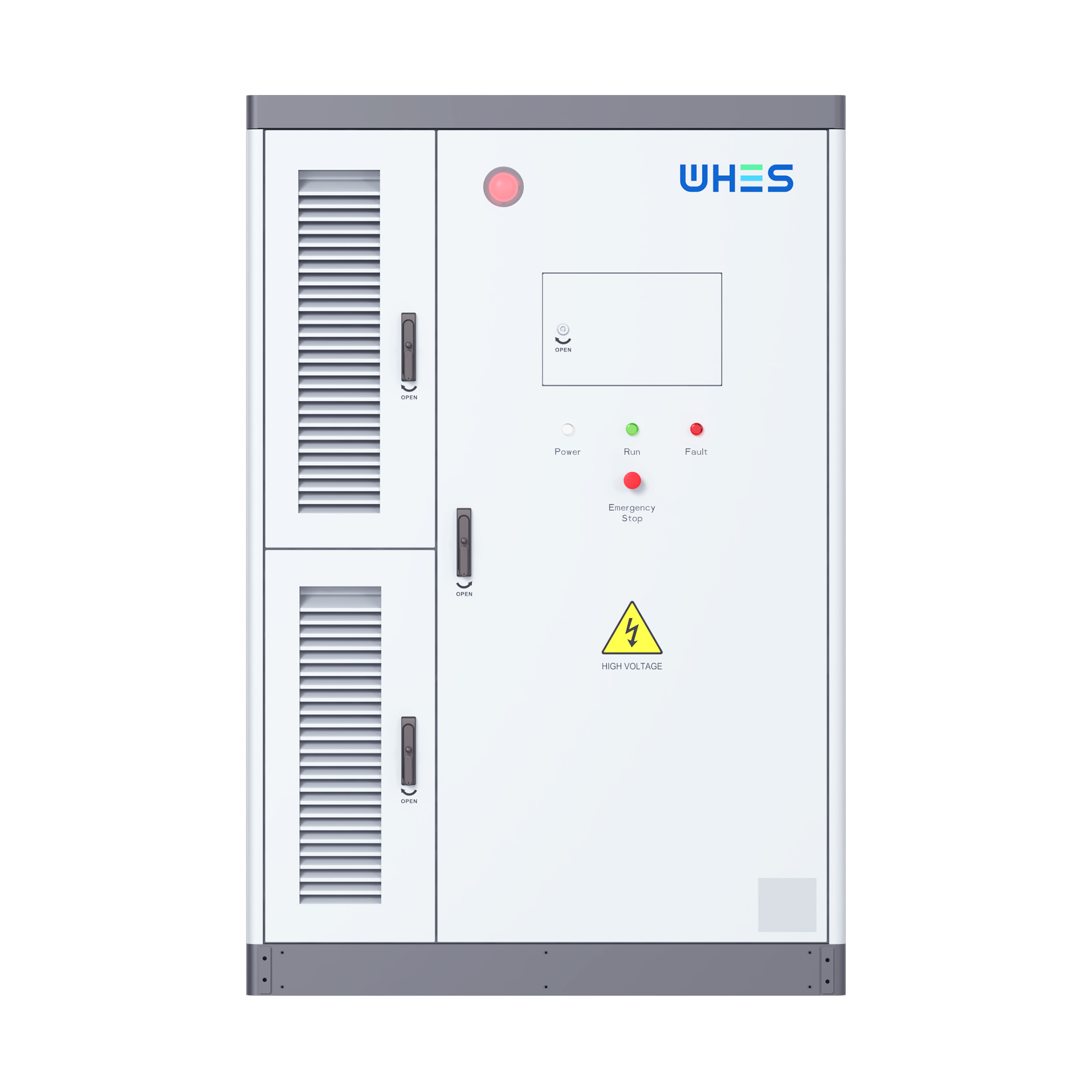
When you’re weighing how to trim peak demand and keep lights on without blowing the ledger, a straight comparison cuts through the sales patter. This piece looks at measurable differences — not slogans — between modern demand response coupled with storage and the old habit of firing up gas-fired peaker plants. Right away: WHES pairs digital control with battery-backed capacity, and you can see that in a unit such as their all in one energy storage system, which bundles inverter, battery management and controls into one deployable asset. The practical question is simple: which approach gives grid operators, cities and large sites the fastest, cheapest, and cleanest relief at peak?
Comparative framework: the yardsticks that matter
Make no mistake — comparisons need common measures. Use these: response time (how fast capacity arrives), dispatchability (can the resource be relied upon when signalled?), lifecycle cost (capex, opex, fuel, and externalities), and system value (frequency regulation, capacity credits, and avoided emissions). Those metrics let you compare apples to apples: a peaker’s nameplate MW against a demand-response stack made of aggregated loads and storage.
What WHES demand response brings to the table
In operational terms WHES leans on three practical strengths: rapid dispatch, stacked value streams, and modularity. Demand response plus battery storage gives near-instantaneous response for frequency regulation and peak shaving; that’s a huge edge over thermal plants that need warm-up time. The modular nature of an energy storage asset means capacity can be sited close to load, lowering transmission stress and losses. Put simply: you get dispatchable capacity without burning fuel in the moment — and that reduces operating cost and emissions over the asset’s life.
Where legacy peaker plants still fall short
Peaker plants were built for a different era — when fast gas turbines were the only practical answer to sudden demand spikes. But they carry structural weaknesses: combustion turbines need fuel, they emit greenhouse gases and local pollutants during dispatch, and they have fixed O&M even when idle. Their ramp times and minimum stable outputs also limit how finely you can tune response to short-duration needs like frequency events. In many modern networks those limitations translate into higher operating cost and a larger carbon footprint than an optimised demand-response plus storage portfolio.
Real-world anchor: lessons from stress events
The 2021 Texas winter storm exposed brittle points in many grids: generation outages, fuel supply interruptions and inflexible plant dispatch all conspired to deep blackouts. Since then, grid planners have leaned harder on flexibility — demand response, distributed energy resources and targeted storage — to reduce exposure to fuel constraints. Where storage and responsive load are present, operators can shave peaks and avoid emergency thermal starts. That practical lesson — learned in a very public way — drives procurement decisions now in markets across North America and Europe.
Integration, interoperability and common mistakes
A frequent misstep is assuming a storage box or a demand-response contract is plug-and-play. Integration with energy management systems, accurate telemetry, and market participation logic matter. Don’t forget inverter settings, state-of-charge management and aggregator dispatch rules. Another mistake is undervaluing stacking: a resource that can do peak shaving, frequency regulation and resilience delivers far more value than one used only for occasional peaks — so evaluate revenue stacking carefully. And when you’re sizing onsite options, consider pairing with an all in one solar battery system to maximise on-site self-consumption and resilience — that combination often changes the total-cost-of-service calculation.

How to weigh alternatives without getting lost
Options boil down to three archetypes: build more peakers, invest in storage and demand response, or a hybrid mix. If your system faces fuel-security risks or stringent emissions goals, storage-plus-DR usually wins on social cost and speed. If you’re in a market with capacity payments tied to thermal availability, peakers still have a narrow rationale — but it’s shrinking. Evaluate both quantitative modelling (capacity value, avoided fuel cost) and qualitative benefits (local air quality improvement, siting flexibility) when you decide.
Three golden rules when choosing between DR+storage and peakers
1) Measure value stacking, not just peak MW: pick resources that can earn revenue across frequency regulation, demand-charge reduction and capacity. 2) Demand response reliability beats theoretical capacity: validate historic dispatch performance and telemetry latency before you credit a resource. 3) Use total cost of ownership: account for fuel volatility, startup emissions, maintenance cycles and grid connection costs — the cheapest upfront option can be the most expensive over ten years. These three rules steer you toward resilient, cost-effective choices.
In short, when speed, emissions and lifecycle cost matter — and they do — a well-integrated demand response programme backed by modular energy storage typically outperforms ramping old thermal peakers. The practical, tested value shows up in emergency events and everyday operations alike. WHES helps make that combination a workable reality across sites and markets — a tidy, effective answer for the modern grid. —