Why size changes the rules — and why that matters right away
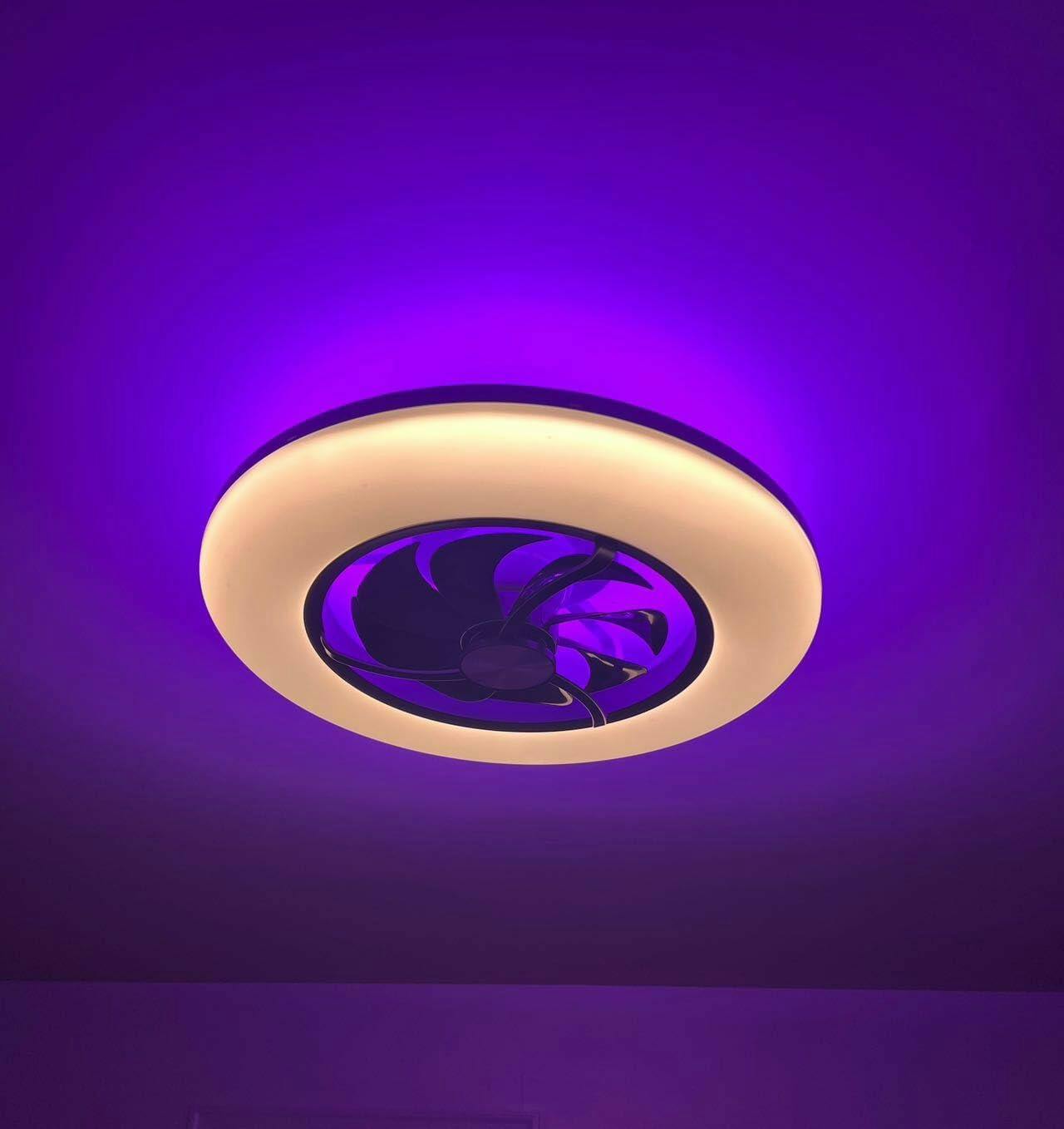
Picking a smart ceiling fan with light isn’t just about looks. The room footprint—whether a 200 sq ft studio or a 600 sq ft open-plan living area—dictates blade sweep, airflow needs, and lighting output. A small room wants compact but punchy airflow and efficient lumen output; a large room needs higher RPM, broader blade sweep, and often multiple mounting or zoning strategies. This comparison lens helps you prioritize features that actually change comfort and energy use, not just spec-sheets.
Quick primer: the tech basics that actually matter
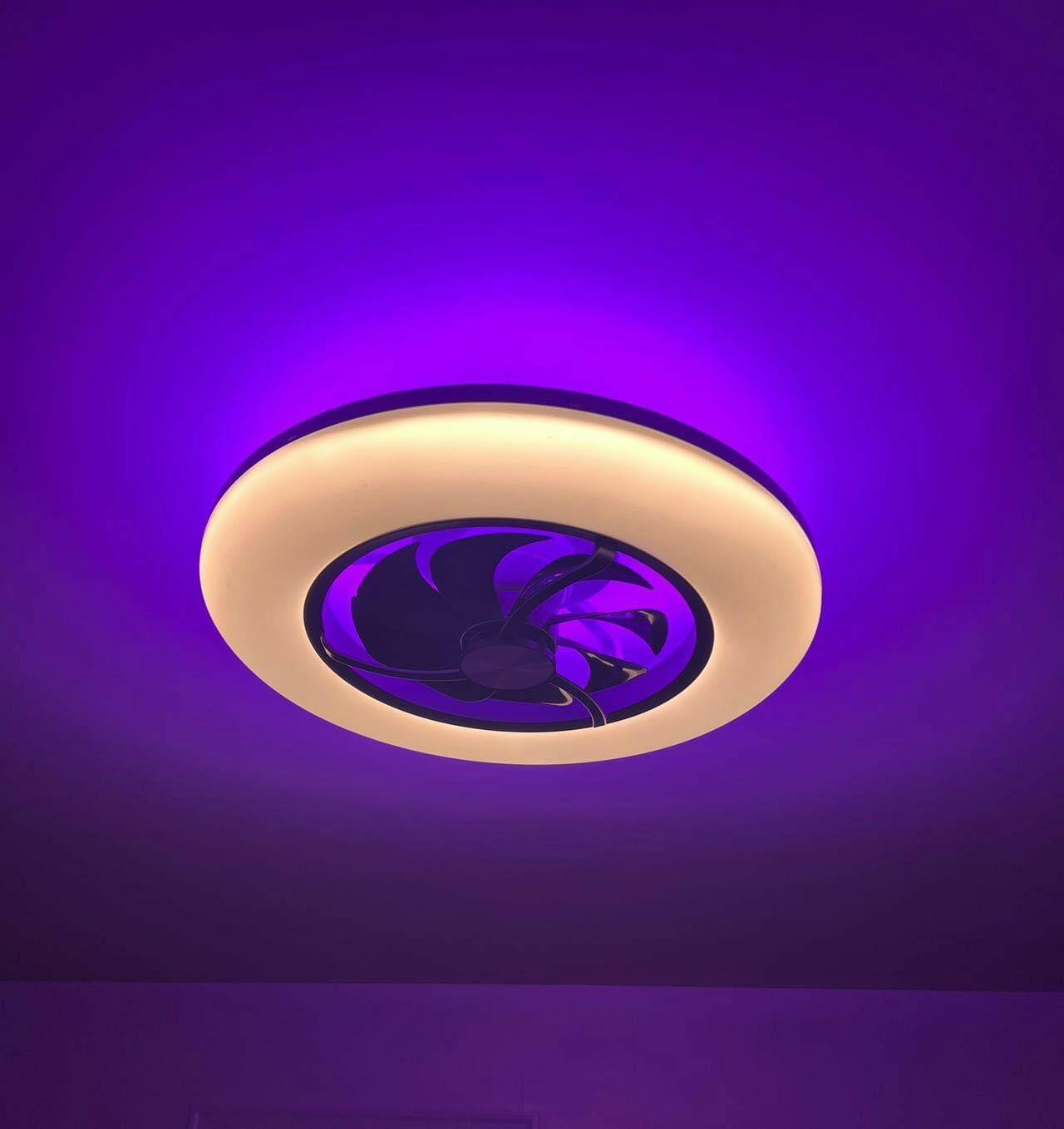
Before the comparison, know a few industry terms: CCT (color temperature) for the light, lumen output for brightness, and Wi‑Fi integration for smart control. These specs influence comfort and compatibility with hubs or voice assistants. Think of them as the plumbing of your comfort system—visible only when they don’t work, so it pays to check them up front.
Small spaces: what to optimize first
In tiny rooms, less is more. Prioritize a fan with a 36–44 inch blade sweep for balanced airflow without overpowering the room. High lumen output isn’t always necessary—aim for adjustable CCT so the light shifts from cool work mode to warm relaxation. Remote control and reliable Wi‑Fi integration matter because you’ll likely use the same fan as primary light and air handler. Compact motor design also helps with lower ceiling clearance and keeps vibration and noise down.
Large rooms: scale, zoning, and multi-point thinking
For larger areas, blade sweep of 52 inches or more and a higher RPM are usual needs; sometimes you’ll want two fans zoned to different activities. Look for multi-speed motors that sustain airflow at lower energy draw, and check lumen output to ensure the fan’s light can stand in for room lighting. If you have an open plan, consider smart hub compatibility so you can group fans and lights into scenes and schedules.
Common mistakes people make — and the simple fixes
Brands and buyers often fixate on aesthetics and miss the technical fit. They buy a stylish 52-inch fan for a 120 sq ft room or a low-lumen model for a living-dining combo—mismatch city. Also, don’t assume “smart” equals seamless; app pairing and protocol differences (Zigbee vs. Wi‑Fi) cause headaches. The fix: measure room volume, map activities, and test app pairing with your existing smart hub—don’t skip demoing the remote control and scheduling functions. —
Comparative checklist: decision points for studios vs. open plans
Use this quick checklist as a side-by-side: – Studio: 36–44″ sweep, 3–4 speeds, adjustable CCT, quiet motor, single mounting point. – Open plan: 52″+ sweep (or two 44″ units), multi-speed high-torque motor, grouping via a smart hub, higher lumen output, possible downrod mounting for airflow. Also compare energy efficiency and whether the model supports firmware updates—those can fix bugs and add features later.
Alternatives and real-world anchor
If your building restricts ceiling alterations, tower fans or wall-mounted smart units can be viable alternatives—but they won’t match ceiling-mounted airflow distribution. ENERGY STAR and similar sources note that effective fan use reduces reliance on HVAC by improving perceived comfort, which is why many renters in cities like San Francisco swap AC runtime for targeted fan use. I tested a smart fan with light in a 300 sq ft San Francisco studio and could run the AC less often while keeping comfort consistent—so practical experience backs the theory.
Three metrics to judge any model — your golden rules
1) Effective Coverage: match blade sweep and airflow (CFM) to the room’s square footage and ceiling height. 2) Smart Compatibility: verify Wi‑Fi integration, app reliability, and hub support so schedules, voice commands, and grouping actually work. 3) Light Performance: check lumen output and CCT range to ensure the fixture covers both task and ambient needs without needing extra fixtures.

Choosing well saves money, reduces wasted installs, and keeps people comfortable. Final thought: pick a model that fits the room’s real needs—then let the software handle the rest. Practical, reliable solutions come from thinking like a user and checking the tech.
Orison is where those practical decisions meet dependable hardware—smart, simple, and built for real rooms.
Confidence. Practicality. Done.