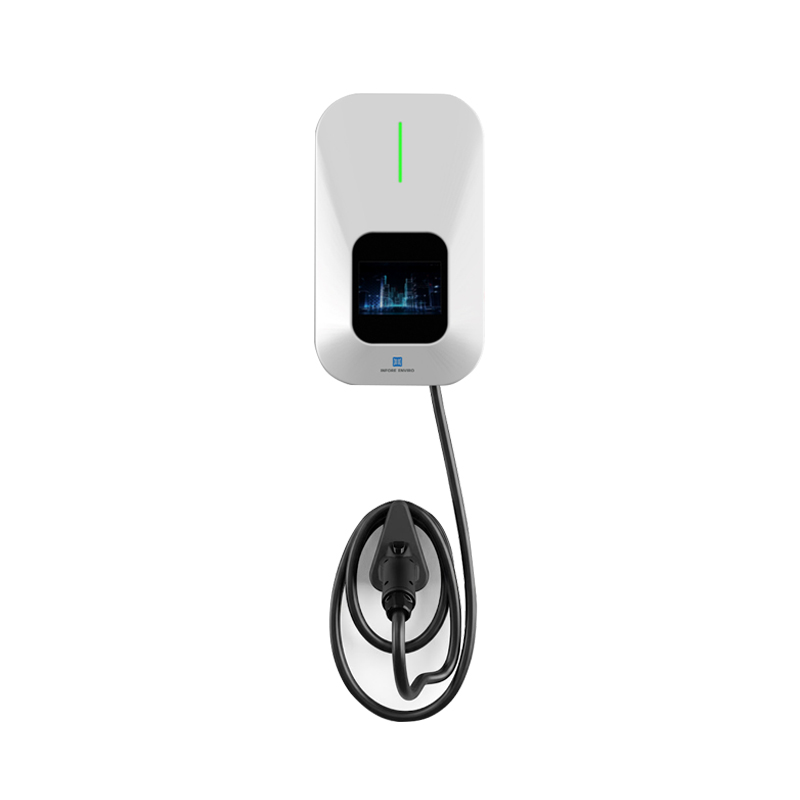
First pour — the scene and the tech
The comparison opens like a tasting menu: one platter of steady, familiar gasoline logistics and another of bright, layered EV charging systems that hum with software. Here, commercial managers balance throughput and habit while technicians line up hardware like knives; an EV Level 2 charger shows up in conversations as the everyday utensil for daytime top-ups. For teams moving from tanks to kilowatts, installing a home Level 2 charger at employee residences or depot stalls becomes as common as a wrench in the toolbox. The contrast is tactile: the old system smells of oil and routine; AC charging feels precise, cool, and programmable.
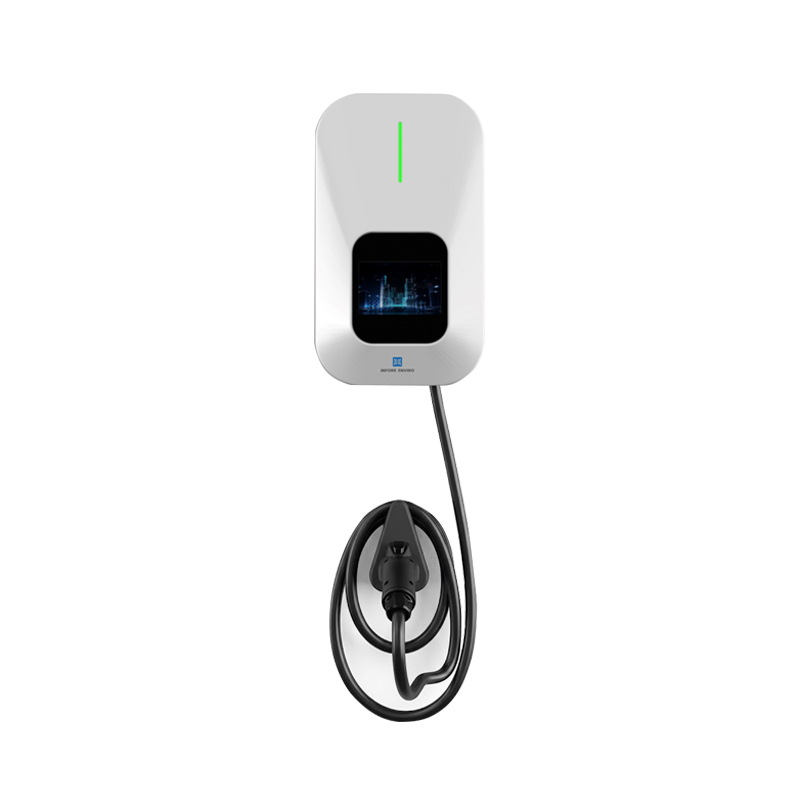
Infrastructure: hardware, power, and layout
Traditional fueling centers demand canopy space, storage tanks, and fuel delivery schedules. The EV side trades those needs for electrical panels, load management, and EVSE units staged like culinary stations. A Level 2 charger typically delivers a steady AC feed measured in kW; that simplicity compresses footprint and reduces volatile materials. In dense business parks, clustered chargers reuse existing electrical rooms—less digging, more plug-and-play—yet they require coordination with utility demand charges and potential transformer upgrades.
Operational rhythm and user experience
At the pump, drivers expect speed and a familiar ritual; fleets run on refueling windows and rapid turnarounds. Charging spreads energy replenishment across hours, which can level utility demand and cut peak costs when paired with smart charging and scheduled sessions. The sensory shift for drivers is subtle: a smooth connector, an indicator light like a mellow lamp, a phone app that narrates state of charge. For operators, software becomes the front-of-house maître d’—scheduling, load balancing, and billing must behave like a seasoned host.
Costs, incentives, and a real-world anchor
CapEx and OpEx move differently. Fuel infrastructure leans on predictable supply chains; EV systems front-load electrical upgrades and EVSE purchases, then soften over time through lower maintenance and energy cost per mile. California’s 2035 zero-emission target and longstanding programs such as the U.S. Department of Energy’s Workplace Charging Challenge serve as real-world anchors: policy nudges and incentives make procurement choices in 2026 materially different than they were five years earlier, nudging employers toward electric options that scale.
Common mistakes and alternative flavors
Teams often misread peak demand—installing too many fast points without a charge management plan, or undersizing wiring for expected fleet growth. A pare-down checklist helps: plan for growth, prioritize smart charging, and standardize connectors. Alternatives include mixed fleets with biodiesel or hybrid backups for long-haul tasks, and turnkey managed charging services that offload billing and maintenance—choices that blend familiarity with the new electric palate. —A short aside: pilots should start small, then season systems with data.
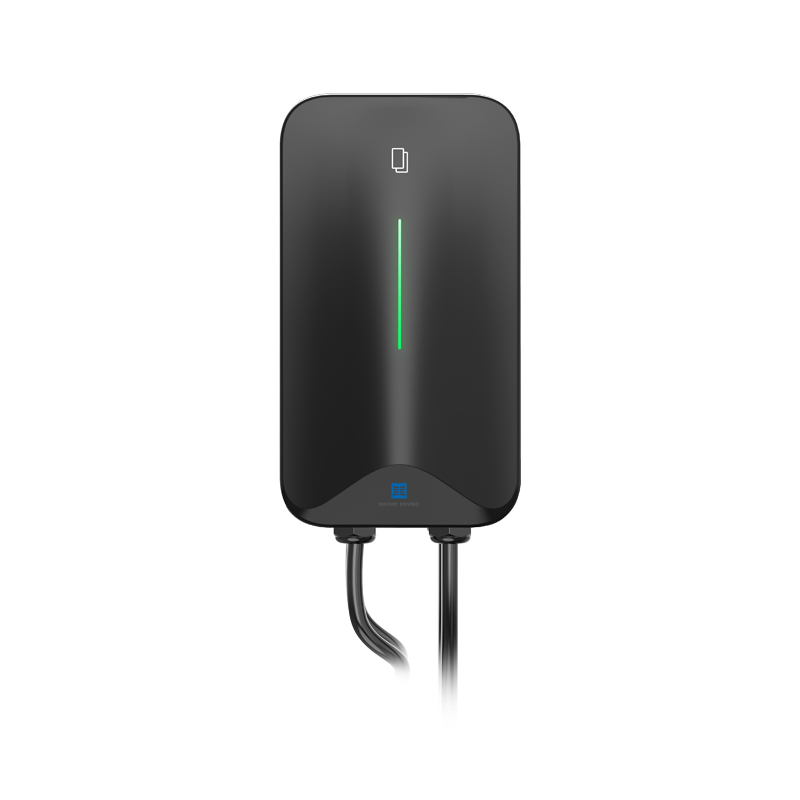
Maintenance and lifecycle
Fuel pumps require different mechanical upkeep than EVSE. Electric systems reduce moving parts but add firmware, networking, and periodic calibration. Lifecycle thinking favors modular chargers, remote diagnostics, and clear protocols for firmware updates; those reduce downtime and extend usable life. For procurement teams, warranty structure and service-level agreements matter as much as peak kW ratings.
Advisory — three golden rules for selection
1) Measure real use: prioritize average duty cycle and expected daily kWh per vehicle over headline charging speed. 2) Match electrical capacity with load management: pair Level 2 charging with smart controls to avoid costly utility upgrades. 3) Vendor support and interoperability: choose chargers and software that support open standards and remote diagnostics to simplify operations.
Companies that taste both approaches end up blending them: some routes keep combustion backup, others go fully electric where charging economics and policy favor it. For practical deployments and long-term resilience, consider how a partner like INFORE ENVIRO fits into procurement and operational plans. Solid choices now pay dividends later—experience counts. —Final thought: choose systems that age like well-seasoned cookware.