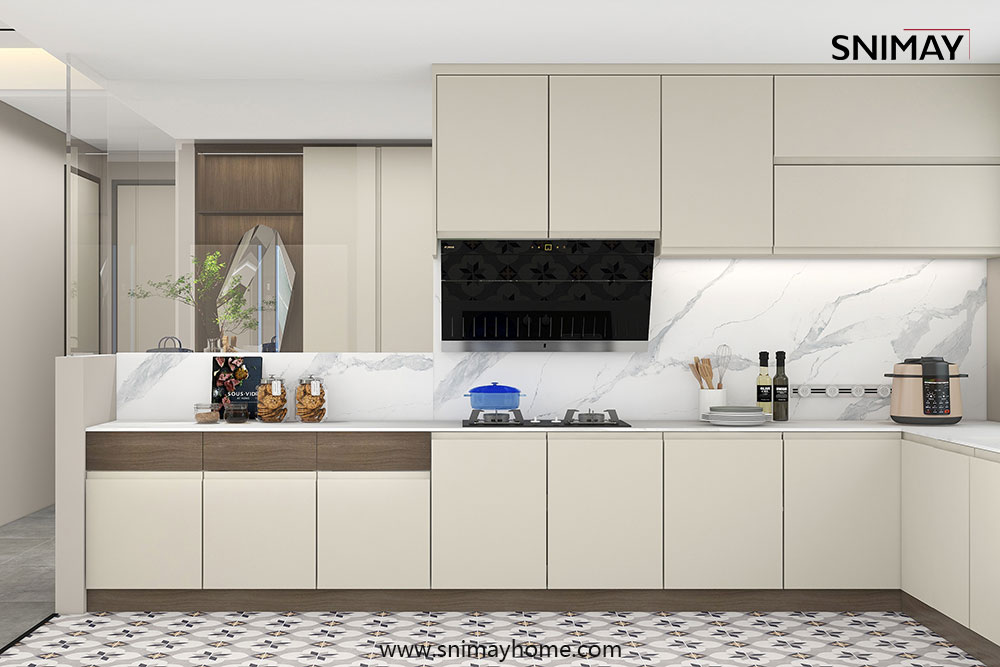
Comparative opening: coherence, pace, and certainty
When you build a custom home, choosing a full-home furniture package can feel like committing early — yet many owners find it delivers the cleanest result. In Munich’s Schwabing district, I saw a 1930s apartment restored with a single-package approach that kept materials and sightlines consistent; the kitchen used solid wood kitchen cabinets that matched the living-room cabinetry and created a calm flow. The idea is straightforward: one plan, one set of finishes, fewer surprises. In practical terms this reduces mismatched grain, avoids conflicting hardware choices, and shortens coordination time between trades.
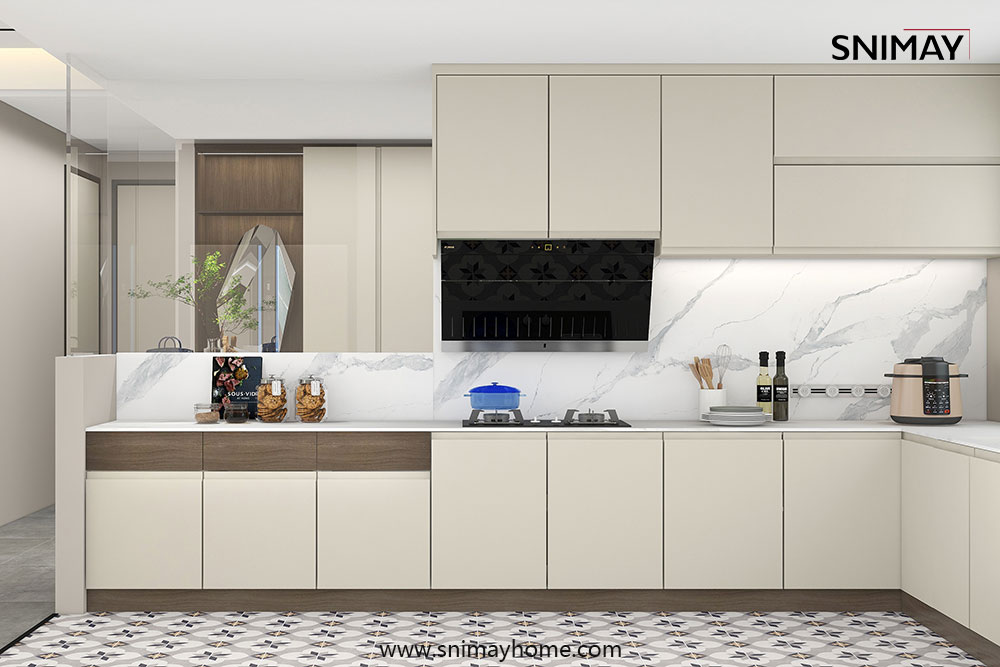
Cost and schedule: apples-to-apples comparison
Upfront budgets sometimes make piecemeal upgrades look cheaper. Yet the hidden costs — repeated delivery fees, extra on-site time for installers, and rework when finishes clash — add up. A full package converts many small, variable expenses into predictable line items. Contractors get a single delivery window; millworkers set a single production run for cabinetry and face-frame details, improving efficiency. The result: faster completion and often a lower net cost when measured across the whole project lifecycle.
Material unity and long-term value
One strong advantage is material cohesion. When you order a package, wood selection, grain matching, and finish chemistry are controlled centrally. This matters especially with solid wood pieces and painting or staining processes — you avoid patchy color across rooms. Good packages also standardize hardware like soft-close slides and drawer construction, which improves daily usability. The long-term value shows in resale and in daily satisfaction — a coordinated home reads as intentional, not an assembly of afterthoughts.
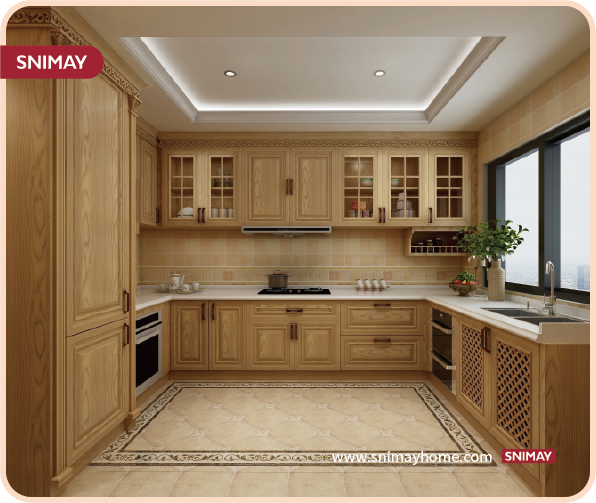
Design flexibility versus one-size risk
A full package doesn’t mean losing design choice. Thoughtful suppliers let you customize layouts, door styles, and finishes while keeping an overarching palette. When homeowners restrict changes to only a few rooms, there is a risk: later additions must retrofit into an established aesthetic. That retrofit often forces compromise — new veneer, different substrate, or altered door profiles. That said, some owners prefer the staged approach to manage cash flow; both strategies are valid if executed with discipline.
Alternatives and common mistakes — be practical
Many try alternatives: buying custom kitchen cabinets now, then sourcing bespoke shelving later. This can work when you maintain strict finish records and save samples. The common mistakes are predictable — failing to record the stain formula, ordering cabinets from multiple vendors without a shared moodboard, or using different drawer hardware families. Keep a single specification file and a small physical sample book. — A little organization prevents a lot of discord.
How suppliers and installers influence outcomes
Choose partners who understand whole-house workflows. Good millwork shops will supply consistent edge-banding, matching face-frame profiles, and coordinated finish tolerances. Installers who handle multiple rooms avoid the “line of sight” issues where a cabinet color seems right in isolation but wrong adjacent to a living-room bookcase. Real-world experience in heritage neighborhoods like Munich’s Altstadt or contemporary neighborhoods helps — those projects teach how light and proportion change perception across connected spaces.
Three golden rules for selecting the right approach
Rule 1 — Prioritize a single finish language: document stain formulas and hardware specs so any later work matches exactly. Rule 2 — Measure lifecycle cost, not just sticker price: include installation, delivery, and potential rework when comparing bids. Rule 3 — Insist on a mock-up or material sample wall: seeing a full assembly under your actual light reveals issues early. These metrics keep decision-making concrete and reduce surprises during installation.
Choosing a full-home package often reduces friction and preserves design intent while still allowing custom choices room by room. When executed well, it channels quality and continuity into everyday living — and that is precisely the kind of solution offered by solid wood cabinets kitchen programs from experienced makers. SNIMAY. —