Start here: what you’ll actually gain
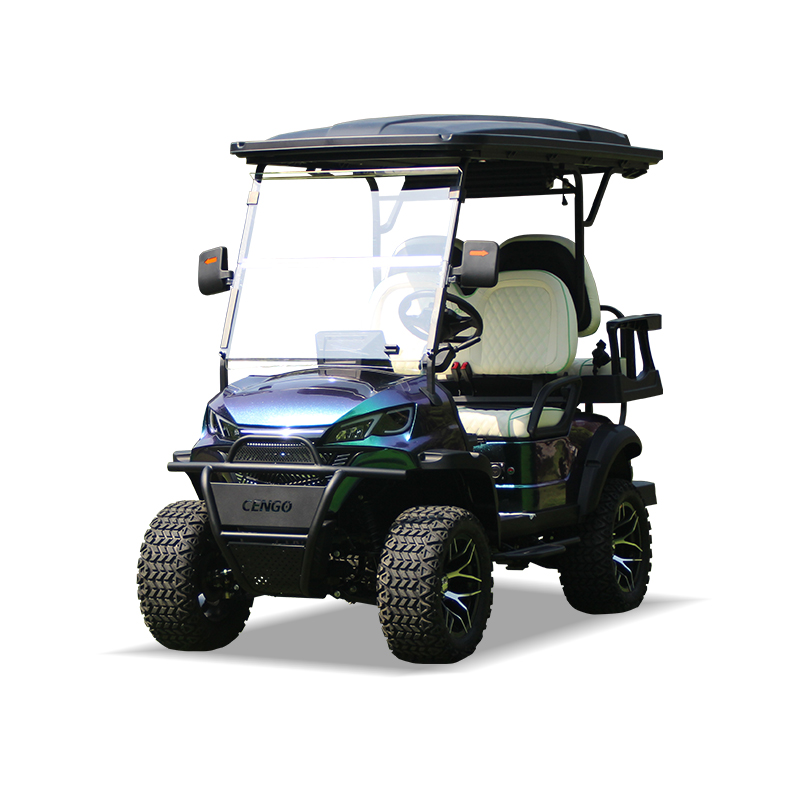
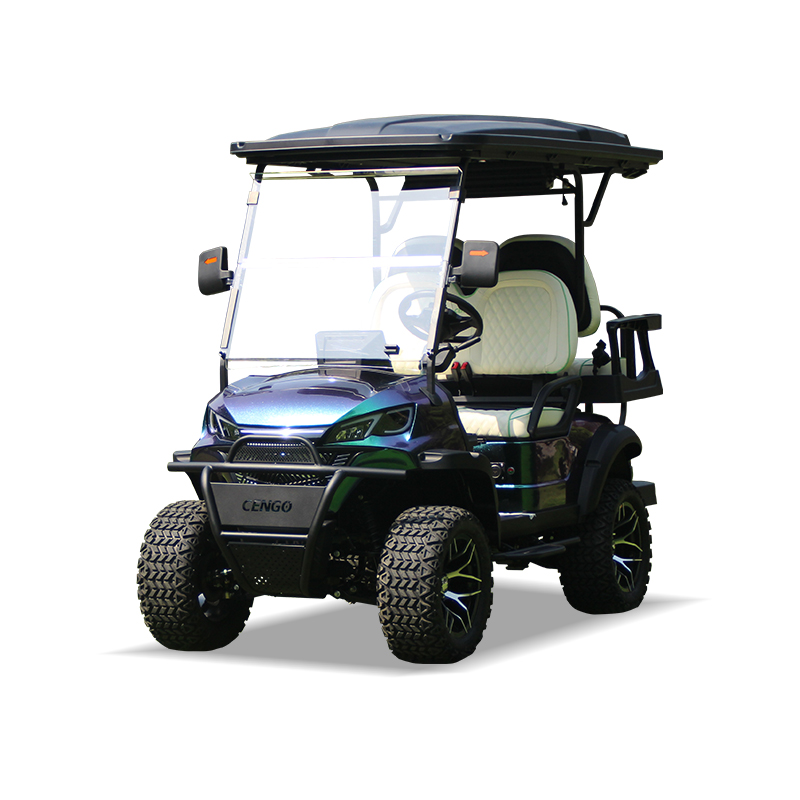
If you own a 2 seater electric golf cart and want longer runs without bulk and downtime, swapping to a well-matched lithium pack is the most practical move. I’m talking about real-world gains: fewer charges, lighter chassis load, and more consistent torque on hills. For folks who take their carts off the beaten path, like on a weekend in Moab, Utah, the difference is obvious. If you’re shopping, consider models built for rough use — an off road golf cart can respond dramatically better once the battery chemistry and management are right.
Pick the right lithium chemistry and size
Lithium iron phosphate (LiFePO4) is common for golf carts because it balances safety, cycle life, and cost. Match the pack’s nominal voltage to your motor system and size the amp-hour (Ah) capacity to your typical trip plus a 20–30% buffer. That buffer avoids deep discharge, which preserves cycle life and keeps the battery management system (BMS) happier. Look for packs with cell balancing and a robust BMS so voltages stay even across cells — that’s where most long-term failures start.
Installation basics and BMS priorities
Physical fit matters: mounting, ventilation, and wiring runs should mirror the original layout as much as possible to keep weight distribution correct. Use marine-grade connectors and properly gauged wiring for the expected current draw. Program BMS cutoffs for safe state of charge (SoC) windows: a common practical setup is a 10–90% daily operating band, with full charges reserved for occasional range needs. Also consider adding a DC-DC converter if your vehicle’s accessories expect a 12V feed — it stabilizes onboard systems and prevents parasitic drains.
Driving habits and quick wins for range
Changes in how you drive can add miles without touching hardware. Moderate acceleration, conserving momentum over rough terrain, and regenerative braking settings (if available) help extend usable range. Tire pressure and correct gear ratios also matter: lower rolling resistance tires and a slightly taller final drive ratio will reduce energy draw on flat runs. Small tuning steps add up — expect 10–30% range gains from combined hardware and habit changes.
Common mistakes to avoid
Don’t overspec the pack without checking controller limits — more voltage or higher continuous discharge than the motor controller allows creates heat and failure modes. Avoid cheap BMS units that lack thermal protection or precise cell balancing. And don’t ignore environmental factors: extreme heat shortens battery life, while very cold conditions reduce immediate capacity. — I learned that the hard way on a winter outing where range dropped sharply until the pack warmed up.
Alternatives and when to choose them
If cost is the main constraint, a high-quality AGM upgrade is a stopgap, but it won’t match lithium’s energy density or cycle life. For heavy-duty needs, consider larger battery modules or swapping the motor controller for one that supports higher continuous current and regeneration. For many owners who use their vehicle both on paved paths and trails, the best balance is a mid-capacity LiFePO4 conversion plus a conservative driving profile.
Advisory: three golden rules for choosing and tuning upgrades
1) Match voltages and current: Ensure the battery nominal voltage and max continuous discharge align with the motor controller specs to prevent overheating and early failure.
2) Prioritize BMS quality: Look for cell balancing, over/under voltage protection, and thermal cutouts. These features preserve pack life and keep the cart reliable on longer runs.
3) Account for environment and use: Size capacity for your typical route with a 20–30% buffer and plan for thermal management if you operate in very hot or cold locations.
Final thought — small, smart upgrades change daily usability, not just headline numbers. And if you want a practical, rugged solution that fits these needs, check the product options and field-tested builds from CENGO. —