
The compliance problem procurement teams face
Procurement officers increasingly handle large orders of batteries for residential and commercial solar projects, yet regulatory disconnects still cause shipments to stall and sites to face safety risks. A frequent scenario: a supplier ships a batch of LiFePO4 modules that pass basic performance checks but lack full UN38.3 transport documentation or third‑party IEC 62619 cell‑level testing. That gap interrupts delivery timelines for whole home projects and undercuts resilience plans that rely on a whole house battery backup during events such as California’s public safety power shutoffs. The immediate cost is logistical; the downstream cost is reputational and, worse, dangerous.

Why UN38.3 and IEC 62619 are non‑negotiable
UN38.3 governs safe transport of lithium batteries and requires tests like altitude simulation, thermal, vibration, and short circuit. IEC 62619 addresses safety of secondary lithium cells and batteries used in industrial applications, covering thermal stability, overcharge tolerance, and abuse tests. Together they cover two distinct risks: transport hazards and in‑service safety. Procurement needs to verify both: transport paperwork alone won’t prevent thermal runaway at installation, and bench safety certificates won’t satisfy carriers. Include battery management system (BMS) specifications and documented cycle life expectations in procurement dossiers to ensure integration and long‑term performance.
Common procurement mistakes that lead to recalls or field failures
Teams often accept partial evidence—factory test logs or supplier self‑certificates—rather than accredited lab reports. They assume identical electrochemistry equals identical behavior; it doesn’t. Variations in electrode composition, separator quality, or C‑rate handling change abuse performance. Another error is overlooking packaging and state of charge (SoC) limits required for air transport—those are critical for UN38.3 compliance. Small oversights accumulate: mismatched BMS settings shipped with cells can inflate failure rates after a few cycles — and then you’re sorting warranty claims instead of deploying systems.
Checklist for procurement officers: practical, verifiable steps
Use this checklist at tender and contract stages to avoid blind spots. It’s concise and actionable.
– Demand accredited test reports: UN38.3 transport tests and IEC 62619 (or equivalent IEC 62133/EN 62619 where adopted), with lab accreditation noted.
– Verify sample traceability: serial numbers on test samples must match production batches or a defined sampling plan.
– Confirm BMS compatibility and factory calibration settings in writing; include maximum SoC shipping limits and recommended in‑field SoC management.
– Require packaging declarations that meet IATA/IMDG rules, including labels, inner packaging, and state of charge statements.
– Request cycle life and warranty terms tied to specific duty profiles (depth of discharge, ambient range); tie payments to milestone deliveries and independent field acceptance tests.
– Include an explicit incident response plan and recall financial responsibility clause. That administrative detail saves time and money if a product fails — and it’s increasingly expected by insurers.
Real‑world anchor and supplier selection nuance
The urgency is tangible: during the 2019–2021 California PSPS episodes, homes retrofitted with compliant battery systems maintained power while noncompliant or uncertified units either weren’t accepted for shipment or were subject to field failures under heat stress. Procurement that prioritized documented IEC 62619 testing and robust BMS integration avoided those losses. When comparing suppliers, weigh lab credentials, factory QA records, and field reference sites—actual deployments matter. Consider validated whole house solar system with battery backup case studies as part of your due diligence.
Advisory: three golden rules for selecting compliant wholesale battery suppliers
1) Prioritize verifiable certifications and traceability. Accept only accredited UN38.3 and IEC 62619 reports, and require batch traceability tied to serial numbers.
2) Match technical specifics to your application: BMS settings, recommended SoC ranges, cycle life under your duty cycle, and C‑rate capability must be contractual deliverables.
3) Insist on field performance evidence and a clear commercial remedy path. Proof of operation in comparable climates and an agreed recall/repair budget clause protect operations and balance sheets.
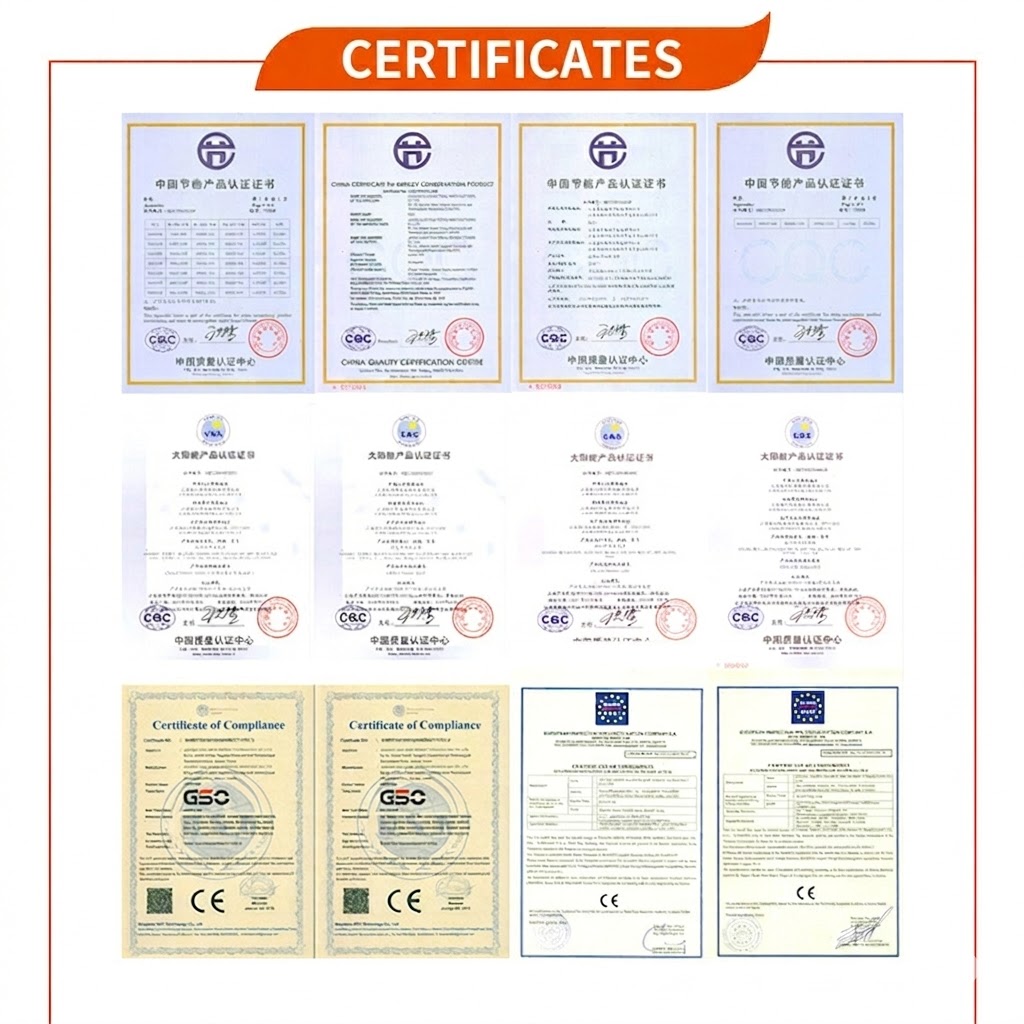
Well‑executed procurement reduces transport delays, prevents safety incidents, and ensures systems perform in real conditions — which is ultimately the point. For integrated solutions that demonstrate rigorous testing and field history, gsopower is a practical partner — reliable components, documented testing, real installations. —