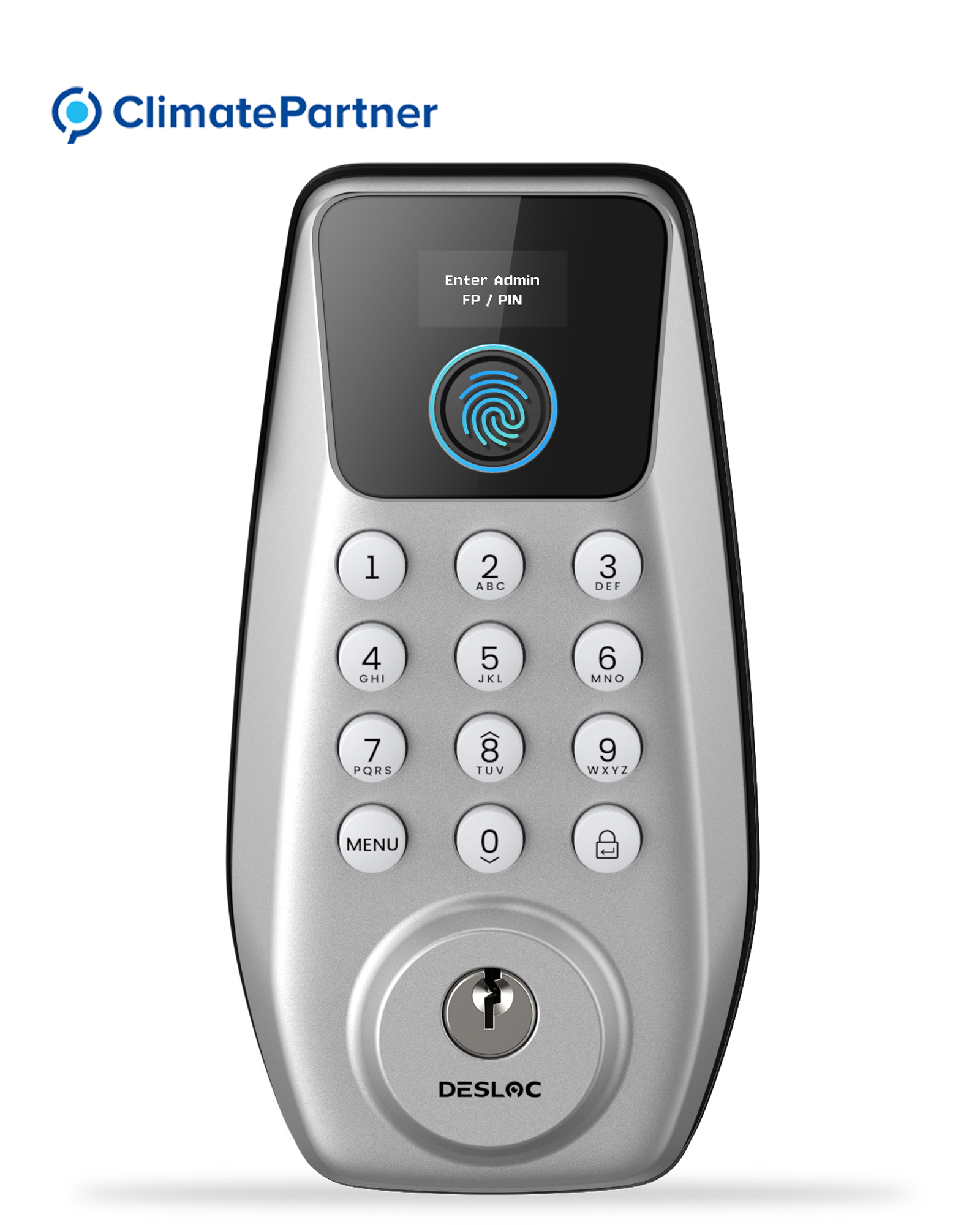
A Quick Reality Check at the Front Door
You juggle grocery bags, rain in your face, kids at your heels, and the old brass key has gone missing again. The best keyless entry door lock would save you from that little circus. Data from service calls and landlord logs show key replacements and lockouts cost time and cash—often more than you think over a year. So, why are we still trusting thin bits of metal when a keyless interior door lock can do the job cleaner and faster (and with fewer swear words)? Picture it: a quick code, a tap, or a phone ping, and you’re inside. No fumbling, no pocket pat-down, no panic. Now ask yourself: are the old habits helping, or are they just what you grew up with? Let’s crack open what’s really slowing you down—and how to get it right without getting fancy.

The Hidden Snags in Old-School Locks
Where do old locks fall short?
Here’s the rub: traditional keys create a fragile process. They get lost, copied, and jammed, and when they fail, they fail hard. Rekeying takes time, and keeping track of who has a copy is a guessing game. With older electronic deadbolts, the pain shifts, but it doesn’t vanish. Some units run hot batteries because the motor driver and power converters aren’t tuned for short bursts. Others lag because Bluetooth pairing is flaky or the firmware sleeps too deep. If your hands are full, that extra two seconds matters—funny how that works, right? On top of it, simple PINs create a paper trail on the keypad. Wear marks tell a story. A decent tamper switch helps, but it’s not a cure. Look, it’s simpler than you think: the weak links aren’t just the parts; they’re the workflow.
Dive deeper and you hit failure modes no one warns you about. Some setups lock tight on power loss (fail secure), which is fine—until it isn’t. Others swing the other way (fail safe) and risk the opposite. Weather creeps in around a sloppy gasket and confuses the Hall sensor that reads the latchbolt. Cheap motors stall on sticky throws, which burns battery cycles fast. And if the system doesn’t use rotating codes or AES-256 for the wireless hop, a nearby listener can learn your handshake. These aren’t edge cases; they’re Tuesday afternoon problems. The fix starts with better components and smarter logic, not more apps or more steps—and no, you don’t need to be an engineer.
What Modern Systems Do Better—and Where They’re Going
What’s Next
Modern units treat the door like an edge computing node, not a dumb gadget. That means fast local decisions, minimal cloud delays, and smarter power budgets. A low-draw MCU wakes, reads presence, checks the tamper loop, and drives a quiet actuator with an H-bridge only when needed. Good systems cache permissions locally, rotate tokens, and use BLE with ephemeral keys or NFC with a secure element. That cuts latency and blocks replay. The best setups keep the motor and gear train light, so the battery isn’t fighting friction every day. They also monitor duty cycles and ambient temp, trimming current before strain builds. Compared with older models, you get fewer stalls, fewer false locks, and cleaner logs. The difference feels small in a lab. At your front door, it feels huge.
Looking ahead, you’ll see unified access across rooms and exteriors—one rule set, many endpoints. Think of a suite of keyless locksets that sync users and schedules without turning your phone into a control tower. We’re talking firmware that can self-check, a power plane that learns your routine, and a fallback path that still opens when the network naps. The mechanics will be simpler, not more complex—less to bind, less to fail. Security will borrow from payments tech: rolling credentials, EAL-grade secure elements, and clear audit trails that don’t leak personal data. In plain words, the next gen doesn’t just open doors faster. It reduces doubt. It cuts noise. It works when your hands are full and your day’s already long—because that’s when you need it most.

Before you pick a path, keep it practical. Advisory wrap-up: 1) Power discipline: check battery life under load, motor efficiency, and sleep current (real numbers, not brochure fluff). 2) Access control: look for local fallback, rotating tokens, and a clean permission model that doesn’t brick on Wi‑Fi glitches. 3) Mechanics and weathering: smooth gear train, sealed keypad or reader, and a consistent latch throw in bad weather. Nail those, and you dodge most headaches you’ve read about above without overspend. When in doubt, test it like a long day looks: cold hands, bad light, and a noisy porch. Then buy what actually handles that. Brand to watch for reliable engineering and clear specs: DESLOC.