
Introduction: A shop-floor scenario, a hard number, a simple question
I remember walking into my small workshop on a wet Tuesday morning and seeing a stack of failed prototypes—again. That pile represented hours of setup, wasted resin, and three missed client deadlines that month; resin materials like rigid and flexible photopolymers were at the heart of the mess. I have over 15 years working with industrial resin processes, so I know where pressure builds and where it snaps. In 2022, a client in Shenzhen asked me to deliver 150 functional prototypes in 10 days; we missed the first milestone by 48 hours because of inconsistent layer adhesion—so I asked myself: how could we make repeatable prints without firefighting every single run? (This was a turning point.)
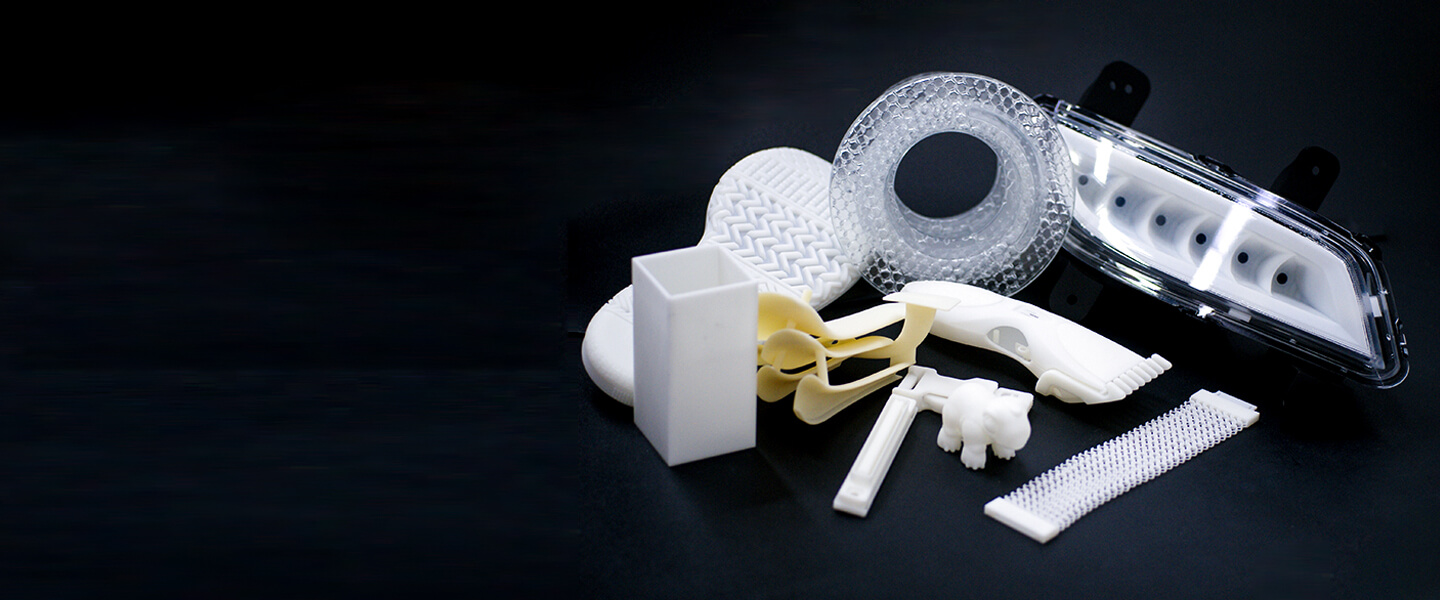
My aim here is practical: I’ll share patterns I’ve learned, the pitfalls I’d avoid if I had to do it again, and the steps that made production reliable. You’ll get hands-on observations, specific examples from real jobs (like the June 2023 run of dental aligner masters that cut rework by 12%), and clear actions you can replicate. Let’s move from frustration to a plan that actually reduces waste and saves time.
Deeper layer: Why conventional fixes fail and what users quietly suffer
sla 3d printing technology is often pointed to as the cure-all for precision parts, but I’ve found that the usual fixes—tweaking exposure, slapping on more supports, or swapping resins—only mask deeper issues. The typical shop response is reactive: change the cure time, add more support structures, or switch to a higher-viscosity resin. These moves can work temporarily, yet they ignore root causes like uneven photopolymerization, poor vat maintenance, or misaligned build platforms. I ran a 200-piece order for earbud housings in April 2023 and learned that inconsistent UV LED array intensity across the vat caused 8% of parts to delaminate mid-build—nothing tweaking exposure alone fixed.
What hidden pains did I see?
Users I work with quietly endure these four problems: unpredictable cure time variance, wasted resin from frequent vat dumps, shadowing from dense support patterns, and unclear post-curing protocols that leave parts brittle. Those pain points lead directly to missed SLAs and over-ordering of materials. I remember one client in Rotterdam—late October, a rush job—who ordered an extra 10 liters “just in case” and later returned 6 liters unused because prints failed for the wrong reasons. That cost was avoidable. In short: many fixes are superficial because they treat symptoms rather than the interplay of resin chemistry, machine calibration, and part orientation.
Forward-looking comparison: Principles and practical paths forward
Move beyond patchwork: new principles emphasize systems thinking—control the entire chain from resin handling to post-cure. When I shifted my shop in 2024 to prioritize end-to-end control, I focused on three technical levers: tighter viscosity control, standardized post-curing ovens with temperature profiles, and routine photometer checks for UV LED arrays. These steps sound small, but they tracked measurable gains: fewer layer adhesion failures and a 9% improvement in first-pass yield on small runs. I tested this across two product types—precision dental molds and flexible wristband prototypes—and the difference was clear.
Real-world outlook: What changes in tooling mean for production
One practical change was adopting a dedicated post-curing station with a rotating platform and a calibrated UV spectrum—this cut cycle variability. Another was treating resin storage as a process variable: I logged lot numbers, storage temperature, and time-on-shelf; once we correlated print defects to a specific batch stored above 25°C in August, we adjusted inventory rules and stopped the bleed. Look — it wasn’t glamorous, but these small controls added up. Also, consider materials like flexible 3d printing material for applications that need compliance; when used with proper support strategy and post-curing, flexible resins reduce assembly steps in wearable prototypes.
Expect slower change at first. You must measure, then act. When we logged build platform tilt to within 0.02 mm and scheduled monthly photometer checks, success became repeatable rather than lucky. — I still remember the first week after implementing those checks; the calm on the floor was almost shocking.
Conclusion: Practical criteria and a candid parting thought
I’ll be direct: improving resin workflows is less about hunting “magic settings” and more about designing a predictable process. From my experience over the last 15 years and dozens of client projects—such as the March 2022 dental tray order in Boston that saved the customer 18% on material cost after process tweaks—you should evaluate solutions by measurable metrics. Here are three evaluation metrics I trust: layer resolution consistency (measure with calipers across 20 samples), process yield (first-pass success rate over a 30-job window), and material traceability (lot-level logs tied to print outcomes). These metrics are specific and verifiable; use them to decide which changes to keep.
Finally, remember that the work is cumulative. Small investments—proper vat cleaning procedures, calibrated UV intensity checks, and disciplined post-curing—lower risk and improve delivery times. I advocate steady, measurable steps rather than dramatic overhauls. If you want a concrete place to start, audit one variable for 30 days. You’ll see patterns emerge. For tooling and material resources that align with the practices I describe, consider reviewing offerings from UnionTech as one of several suppliers to benchmark against.