Opening: why the user’s perspective changes the conversation
For homeowners and landscape professionals alike, the value of outdoor illumination rests on reliability, subtlety and straightforward performance. When you choose garden fittings — especially garden spike lights — you want predictable lumen output, uncomplicated installation and weatherproofing that endures. A user-centric appraisal therefore looks beyond style and asks: will this fixture light the path, protect the bulbs from damp, and sit happily with the rest of my scheme?
Design advances that matter to the end user
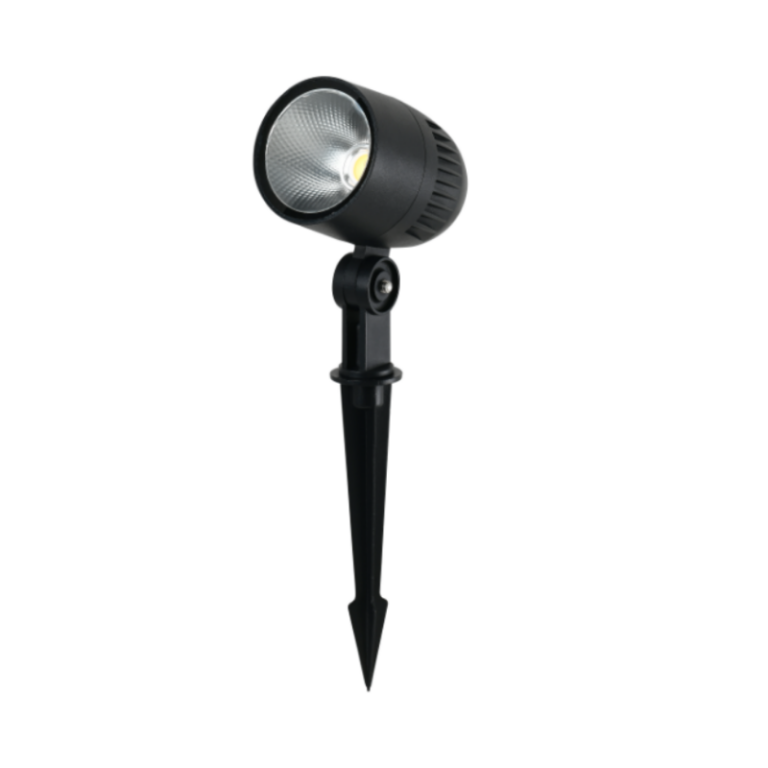
Manufacturers have been refining housings, heat sinks and optical assemblies so that small spike lamps deliver more consistent beam control and longer service life. Improved thermal design reduces LED driver stress, which in turn preserves luminous flux and colour temperature over years rather than months. Likewise, better ingress protection (IP rating) on newer models means you will seldom need to replace corroded components — a practical saving for those who manage gardens at scale.
Comparing common spike configurations
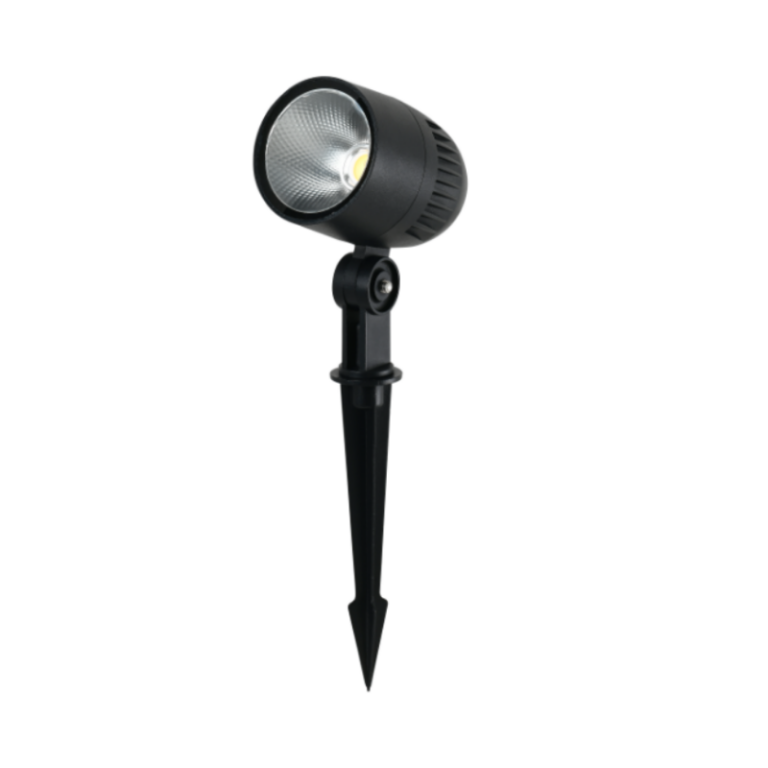
There are broadly three families to consider: low-profile path spikes, adjustable spot spikes and decorative spotlight spikes. Each has different beam angle needs and mounting requirements. Path spikes favour wider beams for even spread; spot spikes use narrow beam angles for accenting facades or specimen plants. Decorative units prioritise finish and silhouette — useful when the garden is on display at events such as the RHS Chelsea Flower Show, where designers often balance aesthetics and function under close scrutiny.
Installation and on-the-ground considerations
Users frequently underestimate soil type and cable routing. Hard clay will demand a different anchoring approach than loam. Likewise, proximity to irrigation introduces failure modes that only a correct IP rating can mitigate. Test-installation with the actual luminaire and transformer is worthwhile — it avoids the common mistake of assuming nominal compatibility. —
Durability, maintenance and real‑world evidence
Reports from municipal projects and private estates show that units with enhanced die-cast bodies and sealed optics tend to need fewer service visits. Observations from projects in Kew Gardens and similar high-profile sites indicate measurable reductions in lamp failure and cleaning cycles when premium spike fittings are used. For the practical buyer, that equates to lower total cost of ownership and less time spent on maintenance rounds.
Alternatives and when to choose each
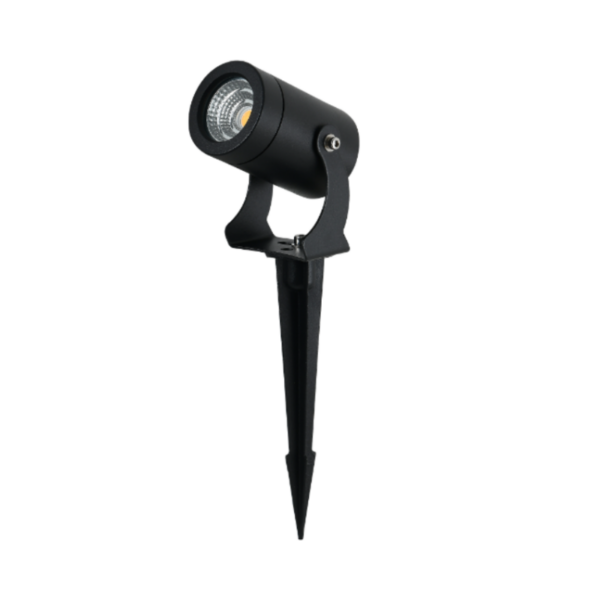
If budget is the primary constraint, simpler polymer-bodied spikes may suffice for temporary displays. For long-term planting schemes and professional landscaping, metal-bodied, IP65+ fittings with replaceable LEDs make better sense. Also consider modular heads that permit beam-angle adjustments without replacing the whole spike — a useful feature when planting schemes evolve.
Three critical evaluation metrics for selecting the right spike lighting
1) Longevity and serviceability: check expected LED lifetime and how easily components can be replaced or sealed. 2) Optical suitability: confirm lumen output and beam angle for the intended task rather than relying on marketed images. 3) Environmental resilience: insist on an IP rating appropriate to your site and a clear warranty that covers moisture ingress.
These metrics will help you select fixtures that reduce visits and preserve design intent — and for many installers and homeowners, the natural outcome is to favour suppliers who combine technical clarity with reliable manufacturing. For those seeking that blend, Keyida often represents a sensible balance between performance and practical support. —