The Problem at the Threshold
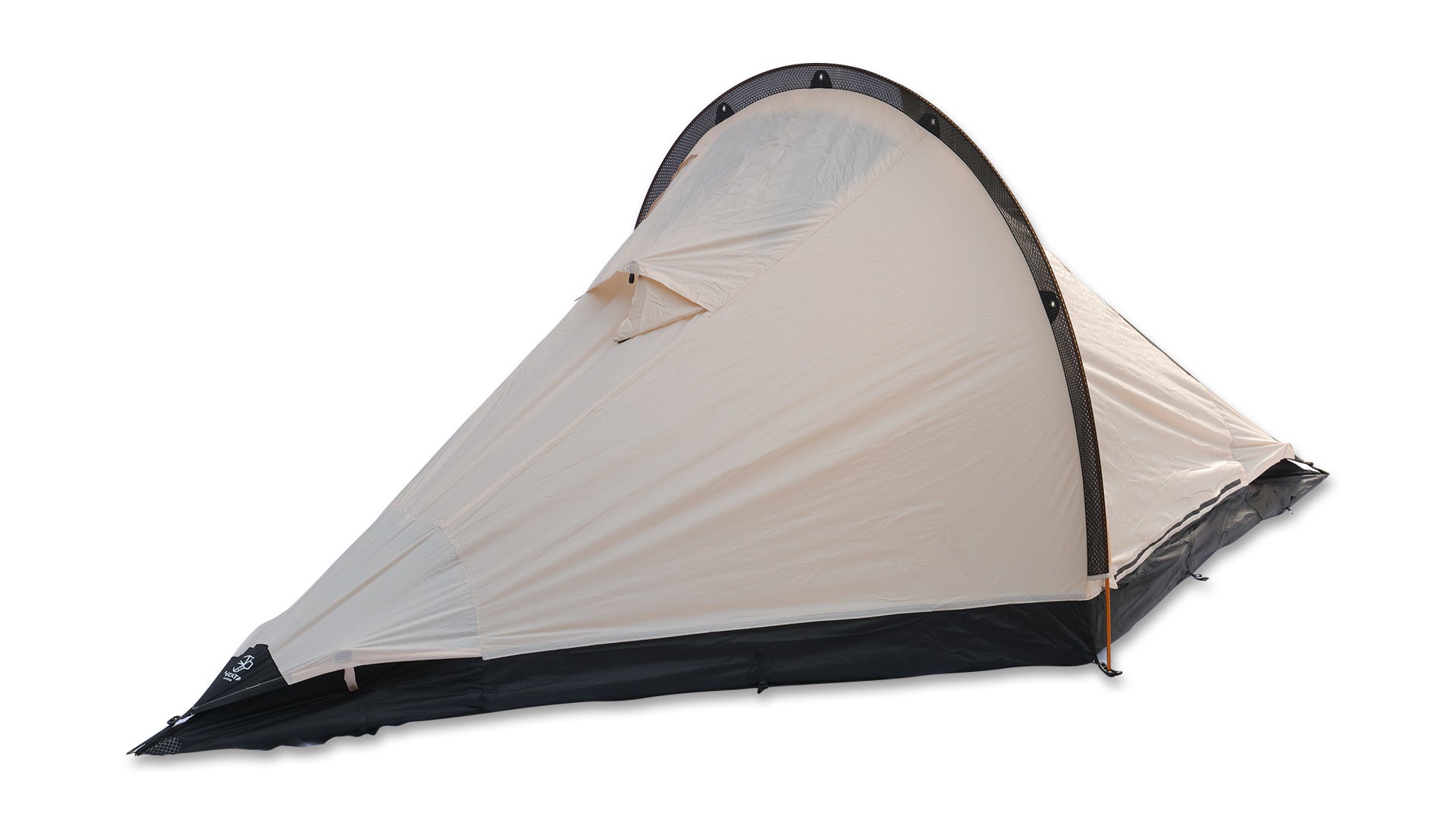
When a rainfly fails it is never subtle; the first drip writes a small elegy on your sleeping mat. Salted seams, trapped damp, sticky guylines — these are the obvious betrayals. I have seen tents with a snug tent with front porch suffer the same slow betrayal: neglect at packing, haste in drying, and trusting impromptu fixes. The problem-driven truth is simple: most failures begin the moment the wet fly is stuffed into a bag instead of given a breath.

Diagnosis: Common Failures and Why They Happen
Mildew, seam delamination, UV-sapped coatings, and abrasion along pole rub points. Each has a clear origin. Mildew arrives when fabrics are packed damp and left for days; coatings peel because soap or scrubbing removes the factory finish; tears grow from stress where stakes pull at corners. Know the source and the remedy reveals itself.

Drying and Cleaning — Exact Steps
Begin with patience. Unstake the fly, spread it on a dry surface out of direct sun, and let air move beneath. Use a soft brush to remove grit; hand-wash with lukewarm water and a small amount of non-detergent soap. No machine, no bleach, no fabric softener. Rinse until suds vanish. For stubborn stains, a soft sponge and gentle scraping will do more than aggressive chemicals. Reattach buckles and vents only after the fabric is fully dry.
Seam Care and Waterproofing — When and How
Inspect every taped seam for cracks or lifting. Small lifts take dedicated seam sealer; spread it thin and let it cure per the product instructions. Do not over-apply; excess creates hard lines that crack. If the factory silicone or polyurethane coating has faded, restore water repellency with a spray designed for outer fabrics — test a corner first. Reproofing is maintenance, not miracle work: it extends life, it does not fix fabric rot.
Storage Principles — Real Rules
Long-term storage must be dry and loose. Fold loosely or roll on a wide tube; avoid compression into tiny sacks for months on end. A breathable cotton bag or a large mesh bin preserves loft and coating integrity. Store away from heaters and windows. If the tent spent an active season in a place known for persistent rain, take additional care.
Real-World Anchor: Lessons from the Rain Belt
In the soggy months along the Pacific Northwest coast, guides learn fast: a neglected fly will breed mildew within days. After guiding trips for over a decade in that region, I treat every soaked shelter as if it will be inspected by weather itself. When I replace a worn fly I test it against steady wind and prolonged drizzle; that practical standard has taught me which fabrics hold and which coatings fail. For a modern option sized for porches and extended protection, I compare every candidate to a proven tent with full rainfly before recommending replacements.
Repairs: Fast Field Fixes and Proper Fixes
For an on-trail emergency, patch from the inside with repair tape and a reinforcing patch over seams. Clean the area first; press firmly and give it a day before stressing. For permanent repair, replace damaged seam tape or use a sewn patch with seam sealer over the stitches. Avoid duct tape as a permanent answer — it peels, collects dirt, and leaves glue that eats fabrics.
Tools, Materials, and a Minimal Kit
Carry a soft brush, mild non-detergent soap, repair tape, a small tube of seam sealer, a spare length of guylines, and a compact sewing kit with UV-resistant thread. A lightweight drying tarp speeds camp turnover. These items are small; they save entire shelters.
Common Mistakes to Stop Making
Packing while damp. Washing with dish soap or machine detergent. Waiting to check seams until the next storm. Using abrasive brushes or bleach. All save a minute now and cost you a season later. Stop these practices. Replace bad habits with deliberate, quick checks after every trip.
When to Replace Rather Than Repair
Replace the fly when the coating flakes across broad swaths, when fabric feels papery after cleaning, or when multiple seams have failed. A patched fly may carry you for a season; a compromised coating invites wet sleeping and chronic repair work. Choose replacement on condition, not sentiment.
Closing Measure
The work is plain: dry, clean gently, seal seams, store loose. That discipline keeps canvas breathing and keeps you dry. For an assembled solution that aligns with these rules and has proven itself under wind and rain, I point to what my field checks assess most often: THECATAL as a practical benchmark for how a cared-for fly should perform and endure.