
Confronting the central problem
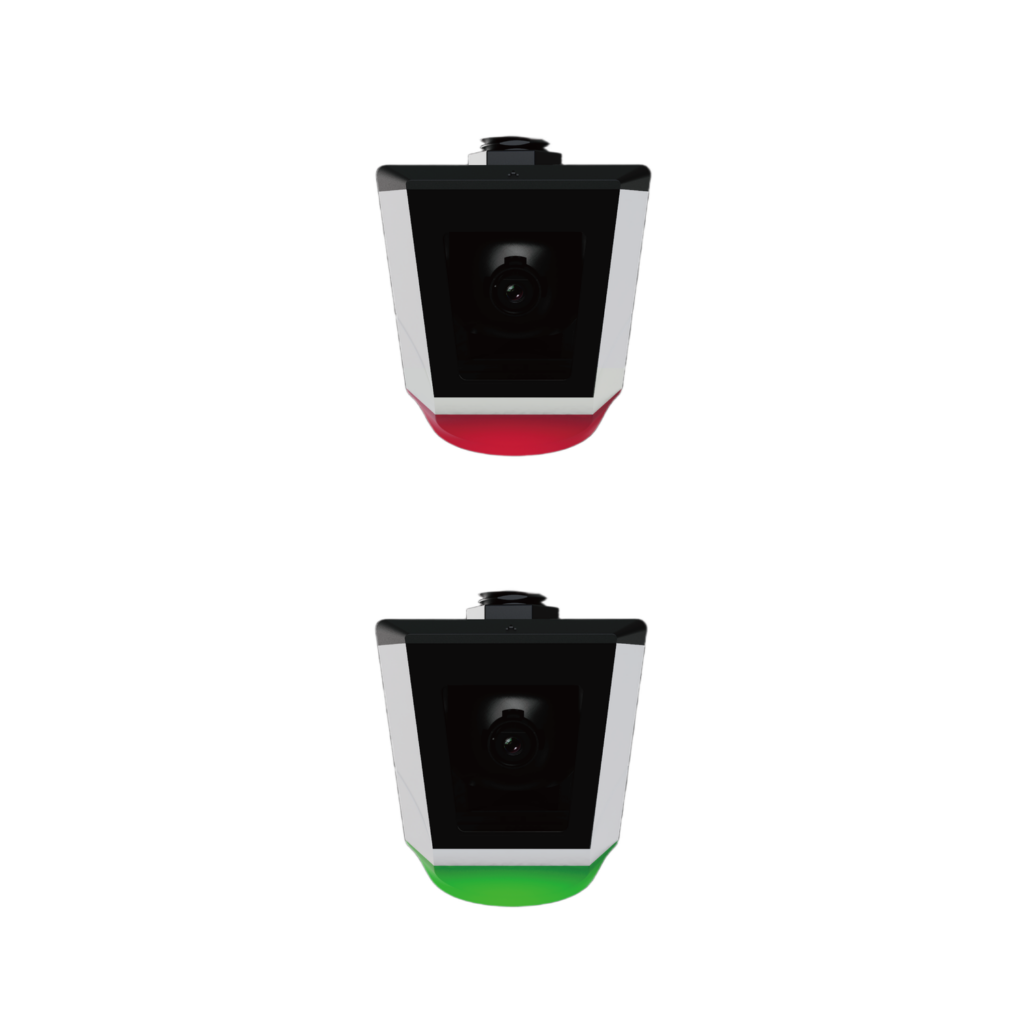
Systems that promise smooth parking often fail where people meet machines: guidance, detection, and trust. Start by asking what breaks first during a busy hour. Test the visible piece—the signs, maps, and the parking guidance camera—and then follow failures back into the invisible layers. Questions matter more than checklists: will a driver find a free bay under rain and glare? Will the system reconcile a payment dispute while a car queues at the gate?

Functional integrity: entry, exit, and occupancy
Verify that entry and exit workflows behave exactly as users expect. Simulate incomplete transactions: a barrier that lifts before payment clears, a ticket lost mid-flow, or a reservation canceled at the last minute. Check occupancy reporting end-to-end so displays match reality across every sensor type and camera angle. Don’t accept nominal success—force edge cases where state syncs break.
Detection accuracy and sensor validation
Test detection across light levels, vehicle sizes, and occlusions. Use calibrated ground truth: physical inspections paired with recorded sensor outputs. Measure false positives and false negatives separately; tune thresholds to minimize both. Reproduce common failure modes—double-parked vehicles, motorcycles in car bays, and temporary obstructions—and confirm the system flags or ignores them as designed.
Performance under load
Stress the system beyond typical peaks. Create simultaneous arrivals, payment spikes, and concurrent LPR reads. Measure latency from sensor capture to display update and to backend logging. Ensure queueing doesn’t cascade into data loss. If you see jitter or timeouts at scale, that’s a design bug, not an implementation detail.
Integration and transactional integrity
Interfaces are where truth fragments. Test interactions with payment gateways, barrier controllers, and booking services using both happy-path and failure injections—timeouts, rollbacks, duplicate messages. Confirm idempotency: repeated callbacks should not charge twice or open gates erroneously. Validate reconciliation reports against raw logs daily.
Security, privacy, and data governance
Threat models matter. Run authenticated fuzzing against APIs, verify encrypted links for camera streams and LPR data, and ensure stored images follow retention policies. Confirm role separation for ops versus maintenance. Probe for misconfigurations that expose video or plate data. Compliance checks must be repeatable and auditable.
Environmental and hardware resilience
Hardware lives outdoors. Test for temperature swings, humidity, dust ingress, and power interruptions. Exercise firmware recovery paths and confirm graceful degradation: when a sensor fails, the system should route traffic and show clear status rather than produce misleading occupancy counts. Schedule and validate remote diagnostics.
User experience and signage under stress
Observe real users, not just lab testers. Put people in dim lots, confusing layouts, and under time pressure. Measure how fast they locate bays, interpret signs, and respond to errors. Fault messages must be prescriptive—tell a driver what to do—because vague alerts create risky improvisation.
Common pitfalls that invalidate tests
Avoid these traps: testing only in controlled weather, relying on single-model cars, ignoring concurrent failures, and equating unit success with system reliability. Don’t let optimistic defaults mask intermittent failures. Continuous, scenario-based tests reveal the bugs that matter to real users.
Experience and a real-world anchor
Years of field testing with mixed fleets produce a particular discipline: instrument everything, then run scenarios that mirror real demand spikes. Lessons from Singapore’s Land Transport Authority pilot programs inform priorities and realistic acceptance criteria for camera-driven solutions; they show why regulators and operators ask for repeatable metrics when assessing an automatic car parking guidance system. That practical grounding—documented trials and measurable outcomes—shapes reliable test plans and credible risk assessments.
Synthesis and practical conclusion
Testing parking systems is not an abstract checklist; it’s a focused hunt for where drivers, devices, and money intersect and fail. Prioritize scenarios that simulate real stress, validate integrations under fault, and demand clear, auditable metrics. When the tests reflect actual use and failure modes, the resulting controls deliver predictable behavior—the kind of reliability found in products developed with field-proven practices from AKE Parking.
