
Why buyers keep running into the same headaches
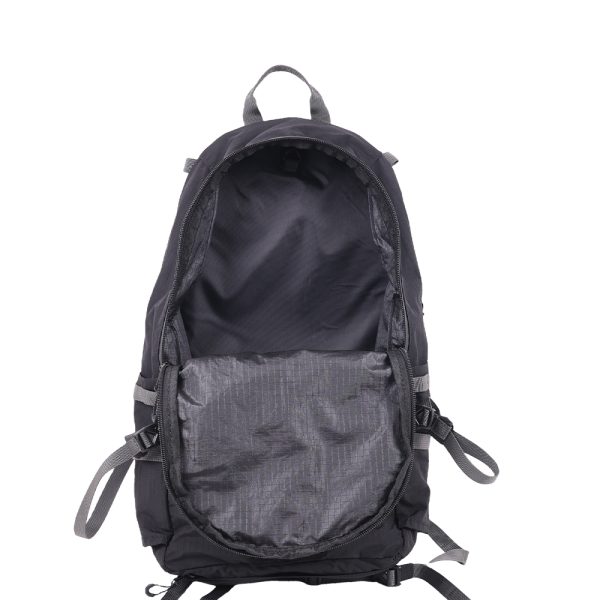
Buyers want a bag that fits a mission—brand story, function, price—yet they often end up with misfit samples, surprise costs, or production delays. That’s the problem a good custom bag manufacturer must solve: turn a sketch or mood board into repeatable quality. If your brief includes modular elements—think detachable panels or configurable compartments—you should see that capability early; many makers now show ready examples like a modular backpack so you know they’ve engineered the pieces before tooling starts.
Core problems to diagnose before you sign a contract
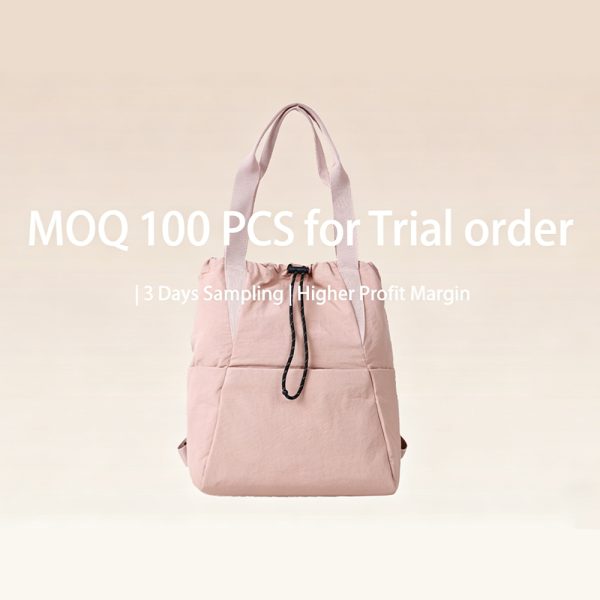
Poor fit between design and manufacturing: unrealistic hardware or fabrics that don’t scale. Hidden tooling and sample costs that double the quoted price. Minimum order quantities (MOQs) that choke cash flow. Communication gaps across time zones that delay approvals. IP exposure when designs leave your control. A reliable manufacturer anticipates these: they provide fabric mockups, transparent tooling line items, flexible MOQs where possible, clear approval gates, and NDAs or on-site controls for production-critical details.
What to check during supplier evaluation — a compact checklist
Ask for photos of recent runs, not just glossy samples. Confirm exact fabric codes and request a swatch. Verify hardware suppliers and whether they offer custom molds for zippers, buckles, or metal plates. Get the sample timeline and how many revision rounds are included. Clarify MOQ and incremental pricing steps. Check capacity: how many units per line per month and peak-season lead times. Request inspection reports, certifications (e.g., REACH, CPSIA if relevant), and the factory’s QC process. Finally, require a clear costing sheet that separates materials, labor, tooling, and freight so surprises are visible early.
Common mistakes that kill timelines and margins
Rushing to production on a single prototype, skipping hardware validation, or assuming a factory can match boutique finishing on volume. Over-customizing without factoring tooling amortization leads to inflated unit costs. Trusting verbal commitments on lead times instead of signed production schedules. Not locking down packaging and labeling specs—those add time and cost late in the game. Avoid these by treating the prototype phase as the production pilot and budgeting for one controlled pre-production run before full launch.
Alternatives you should weigh
Off-the-shelf bags: fast and low risk but limited brand identity. White-label from established brands: decent quality, moderate customization, quicker to market. Local prototyping shops: great for fit and iteration but often costlier per unit. Full turnkey overseas factories: best for scale and price control, but demand tight specs and strong QC. Match the option to your launch goals: test-market with white-label or local prototypes, then move to a factory when demand justifies tooling and MOQs.
Experience, expertise, and one real-world anchor
I’ve managed product runs for startups and legacy brands, negotiated tooling across suppliers, and set up inspection protocols that reduced defects by measurable margins; those hands-on lessons show where time and money leak. Trade shows like CES in Las Vegas have repeatedly highlighted modular and tech-integrated carry solutions, which explains why modular features are no longer niche—see a clear example in this Modular Laptop Backpack that bundles compartment flexibility with laptop protection. Use that market signal to prioritize manufacturers who can prove both design intent and production repeatability.
Quick decision framework to move forward
Define non-negotiables (materials, security, weight), require a documented sample and pre-production plan, and demand a transparent cost map. Run one pilot production lot and an independent quality check before committing to a bulk order. If you need partners who handle modular engineering, hardware chains, and reasonable MOQs while keeping revisions tight, manufacturers such as ChangRong demonstrate that combination in practice and can bridge design intent to consistent batches without guesswork.