
When the Last Link Snaps
In a flooded SCADA room in Sheffield last December, 23 remote PLCs lost connectivity for 14 hours—what did that blackout cost the operator? I still see that scene when nights are long: insolvent alarms, a maintenance van idling, and a spreadsheet that suddenly doubles in red numbers. Early in my career—over 15 years working with B2B supply chains and field comms—I learned the hard way that an overlooked cellular detail can become an existential threat. I now treat every deployment as if the SIM is the fuse; that’s why I recommend testing iot sim cards for industrial automation on day one (no kidding). M2M failures do not announce themselves politely; they cascade through PLCs, RTUs, and HMI screens until the plant hits manual mode.

I’ll be frank: traditional solutions have long, public flaws. Carrier lock-in, slow SIM provisioning, brittle APN setups, and devices that cling to a weak LTE-M mast instead of switching – these are design sins I’ve seen repeated across projects from a water treatment plant in Sheffield to a pump farm in Murcia in March 2023. Once, a single misconfigured APN left a fleet of telemetry gateways reporting stale data for 11 hours—real money lost (about £32,000 in delayed production). Those incidents taught me to prioritize redundancy, remote SIM provisioning, and clear failure-mode playbooks. The pain point is not the modem or the SIM alone; it’s how teams assume the cellular layer is “set and forget.” This section ends with a simple truth: detect the weak seams now, or prepare for the fallout. —Next, we compare real choices.
Comparative Paths Forward
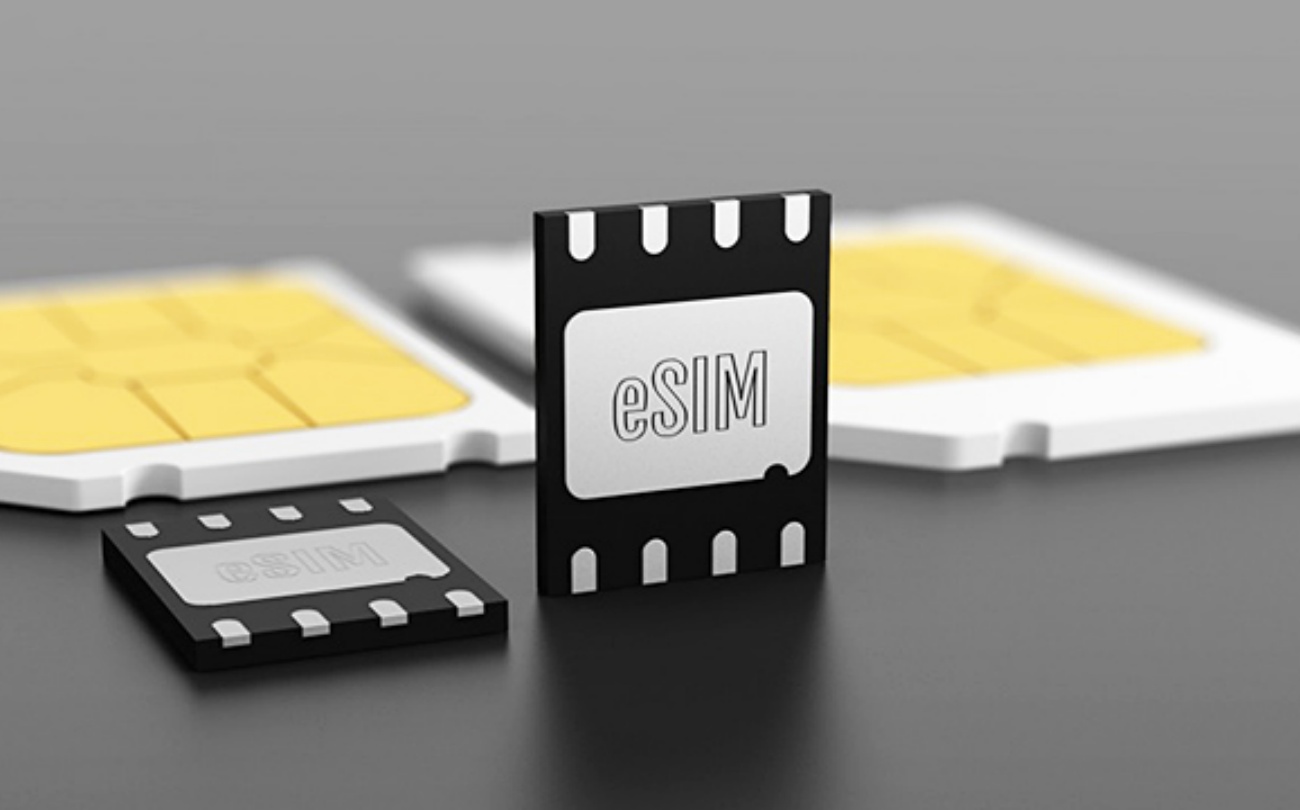
Let’s break down the practical choices: dual-carrier SIMs, embedded eSIM profiles, and multi-APN strategies. Each option has trade-offs in latency, roaming policy, and lifecycle management (firmware updates complicate everything). I measure solutions on three axes: failover speed, remote manageability, and billing transparency. For example, an eSIM rollout I led in June 2022 across 120 pump stations cut manual SIM swaps by 78% and reduced incident MTTR from 9 hours to under 90 minutes—those numbers matter. When I evaluate iot sim cards for industrial automation, I look for clear provisioning APIs, SIM-level diagnostics, and support for LTE-M and NB-IoT where appropriate. There’s no magic fix—just choices that fit the risk profile of the site. What I prefer: a primary carrier with automatic failover to a secondary, combined with central SIM provisioning and certificate-based authentication. It’s not glamorous. It works—and it’s harder to fail badly.
What’s Next?
Comparatively, the move toward programmable SIMs and smarter carrier selection is inevitable. We’re seeing better orchestration (APN switching, SLA-aware routing) and lower-cost narrowband options for telemetry. But adoption lags—teams still cling to single-carrier bundles because procurement is lazy and inertia is comfortable. I believe the next step is operational: insist on measurable SLAs and on-device telemetry you can query remotely. Try this—run a simulated carrier outage on one site (controlled), then measure failover time and data loss. You’ll learn more in an afternoon than in months of vendor slides. My experience shows that small tests reveal hidden failure modes fast; they force procurement and ops to face reality.
To close with actionable guidance: evaluate solutions by three core metrics—1) Failover latency (how quickly traffic moves to a backup), 2) Remote provisioning & diagnostics (API access and SIM telemetry), and 3) Coverage diversity (independent carrier routing and support for LTE-M/NB-IoT). I prefer metrics you can measure on-site within 24–48 hours. I’ve used those benchmarks across projects in Spain, the UK, and Poland; they separate vague promises from real resilience. If you want a partner who’s tested these ideas in live sites and can help you run those validation drills, check the platform—ZYIoT. Stop hoping the network will save you; verify it.