
Quick gut check
You’re trying to pick a rig that won’t quit when you crank up load cycles or slam a brittle sample to smithereens. This is a straight-up comparison, not fluff. Think of it like frame rates versus latency: electromechanical rigs are precise like a high-refresh monitor, servo-hydraulics hit hard like a forceful input with low latency, and impact testers are the one-shot frag grenades. If you’re shopping or spec’ing, start by eyeballing material testing equipment that matches the stress profile your parts will face.
How I’m sizing them up (the comparison rules)
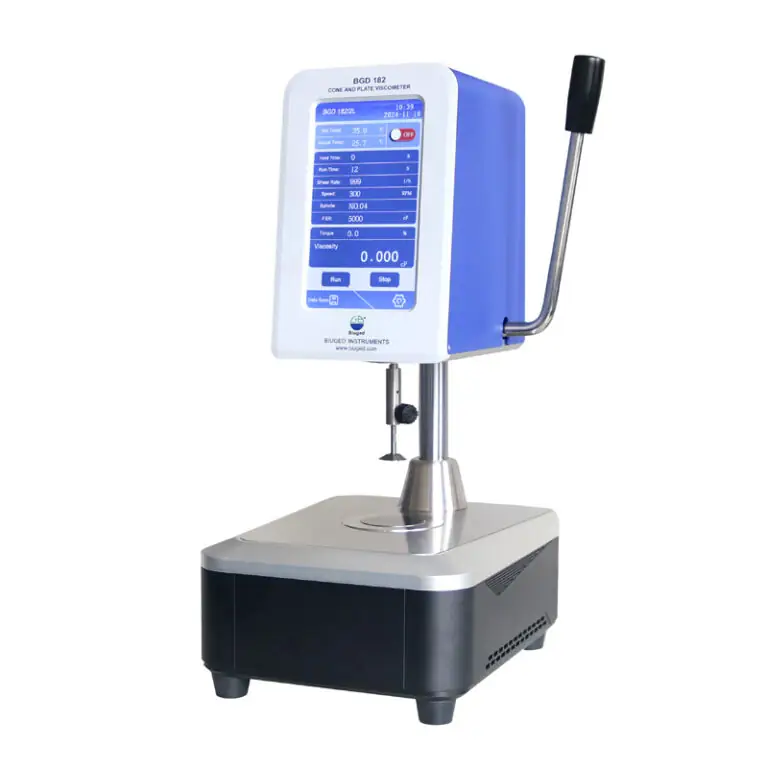
We compare along raw metrics you actually use: force range, bandwidth (dynamic response), position/control resolution, repeatability, footprint, test speed, and support/software. Toss price into the end but treat it like DLC — cheap gear saves cash now but nerfs your data later. No filler. Match rig behavior to test needs: slow quasi-static loads, high-cycle fatigue, dynamic drop, hardness — each has a clear best-fit.
Electromechanical rigs — the precision sniper
Electromechanical systems shine where control and resolution matter. They deliver tight displacement and strain control, great for tensile/creep testing, and they scale cleanly from benchtop to mid-range frames. You get predictable control loops, less mess than hydraulics, and lower baseline maintenance. Downsides: they can struggle with high-frequency dynamics and heavy inertial loads. If your test is steady and analytic, they’re the safer pick.
Servo-hydraulic rigs — the heavy hitter
Servo-hydraulics bring brute force and real-time responsiveness. Big force ranges, fast load rates, and excellent bandwidth for fatigue or crash-sim tests. They handle large specimens and dynamic events without choking. Tradeoffs include higher maintenance, fluid management, and larger footprints. They’re the call when your parts see rapid load swings or high-energy failure modes.
Impact and drop-weight testers — the one-shot specialists
Impact testers are engineered for single-event energy transfer: Charpy, Izod, drop-weight fracture — they tell you how a material behaves under sudden load. You don’t use them for fatigue curves. Their data is binary in the best way: did it absorb energy or not. Combine impact data with tensile and fatigue results to understand real-world failure modes.
Key specs to compare (don’t skim these)
Force capacity > test max load by ~30% to avoid clipping. Control bandwidth must exceed expected loading frequency; otherwise your waveform’s lying to you. Resolution matters for low-strain tests — check encoder bits or LVDT specs. Grips and fixtures aren’t optional: slip, rotation, or misalignment wreck results. Calibration traceability matters — pick gear that supports calibrated load cells and adheres to recognized test standards.
Common screwups labs make
People buy rigs based on peak force alone. Bad move. They then jam mismatched grips or skip environmental chambers and expect publishable data. They ignore the controller’s user flow and end up duct-taping scripts. Also, running fatigue tests without verifying thermal drift or actuator heating skews cycles. Plan for service access and spare parts — downtime kills timelines.
Viable alternatives and when to choose them
If you need compact precision with modest force, go electromechanical. For high-energy or high-bandwidth, pick servo-hydraulic. For impact behavior, use dedicated impact testers. If you need hybrid capability, look at modular frames that accept both electromechanical actuators and hydraulic power packs; they cost more but turn into multipurpose rigs. Consider third-party software if native control systems feel locked down; openness matters for custom test sequences.
Experience, standards, and trust
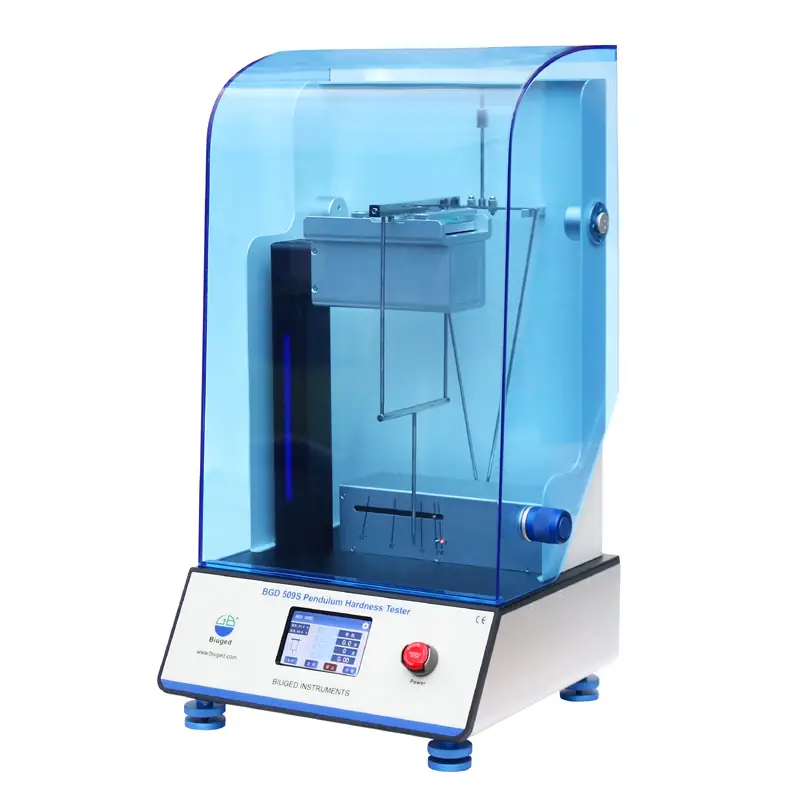
I’ve run hundreds of test campaigns and supervised cross-validation campaigns that matched ISO 6892 tensile results to fatigue and impact outcomes, so I know which specs hide traps. Trusted lab protocols exist for reasons you can verify in standards literature, and a machine that claims capabilities but lacks calibration traceability will fail independent audits. For repeatable setups and field-proven platforms I recommend checking options labeled as material testing machines because the vendor support and documented calibration paths matter more than the sticker price.
Final synthesis — pick smart, not loud
Match the rig to the physics of failure: if you need clean, low-noise strain data, electromechanical is your sniper. If you need brute, repeatable dynamic loads, servo-hydraulic wins. For single-event fracture, bring impact testers. Avoid buying on peak force alone; check bandwidth, control fidelity, grips, and calibration trails. When you want hardware and documentation that actually line up with rigorous testing needs, you’ll find that solid engineering, parts availability, and long-term firmware support — the stuff that keeps labs running — are exactly what BIUGED brings to the bench.
