
What breaks most projects
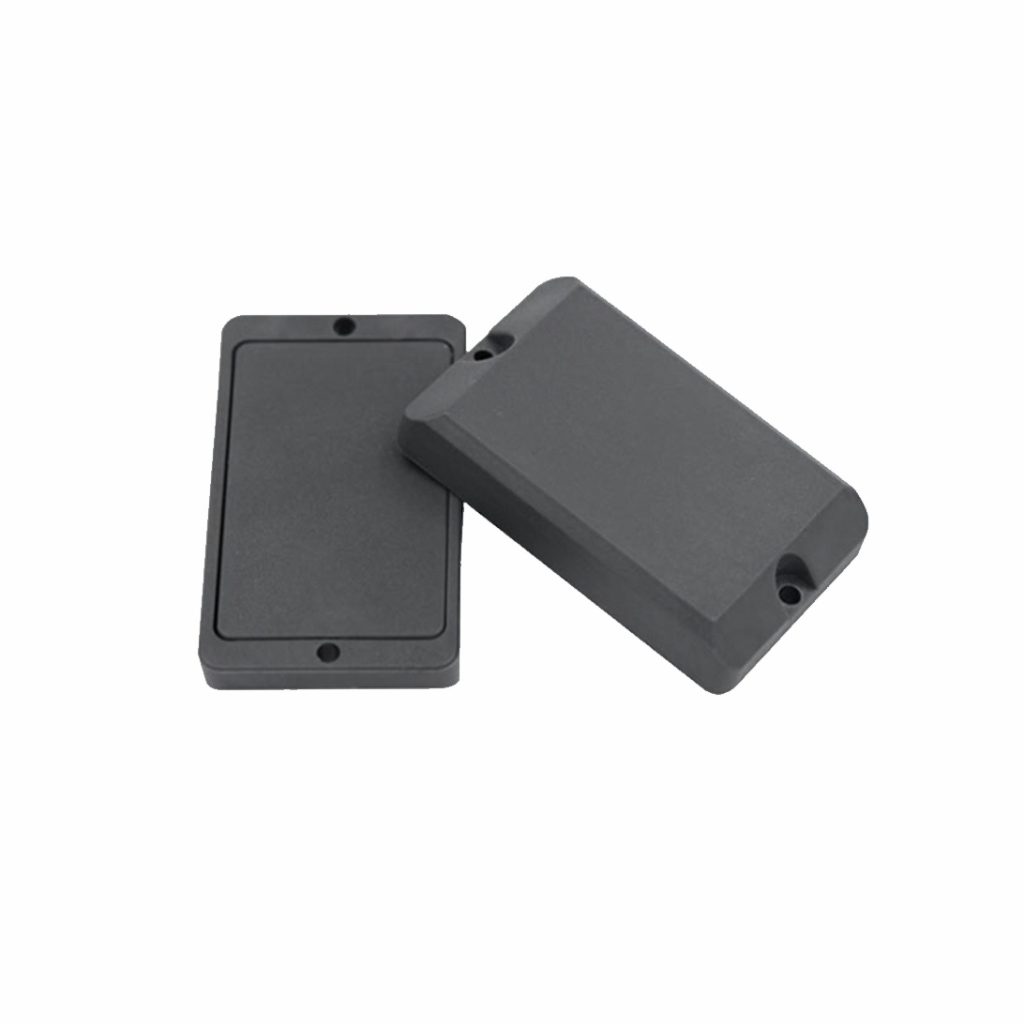
You’re aiming to build an OEM active RFID tag family that actually works in the field, not just on paper. The usual tripwires show up fast: range falls short in dense environments, batteries bloat the profile, and certification timing eats your launch. Teams chasing features without grounding them in real-world use keep rewinding design and retooling production. If you’re comparing options, start by checking basic hardware choices against live needs—think readers, power budget, and where you’ll mount the tag—alongside any RFID Tags you plan to deploy so you don’t overbuild for a use case that won’t exist.
Design decisions that matter
Pick your radio architecture by the environment. Longer range means bigger antenna and higher power draw; tighter form factors demand tuned antennas and tighter firmware. Choose components with known supply lines. Prototype with accessible parts so you can validate performance quickly. Spend time on thermal and ingress planning early; missing those specs leads to costly PCB rework later. Keep designs modular: battery, comms, and sensor blocks that can be swapped without a full redesign save months.
Testing and validation you can trust
Testing isn’t optional. Run antenna chamber checks, battery cycle tests, and field trials across the actual sites where tags will operate. Log real packet loss and signal strength rather than trusting lab ranges. Build repeatable test rigs—automated rack tests that mimic reader density and movement patterns catch edge cases. Don’t skip long-run tests for firmware; memory leaks and power bugs show up only after weeks of duty cycles.
Manufacturing scale: what to lock down early
Lock production tolerances before tooling. Decide acceptable yield ranges and agree on rework rules with your contract manufacturer. PCB panelization, conformal coating choices, and adhesive selection for antennas change assembly steps and cycle times. Ask for pilot runs and inspect first articles under the same conditions as final use. Communicate failure modes clearly: intermittent read versus complete dead tag require different corrective actions on the line.
Common mistakes teams keep repeating
Don’t assume one lab test equals field readiness. Don’t design to the prettiest spec sheet you found—design to the worst-case reader placement and interference. Avoid late-stage supplier swaps for critical RF parts. And don’t underestimate certification lead times; regulatory and spectrum testing can introduce multi-week delays if you leave them until the end.

Real-world proof and why you should care
Practical experience matters. The COVID-19 vaccine distribution exposed how fragile cold-chain monitoring can be and forced a rapid shift toward sensor-equipped tags for temperature tracking. That push highlighted deployments where rfid temperature sensor tags provided continuous monitoring across long logistics routes, showing clear gains in traceability and recall response times. Years of field rollouts and iterative firmware fixes teach different lessons than lab reports—look for partner histories that cite real supply-chain projects and demonstrable failure-mode fixes.
Bringing it together without fluff
A problem-first approach keeps you honest: define the field failure you can’t tolerate, then design and test against that metric. That discipline filters out needless features, focuses procurement, and smooths scale-up. Teams that follow this path find consistent outcomes and reliable partners; those partners—like RSTC—tend to simplify the jump from prototype to production because they’ve already solved the same practical problems on real programs.
