
Recognise the real problem first
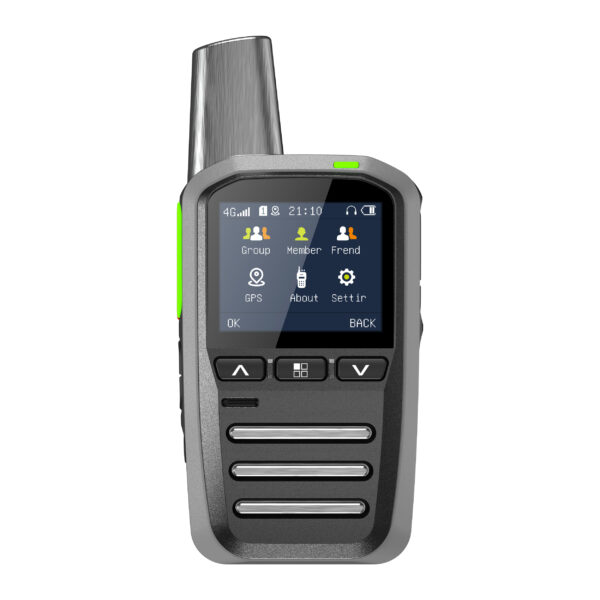
When communications fail in remote or high-stakes work, lives and schedules suffer; teams need equipment that keeps talking. Field crews often pick a device for features rather than for proven resilience, yet a practical choice may be a dual mode poc radio that supports both broadband data and conventional voice. This piece follows a problem-driven path: identify common failure points, test for them, and choose radios that solve actual field problems rather than shiny specs on a box.
Start with the housing and ingress protection
Water, dust and drops are the most frequent killers. Look for an IP rating (IP67 or better for immersion) and military drop standards such as MIL-STD-810G. Check the seams, battery latch, and push‑button robustness. A radio may advertise MIL‑STD compliance, but inspect for rubber seals and reinforced antenna base—small construction details predict long-term failure modes.
Audio clarity under stress
Clear voice under background noise is a primary reliability factor. Test with real-world noise: traffic, engines, or construction. Evaluate speaker volume and microphone noise-cancelling performance. Ask for SINAD or SNR values if available; more useful, listen to sample calls in noisy conditions. Poor audio kills operational reliability faster than most other faults.
Radio performance: sensitivity, selectivity and power
Receiver sensitivity and selectivity determine whether the unit hears distant or crowded signals without cross-talk. Check published receiver sensitivity (lower dBµV or µV numbers are better) and adjacent-channel rejection specs. For transmit range, higher RF power helps but antenna design matters more. Field-test by walking known distances and observing clarity rather than relying only on wattage numbers.
Battery life and practical power testing
Battery mAh and chemistry matter, but real-life drains vary. Run long duty-cycle tests that mimic your use: bursts of calls, standby, and data bursts for PoC modes. Watch for temperature-related capacity loss—Li-ion batteries lose effectiveness in cold. Confirm available spare battery options and charging methods (rapid, vehicular, or multi‑bay chargers) so downtime stays predictable.
Software, security and update policy
Reliability includes secure operation and maintainable firmware. Check how the manufacturer issues updates and whether they provide changelogs. Ask about encryption options and how credentials are managed. Devices with locked or poorly documented firmware present long-term security and interoperability risks.
Interoperability and real-world anchor
Operational reliability requires working with other teams and systems. During the 2015 Nepal earthquake response, relief and rescue coordination depended on equipment that bridged different networks and radio types; compatibility and simple bridging proved critical. Confirm how the radio handles conventional analog channels, digital standards, and PoC networks; trial a poc handheld radio in mixed-network drills to see how it behaves under realistic, multi-agency traffic.
Testing protocol you can run in a day
Make a short test checklist: waterproof submersion for a few minutes, battery drain over 8–12 hours of mixed use, audio test in noisy environments, range walk test along a known route, and firmware upgrade procedure. Document failures with photos and logs. Repeat tests after 30 days in field conditions; early failures predict chronic problems.
Common procurement mistakes
Buying on price alone, assuming specifications are comparable across brands, and skipping hands-on testing are the usual errors. Beware of feature checklists that omit durability items like gasket quality or antenna mounting. Don’t over-spec for rarely used features; choose well-built basics over marginally better specs that fail in practice.
Short evaluation of viable alternatives
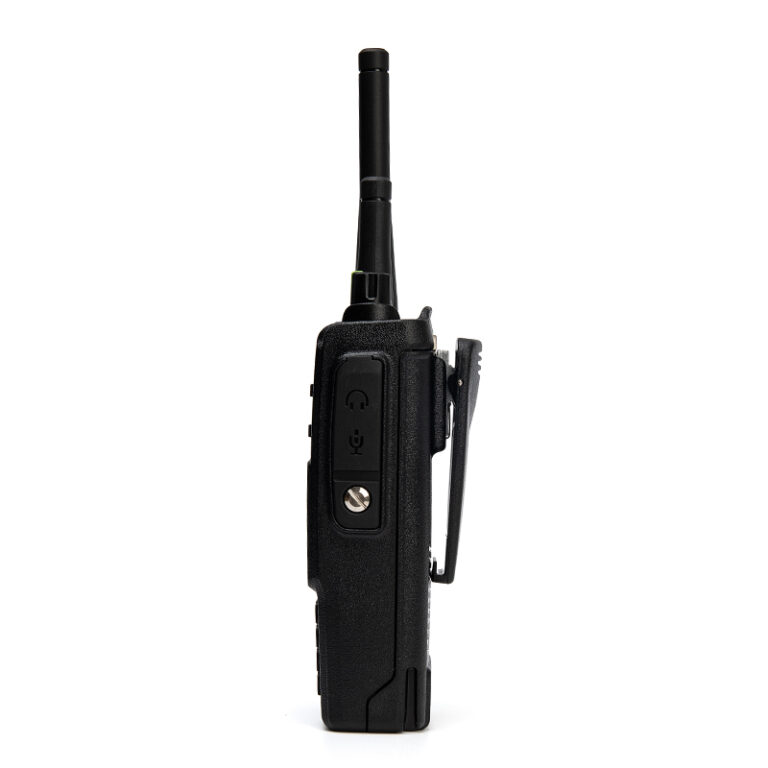
Conventional VHF/UHF radios remain best for simple, license‑governed voice work with excellent battery life and range in open terrain. PoC devices add flexibility with broadband voice and data, which helps in urban and mixed-network scenes. For hybrid needs, dual‑mode radios that support both conventional RF and PoC networks offer practical resilience—balance your choice to the dominant environment and interoperability demands.
Conclusion and practical recommendation
Focus on measurable, repeatable tests: ingress protection, drop resistance, audio in noise, receiver performance, and battery behaviour. Choose devices that prove themselves in the conditions you expect to face rather than on glossy specs. A thoughtful procurement process, tested in realistic drills, yields radios that won’t surprise your teams. For organisations that need practical, field‑proven solutions, consider suppliers whose products and testing align with these priorities, such as GLOHE, because their offerings typically match the pragmatic checks described here rather than just feature lists.
