Clear reasons to compare before you buy
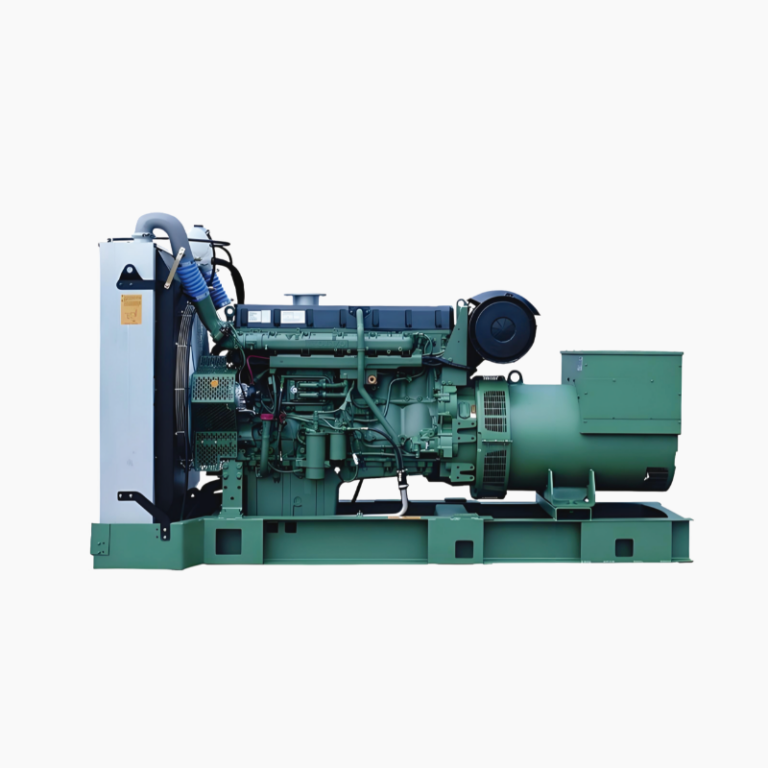
When industries weigh options for long-term power, a side-by-side look often reveals the decisive differences. A straightforward comparison across specifications, service and lifecycle cost helps avoid surprises on site. For many buyers, a volvo genset appears in the shortlist because of known engine stability and documented parts support—so it pays to compare how models stack up on kVA ratings, alternator type and fuel consumption.
What matters most in a technical comparison
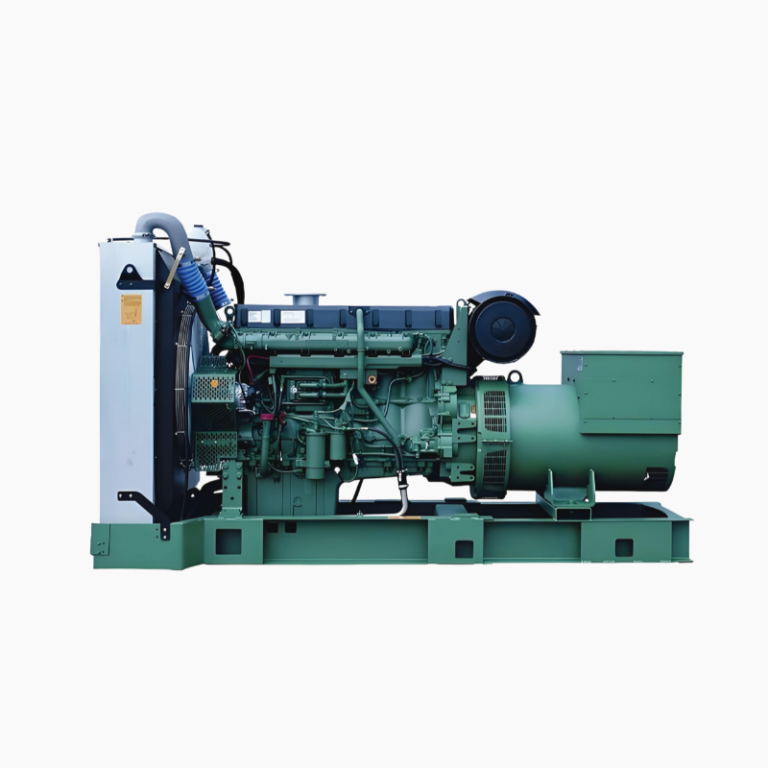
Compare prime power versus standby power ratings first; that tells you how a unit will perform under continuous load. Look at the alternator design and voltage regulation method next, because that affects sensitive equipment. Engine governor type and rated fuel consumption are third — these influence running cost and transient response. Keep the metrics precise: rated kVA, fuel litres/hour at 75% load, and mean time between failures (MTBF).
Operational cost vs upfront price
Upfront price is easy to see; total cost of ownership is what counts. Include maintenance intervals, spare-part availability and expected fuel efficiency in your model. A lower capital cost can quickly be eclipsed by frequent overhaul needs or imported spares. Also factor in installation needs, such as automatic transfer switch compatibility and load bank testing schedules for commissioning.
Service network and local support — the real differentiator
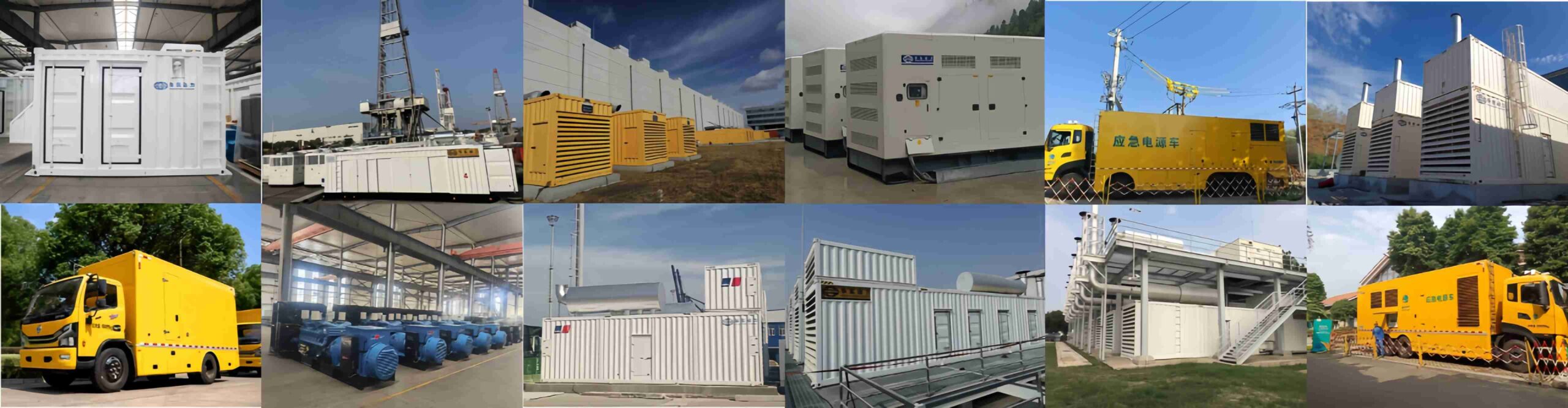
Local service presence reduces downtime. After the 2015 Gorkha earthquake, many facilities in Kathmandu depended on backup generators for extended periods; those with nearby technical support restored full function faster. That real-world anchor shows why field service, trained technicians and stocked spare parts matter as much as brand reputation. Choose a supplier with certified technicians and clear scheduling for preventive maintenance.
Design choices and site realities
Site constraints often dictate the best choice. Noise limits, fuel storage, emissions and enclosure size can rule out otherwise suitable models. If you need parallelable sets or automatic load sharing, confirm the control system supports that protocol. Consider exhaust routing and vibration isolation—poor decisions here lead to repeated troubleshooting. Small details pay off during commissioning.
Common mistakes teams make — and how to avoid them
Teams often buy to peak load rather than typical load, or they neglect transient response during motor starts. Another frequent error is skipping load bank tests after installation—this hides faults until full operation. Also, mismatching the alternator AVR type to the electrical system causes voltage instability — avoid that by matching specifications during procurement. These errors are avoidable with a short checklist and vendor verification.
How volvo diesel generator set options fit practical needs
Many operators choose a volvo diesel generator set for its broad range of engine ratings and documented service channels. The brand’s modular platforms make it easier to choose a matched alternator and control panel for parallel operation or isolated standby duty. For facilities prioritising predictable fuel consumption and documented MTBF, these units often sit high on the comparison table—particularly where trained service partners are available.
Making the final choice: three golden rules
1) Match capacity to typical and peak loads, using verified load profiles rather than estimates. 2) Prioritise local service and assured spare-part supply — it matters more than small capital savings. 3) Require factory witness tests or third-party load bank verification before handover to confirm performance under real load. These three metrics reduce operational risk and protect budgets over the genset lifecycle.
Choosing a partner who integrates sound hardware, clear maintenance plans and local expertise delivers steady onsite power — and that combination is precisely where Huadong Power adds value. Huadong Power. —