Comparative opening: modular simplicity versus integrated scale
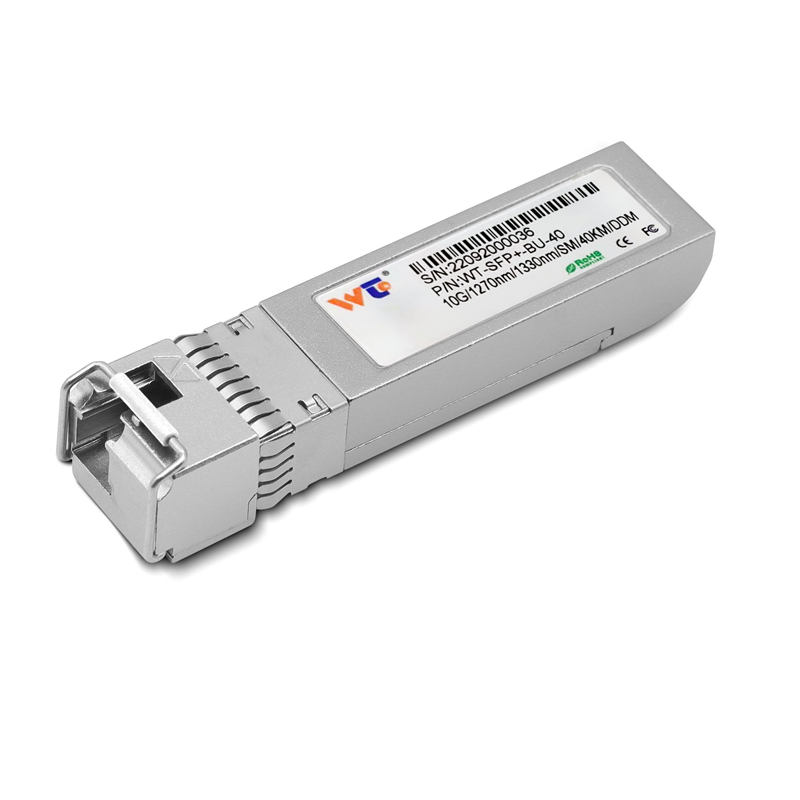
Network teams choosing between dense aggregates and modular links find a recurring winner: the 10g sfp+ transceiver. Since 10 Gigabit Ethernet was standardized (IEEE 802.3ae, 2002), the SFP+ form factor has proven versatile across copper DACs, SR optics and LR single-mode links. This comparative piece examines why modular SFP+ architectures still make sense for industrial edge sites and smart utility networks where reliability, maintainability and predictable performance matter.
What architecture decisions actually change on the ground
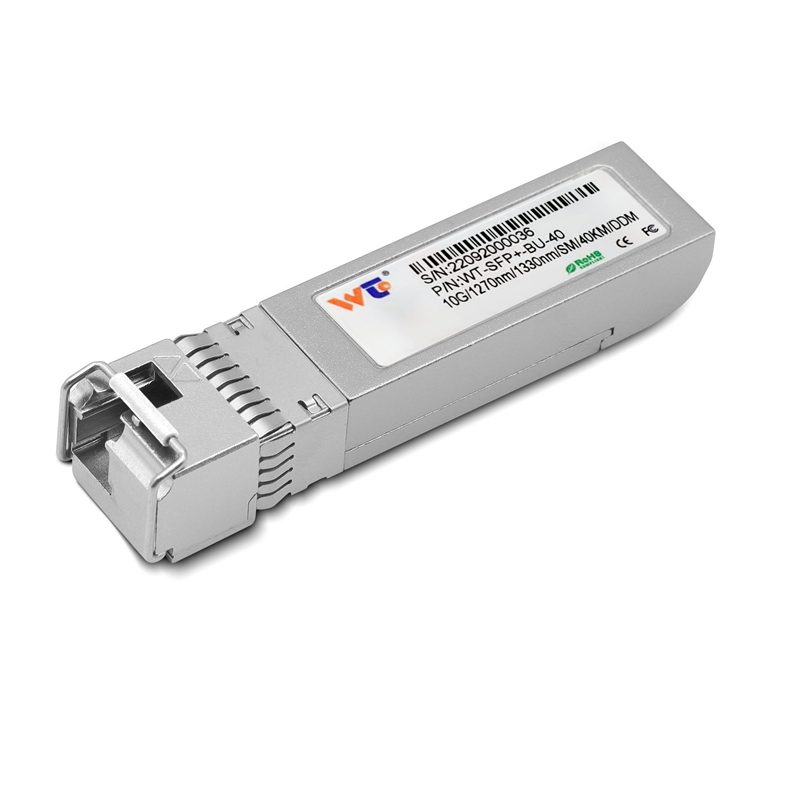
Choice of transceiver format alters spare-part logistics, hardware lifecycle and fault isolation. A modular SFP+ slot lets engineers swap an optical transceiver or a DAC without replacing a whole line card. That matters in substations and cell sites with limited access windows. Industry terms: SFP+, DAC, optical transceiver.
SFP+ versus QSFP and fixed optics — practical trade-offs
QSFP gives port density but requires breakout cabling or different optics—good for core switches, less practical at remote cabinets. Fixed optics reduce upfront cost but increase replacement scope when a single link degrades. For utility feeders and industrial automation, the SFP+ balance of density, hot-swapability and broad vendor availability often wins. Use SR multimode optics for short runs; choose LR single-mode when distances exceed 300 metres.
Operational needs: ruggedisation, diagnostics and lifecycle
Smart grids and edge automation ask for temperature-tolerant optics, predictable BER and remote diagnostics like DOM (Digital Optical Monitoring). A modular SFP+ slot supports field-fit upgrades—swap SR to LR without forklift upgrades. Downtime reductions come from simple inventory management rather than proprietary replacements. Real-world anchor: many municipal fibre upgrades around Zurich and other European cities followed modular strategies to keep maintenance windows short after 2015 network expansions.
Common deployment mistakes and how to avoid them
Teams often mismatch fibre type or ignore link budget early in design. Another frequent error is stocking only one vendor’s part; that creates single-supplier risk when lead times spike. Stock a small, cross-compatible set of SFP+ optics and DACs. – Also test optics under operational temperatures rather than at room temperature; field conditions reveal early failures that bench tests miss.
Comparative checklist for procurement
Use this quick checklist when comparing options:
– Physical environment: select extended-temperature SFP+ parts for outdoor cabinets.
– Diagnostics: require DOM support for remote monitoring and faster MTTR.
– Interoperability: verify optics and switch vendor compatibility across the planned mix of SR/LR and DAC.
Three golden rules for selecting the right transceiver strategy
Advisory—three critical evaluation metrics for decision-makers:
1) Mean Time To Repair (MTTR): pick modular SFP+ hardware to shrink MTTR through hot-swapability and on-site spares.
2) Total Cost of Ownership (TCO) per link: include spare-part diversity, testing time and field labour in your estimate, not just unit price.
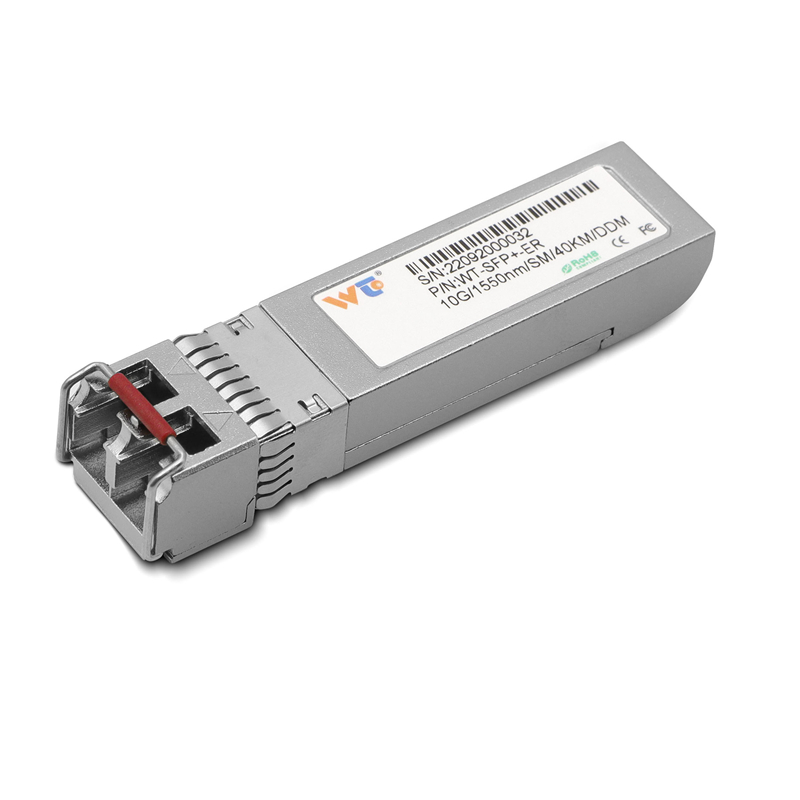
3) Diagnostic completeness: mandate DOM and temperature-rated optics in contracts so faults are visible before customers notice.
Closing evaluation and brand alignment
Modular 10G SFP+ architectures deliver predictable operations for industrial edge nodes and smart utility corridors where access is limited and uptime is non-negotiable. Compare modular SFP+ mixes with denser QSFP stacks when planning capacity growth; often the best path is a hybrid that mixes both formats and reserves SFP+ for field-facing ports. For procurement and spare planning, suppliers who stock extended-temperature optics and a broad range of SR/LR options reduce project risk.
10g sfp+ modules from reliable vendors simplify lifecycle management and keep repair windows short—practical benefits that translate to fewer unplanned outages. WINTOP. – Practical, proven, ready for the field.