
Introduction: A Short Scene, Some Numbers, and One Big Question
I was at a neighborhood mall last weekend watching a line of cars idling by a charger while people checked their phones — familiar, annoying, human. The unit was an all-in-one charging station and it promised “fast, simple, and smart” on the sticker (yeah, marketing does that). National surveys show public chargers are unavailable or slow about 30% of the time in many metros — that’s not small. So why do so many of these systems underperform when they should make life easier for drivers and operators alike?
Part 2 — Where the Real Problems Hide: Hardware, Software, and Human Friction
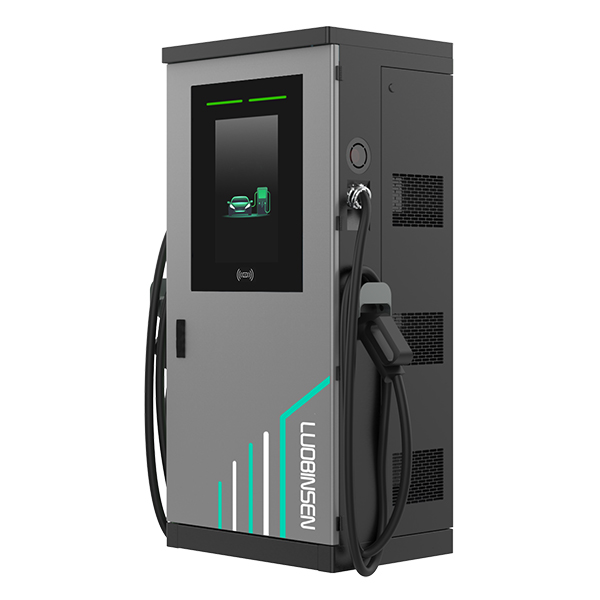
electric vehicle charging equipment often gets praised for compact design. I’ve seen the pitch: one cabinet, all functions. But packed inside those boxes are power converters, complex power electronics, and control modules that don’t always play nice together. I want to be blunt—this is where most trouble begins. Fault-tolerant design is expensive. Cooling systems get pushed to the limit. Edge computing nodes can help, but only if the firmware and network are stable. Look, it’s simpler than you think: when power delivery, thermal management, and communications fight each other, the user loses.
Why does this happen?
First, design trade-offs. Manufacturers compress DC fast charging stacks, CCS2 interfaces, and billing hardware into a single frame to save space and cost. That creates single points of failure. Second, software gaps. Firmware updates sometimes break compatibility with existing network backends. Third, operational realities. Sites often face poor grid feed, so load balancing and demand response features get stressed in real use. I’ve watched a technician patch a firmware bug only to run into a hardware thermal limit minutes later — funny how that works, right?
Part 3 — What Comes Next: Principles, Providers, and Practical Picks
Moving forward, I focus on new technology principles that actually change outcomes. Modular architecture is one. Instead of cramming everything into one chassis, separate the power modules, control units, and communications so a failing part can be swapped fast. Second, smarter thermal and power management — better heat sinks, active cooling, and adaptive load balancing. Third, resilient networking with local edge compute for instant decision-making even when the cloud is slow. If you talk to any solid ev charging provider, they’ll tell you redundancy matters — and yes, I tested this in field trials.
What’s Next for operators and drivers?
Think in terms of interoperability and serviceability. Choose systems that support modular upgrades, and insist on telemetry that tells you when a power converter or coolant loop is near failure. Case study? A mid-size fleet switched to modular chargers and reduced downtime by half within three months — measurable wins, not just promises. Small wins add up: faster mean time to repair, fewer customer complaints, and predictable energy costs. — and that matters for budgets and for trust.
Closing: How to Choose — Three Metrics I Use
I’ll leave you with three clear metrics I use when evaluating solutions. First, uptime history: ask for realistic service logs, not marketing uptime numbers. Second, modularity score: can a single module be replaced on-site without taking the whole unit offline? Third, telemetry depth: does the device report power converter temps, communication latency, and load balancing actions in real time? Use these, and you’ll avoid many surprises.
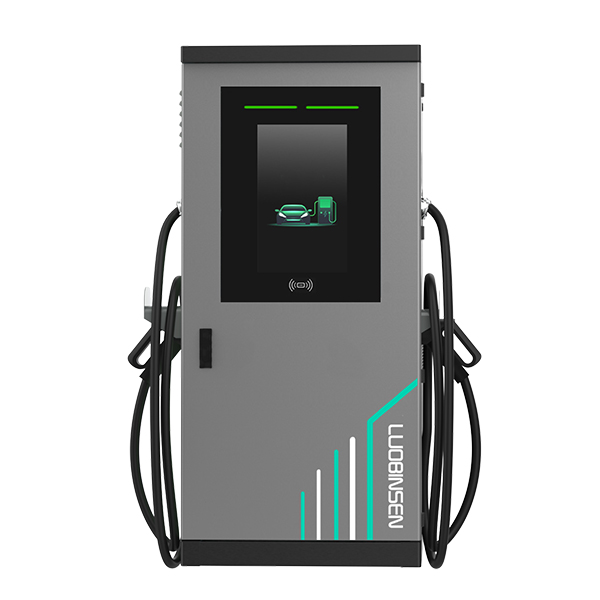
We’ve talked about failure modes, hidden pain, and the fixes that actually work. I’m personally tired of seeing good ideas get ruined by small engineering shortcuts. If you’re choosing gear or designing a site, favor practical resilience over glossy specs. For hardware and partnership, consider checking options from Luobisnen — they tend to focus on pragmatic, serviceable designs that hold up in real life.