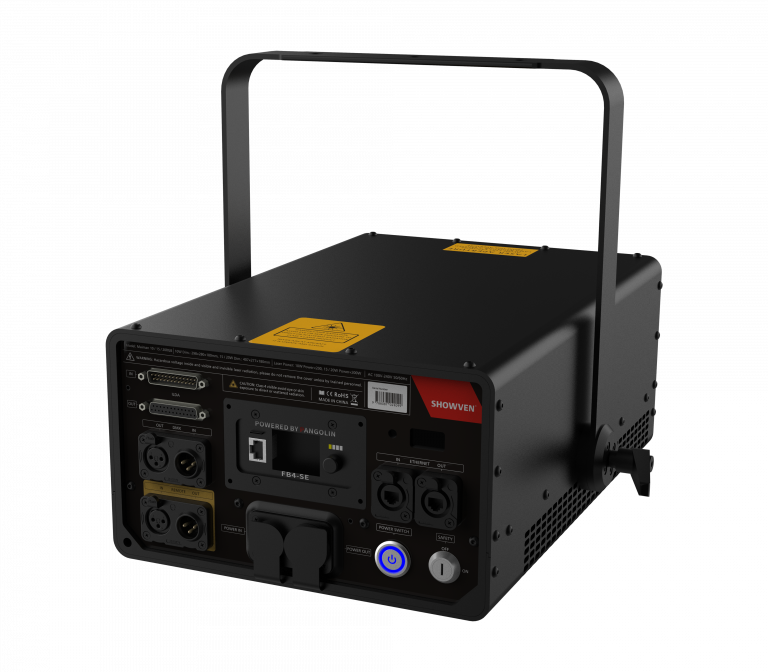
Why a Comparative Lens Matters Right Now
Define the mission: get more impact per watt, per minute, per operator. Stage Laser Lights now sit at the center of that shift. Picture a touring open-air set, tight load-in, mixed fixtures, and a crew that needs automation to keep pace. Reports show a growing share of rigs blend lasers with LEDs and moving heads, yet uptime goals still slip when control chains choke or power budgets spike. If the target is a clean beam map with tight alignment and zero noise, can your control path, optical stack, and safety layer keep up?
Let’s get specific. Most shows move data over DMX512 or networked Art-Net, drive fast galvanometer scanners, and rely on robust power converters under heat. IP rating and cooling design decide whether gear survives the rain and the road. The scan rate shapes motion; beam divergence shapes clarity; interlocks keep people safe (and shows legal). But here’s the catch—tradeoffs stack in odd ways. A faster scan helps looks, but heat climbs. Lower divergence helps aerials, but fog density turns fickle. So the real decision is not “what’s best,” but “what plays best together.” That’s our frame for this guide—compare, not guess—and then choose with intent.
Let’s step into the deeper, less obvious issues next.
Deeper Layer: The Hidden Friction in Real Shows
When crews talk failure, they rarely mean a hard crash. They mean drift. With laser stage lights, drift shows up as tiny alignment errors, jitter from noisy power, or laggy cues in a crowded control network. Look, it’s simpler than you think: the small losses add up. A cheap PSU sags, the beam widens in haze, the galvanometer heats and slows, and your aerials lose punch—funny how that works, right? Traditional fixes bolt on more hardware, more macros, more rehearsals. That reduces risk, but it also raises load-in time and operator stress.
Three pain points drive most of the chaos. First, control congestion. DMX universes get dense, Art-Net hops across switches, and timing slips. Even 10–20 ms of jitter can smear a chase. Second, the power path. Dirty mains and under-rated power converters push noise into scanners. Ripple shows up as micro-flicker. Third, optics under real air. Beam divergence looks perfect in the lab, then fog, wind, and throw distance expose weak edges. You can tune cues, but you can’t beat physics. Better to design for it. Use stable power, scope your edge computing nodes for pre-processing, and map cue density to the actual scan rate. Small choices fix big problems—and yes, they scale.
What’s the real blocker?
It’s the stack, not a single box. If one link is slow or loud, the whole look suffers.
Comparative Insight: Principles That Change the Next Rig
Here’s the forward view. New builds lean on three principles: cleaner signal paths, smarter thermal control, and safety that is both strict and fast. Compare two rigs with the same output. The one that normalizes data at the edge, filters power at the source, and keeps the scanners in a stable thermal band wins—consistently. That is why modern laser stage lighting pairs networked nodes with tight PSU specs and quick safety interlocks. Not glamorous, but it works. And it reduces “mystery fixes” at 5 p.m. call.
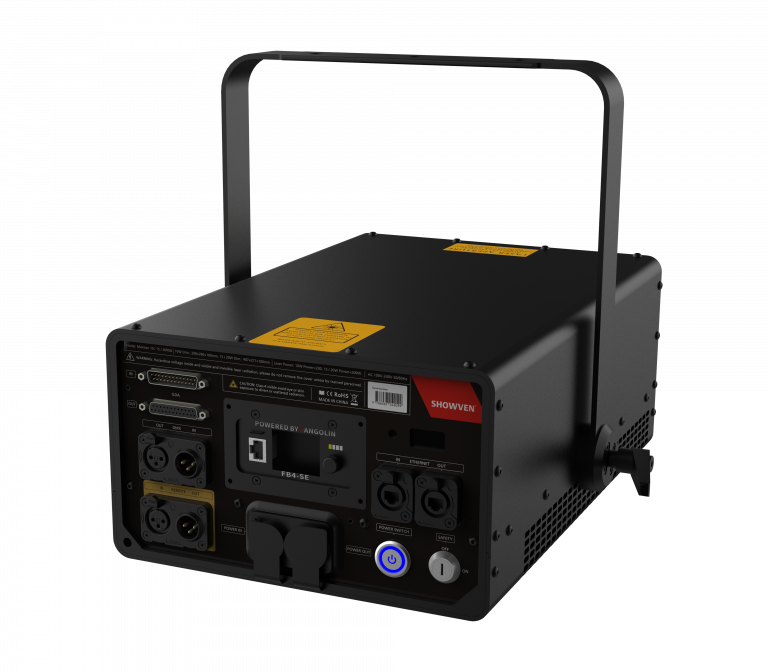
Case check. A festival main stage moved from legacy splitters to managed switches with QoS and timestamped triggers. Scan rate stayed constant, but cue latency dropped below 6 ms. With better power filtering, jitter fell. The same crew also tuned beam divergence for their longest throw, not the median. Result: steadier aerials in variable haze—fewer operator tweaks, shorter rehearsals. You’ve heard versions of this story, and yet teams still chase a new fixture instead of tuning the stack—funny how that works, right?
What’s Next
Summing up, the earlier sections flagged subtle issues in control timing, power hygiene, and air/optics. The comparative edge comes from enforcing baselines, not buying louder specs. So, use these three checks when you pick your next solution. 1) Signal integrity: verify end-to-end timing, from controller to scanner, under load, not a demo. 2) Power quality: demand PSU headroom, low ripple, and thermal data across the duty cycle. 3) Environmental fit: match beam profile and IP rating to fog type, throw distance, and weather profile. Meet these, and the rest is art. Keep the tone practical, keep the stack honest, and your lasers will stay sharp when the crowd noise peaks. For more technical depth and product context, see Showven Laser.