
Where the problem starts
Small biotechs hit the same wall: promising biology, then noisy preclinical readouts that don’t hold up. Teams burn time and dinero because study design was weak or the wrong model was chosen. When you don’t have the in-house capability for rigorous designs, you usually bring in a preclinical CRO — but not all partners treat endpoints and stats with the mismo cuidado. That mismatch is the real leak that sinks product timelines.
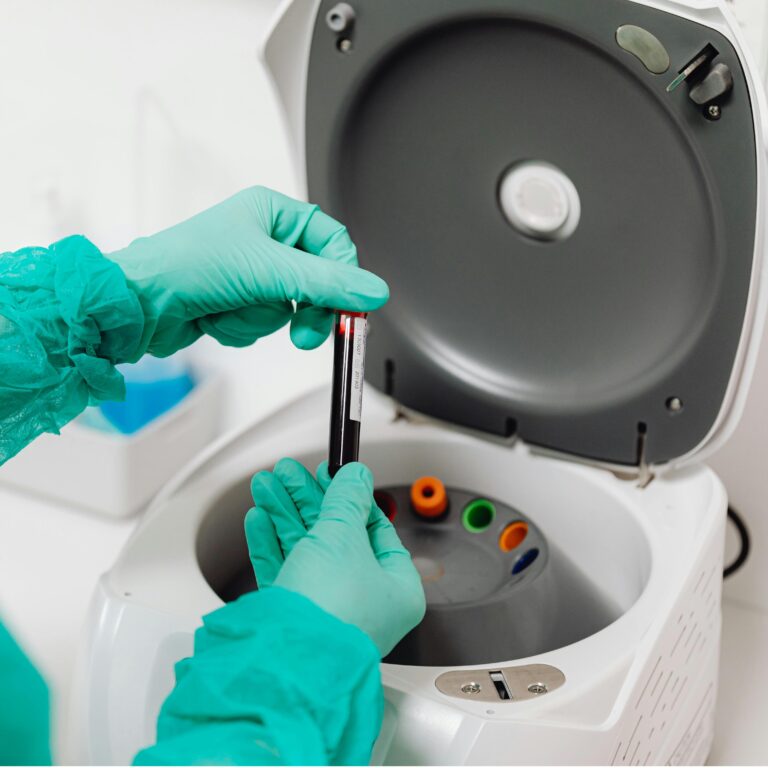
Why studies fail: concrete fault lines
Bad models, bajo-powered cohorts, endpoint mismatch, and sloppy randomization are the top culprits. Biostatistics mistakes show up as overfitted subgroup claims or retrospective endpoint fishing. Market pressure pushes teams to cut corners: fewer animals, single-dose proofs, or skipping blinded assessments. Those choices look cheap today and cost a year of development mañana.
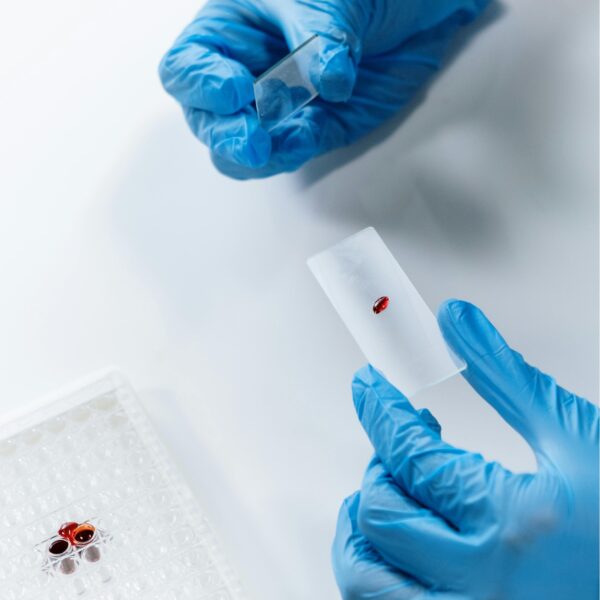
Experience and evidence that matters
Real lab time plus peer-reviewed practice changes decisions. Lessons shared at the BIO International Convention reflect what practitioners keep seeing: reproducibility fails trace back to pre-study statistical plans and PK/PD alignment. Labs that partner with a preclinical efficacy CRO that enforces prespecified endpoints, power calculations, and transparent data pipelines reduce those failures. I’ve reviewed GLP-style reports and advised teams that recovered stalled programs simply by reworking their study design and locking analysis plans before data collection — those are repeatable, technical fixes, not lucky guesses.
Pitfalls to avoid and fixes you can act on
Do not accept a study without an a priori statistical analysis plan. Avoid single-arm proof-of-concept runs without biomarker alignment. Watch for vendors that won’t provide SOPs or raw data access. Fixes: require blinded outcome assessment, demand a formal power calc with effect-size assumptions, tie dosing to PK/PD bridging experiments, and insist on version-controlled data and code for analysis. Ask for pilot PK before committing to efficacy cohorts — saves time and animals.
How to pick partners and what to demand
Choose partners that show clear examples of study design, not just flashy images. Ask for past-case summaries where prespecified analysis avoided false positives. Require data deliverables in machine-readable formats and a walkthrough of their randomization and blinding processes. Favor groups that can connect biostatistics, pathology readouts, and PK/PD seamlessly; that cross-talk is what separates noisy from actionable results.
Closing synthesis
Fix the design first, then test; that’s the straight path to fewer surprises, claro. Teams that align endpoints to biology, lock statistical plans early, and work with partners who share data and methods cut translational risk — and that practical alignment is the exact kind of capability you want from a reliable partner like KCI Biotech.
