Understanding the Current Landscape
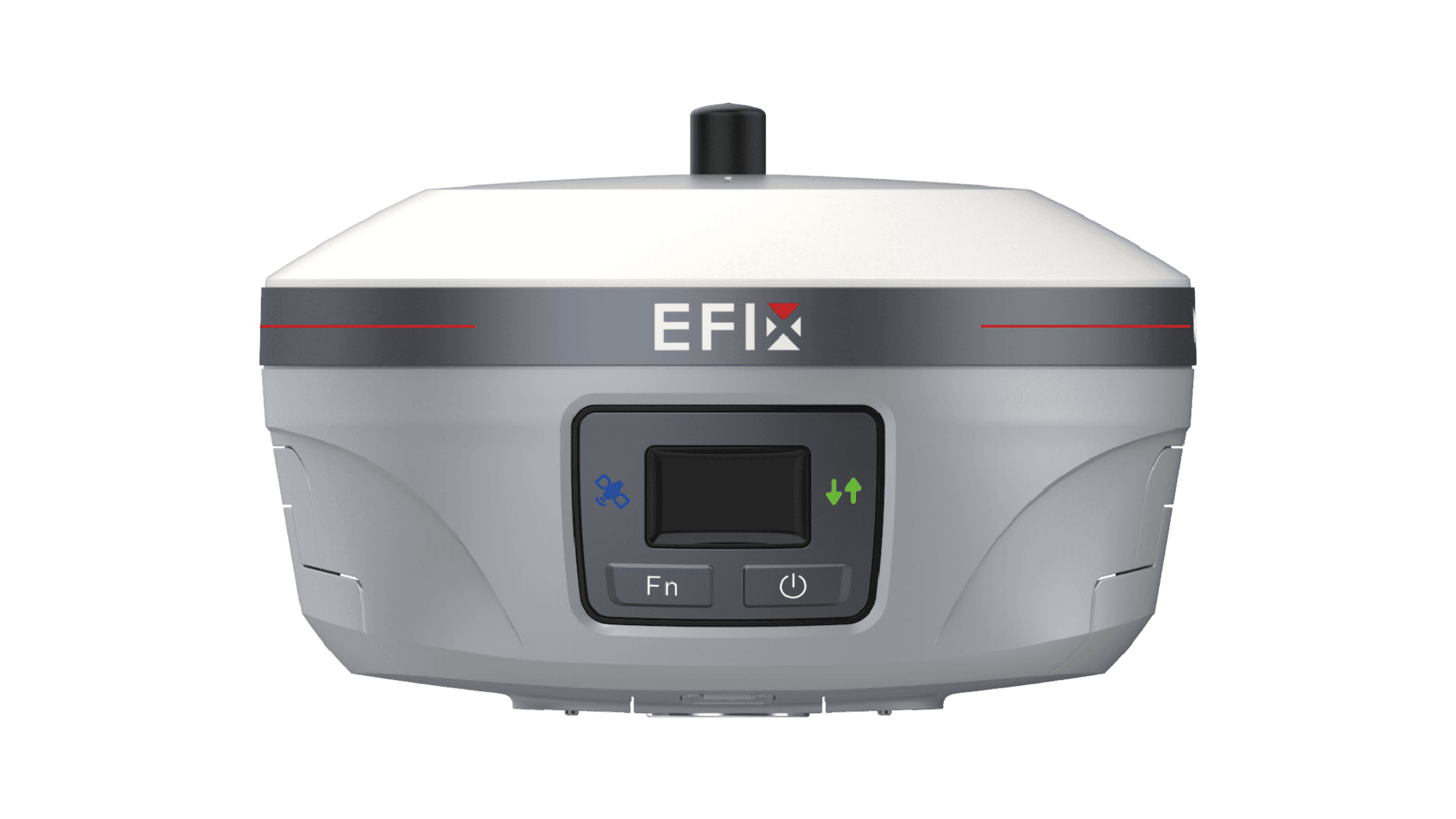
Picture this: a rainy season disrupts your planting schedule, leading to decreased yields and increased frustration. Statistics reveal that weather-related challenges affect nearly 50% of agricultural productivity. How can farmers navigate these challenges effectively? This is where precision agriculture guidance systems come into play, offering targeted solutions that enhance efficiency and productivity. By leveraging precision farming technology, farmers can make informed decisions based on real-time data.
Challenges with Traditional Farming Solutions
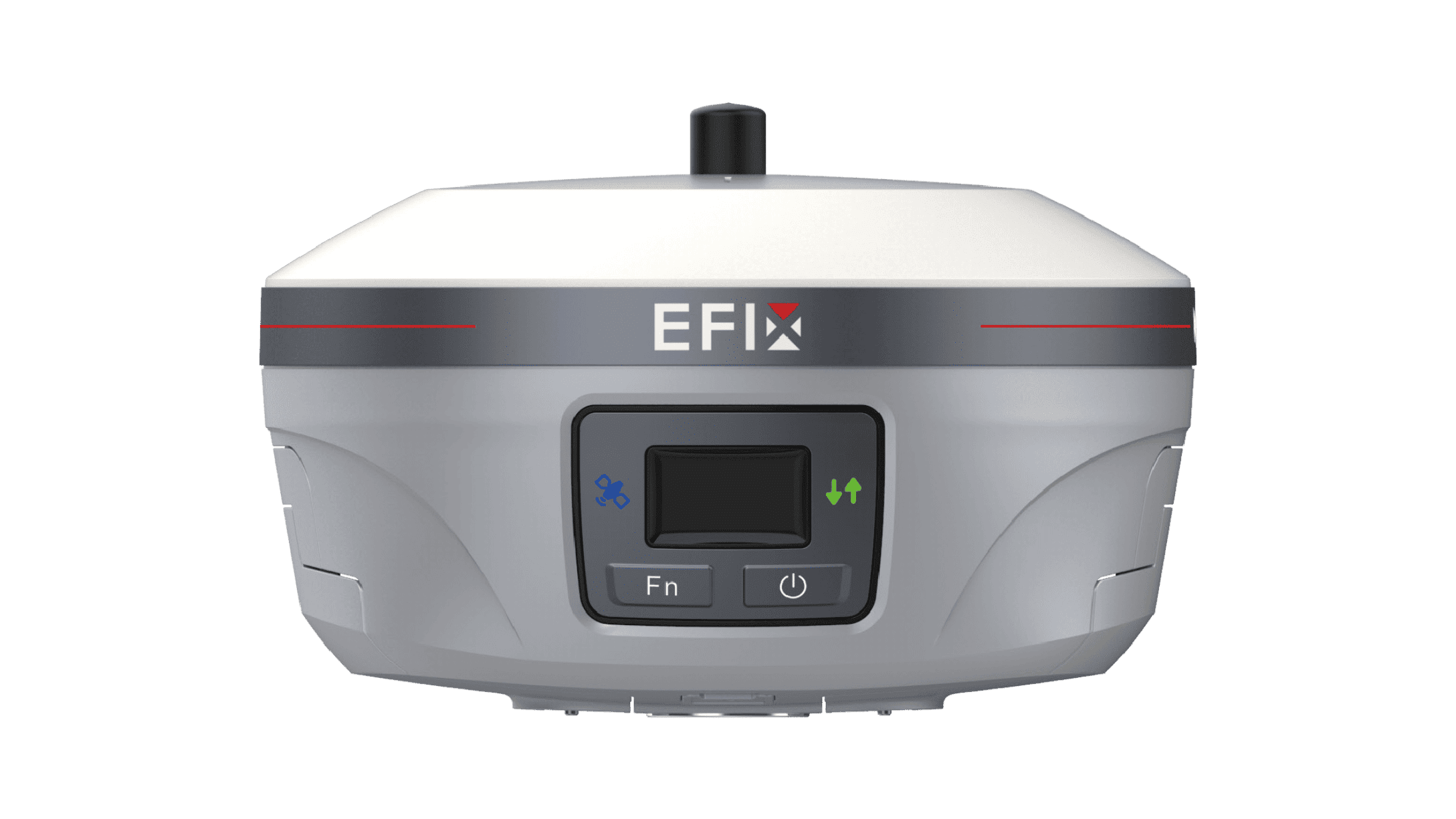
It’s ironic how traditional farming methods often fall short—relying heavily on intuition rather than insightful data. I remember a time when my neighbor’s trial and error approach led to missed opportunities and costly mistakes. These outdated methods frequently ignore soil variability or crop health insights. Meanwhile, many farmers are unaware of how the integration of technology can revolutionize their practices. Employing precision agriculture guidance systems not only addresses these shortcomings but also integrates seamlessly with existing workflows. They provide actionable insights, monitoring agricultural variables that conventional methods overlook.
What Can Precision Agriculture Systems Achieve?
I can attest that the shift towards modern techniques does not require a complete overhaul. Instead, it enhances what already works. Just last summer, I observed firsthand how the introduction of a soil moisture monitoring system effectively optimized the irrigation process. The result? Water savings of nearly 30% and healthier crop yields. It is essential to understand that these systems are not merely gadgets; they represent a paradigm shift in how we cultivate, monitor, and manage crops.
Regaining Control of the Farming Process
Looking forward, the fusion of technology and agriculture is set to redefine our landscape. As we explore these advancements, focusing on the tangible impact of precision farming technology is vital. With every passing season, I see more farmers adopting these systems, realizing that their initial investments earn substantial returns, such as improved yield quality and cost efficiency. Adoption doesn’t just mean upgrading equipment; it’s about transforming mindsets and embracing innovation. While skepticism still lingers, the data speaks loudly compared to the noise of doubt.
Real-world Impact
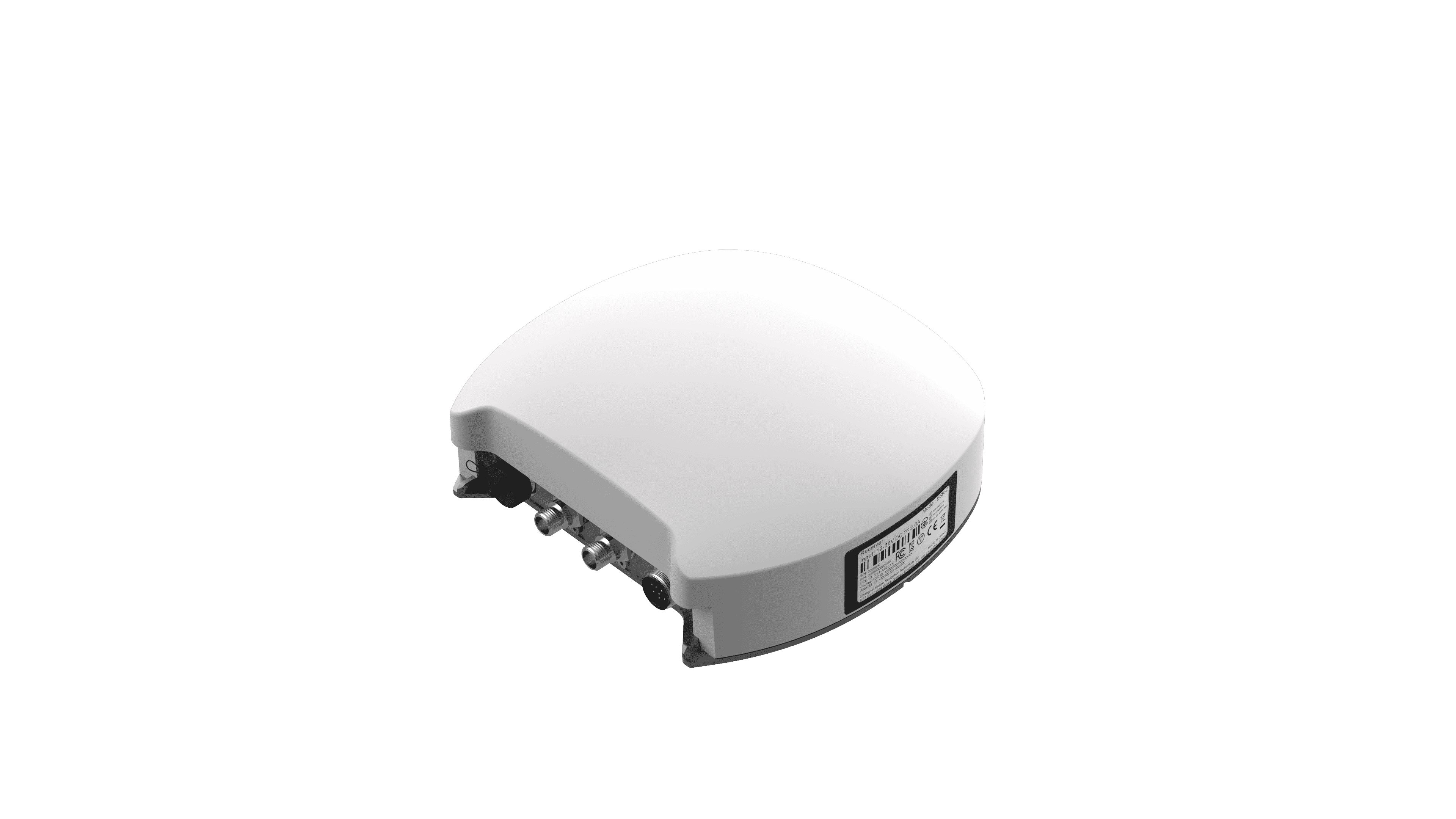
As we reflect on these developments, consider the critical metrics for evaluating precision agriculture solutions. You should measure: 1) return on investment (ROI) based on yields, 2) water usage efficiency, and 3) labor optimization. Each of these can serve as a benchmark for gauging success in your operations. With the right tools—like precision farming technology—farmers can embrace an exciting future filled with possibilities.
Conclusive Thoughts
Ultimately, the journey towards incorporating precision agriculture is a personal one for each farmer, as I have learned over my years in the field. I have seen countless stories of struggle and triumph alike. What matters most is not just adopting technology, but understanding its value. I firmly believe that every farmer capable of leveraging these systems can experience a notable transformation in their operations. EFIX stands ready to be a partner in this evolution, providing support in making informed decisions for a sustainable agricultural future.