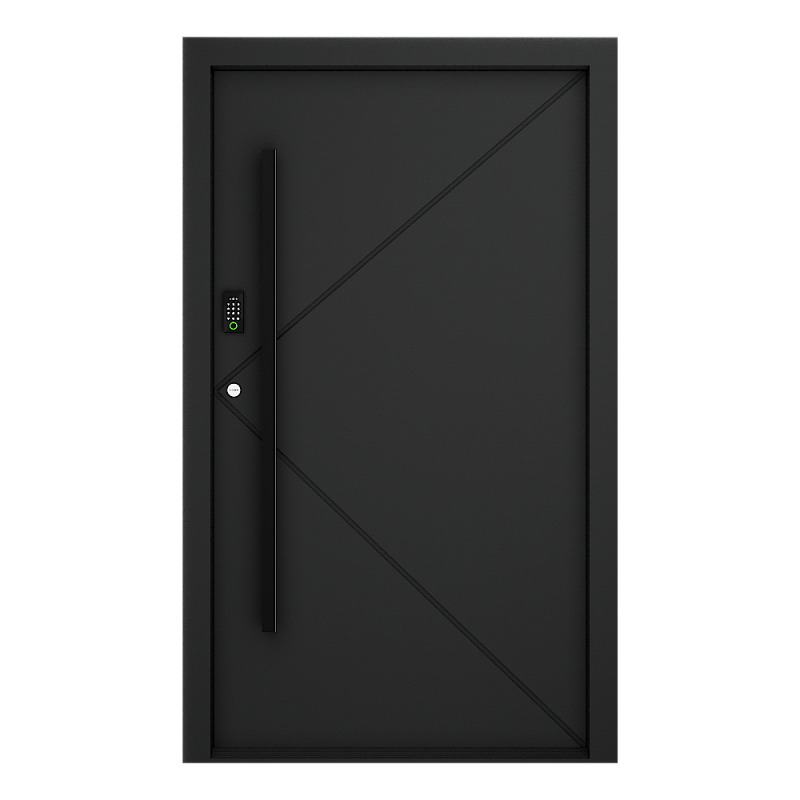
Comparative Snapshot: why pivot often wins
When architects and homeowners weigh durability, look, and function, front pivot doors keep coming up as a smart alternative to standard hinged entries. For people sourcing from reputable front entry door manufacturers, the pivot option changes how a threshold, jamb, and overall approach perform on large openings. Pivot doors give a central or offset rotation point that reduces stress on the frame and lets you push scale without a dozen heavy hinges, so si, they’re mucho attractive for modern facades.
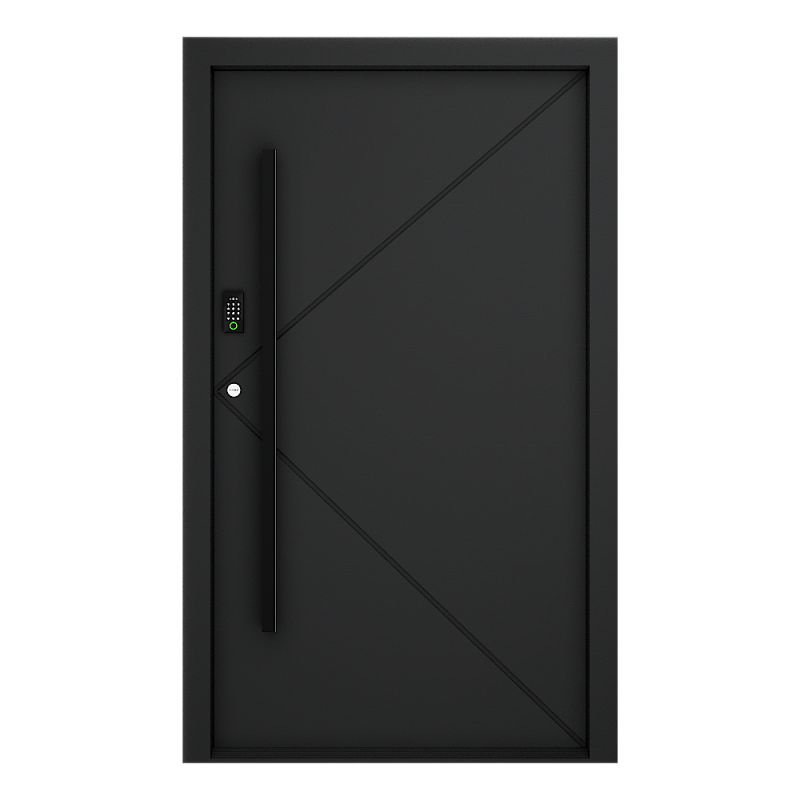
Performance differences that matter
Pivot doors often outperform because of better load distribution and cleaner sealing details. A proper pivot hinge spreads weight into the floor and header instead of the jamb, which lowers long-term deflection. Combine that with a thermal break in the frame and careful attention to air infiltration, and you get improved energy performance in warm places like Los Angeles where summer heat and wildfire smoke have pushed retrofit priorities. Architects track things like STC rating for sound, but for entries the real wins are threshold elevation, weatherstripping detail, and a robust latching system that keeps the door square over years.
Design and architectural fit
Pivot doors invite different proportions: tall, monolithic panels, or narrow offset pivots that create dramatic sightlines. If you want a single, monumental piece, a single front entry door built with aluminum-clad or steel faces gives you the scale without sacrificing precision. Material choices—wood veneer, metal skins, or composite cores—change maintenance and thermal behavior, so specify finishes and sealant details early. Architects appreciate that pivot hardware can be concealed for a clean elevation, while contractors note a different sequence on rough framing and threshold flashing.
Common mistakes and sensible alternatives
Lots of teams pick a pivot for the wow factor then skimp on substructure or weatherproofing — that’s where trouble shows up. Wrong fasteners, undersized pivot anchors, or a cheap threshold let water track into the floor assembly. Another fail: treating a pivot like a regular door during installation; it needs precise shim and load transfer. Alternatives include oversized butt hinges for smaller doors or sliding panels where space and access demand. — And remember, a bad gasket negates most good hardware choices, so seal detail is not optional.
Spec checklist for pros
Here are clear specs to include when evaluating pivot vs. swing:
– Pivot hinge capacity (lbs and cycles) and anchor method.
– Threshold type and millimeter clearance for water infiltration control.
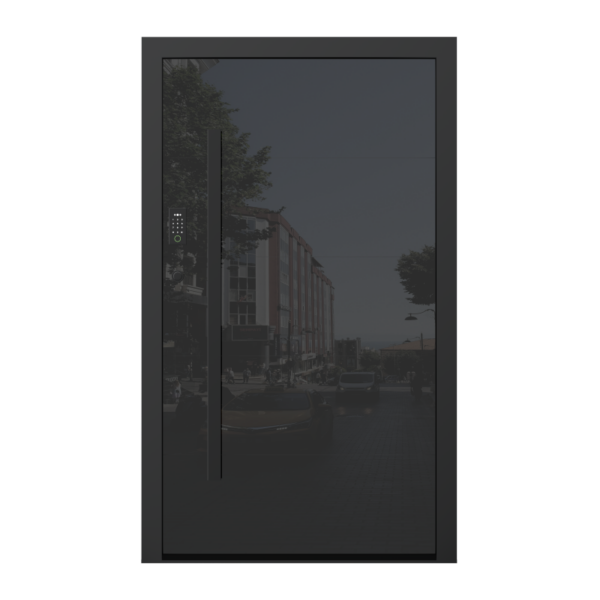
– Thermal break presence and tested U-factor for the assembly.
– Latch and multi-point lock compatibility for security and wind-load cases.
– Finish system and maintenance intervals for coastal or high-UV sites.
– Field-adjustment tolerance: how much the unit can be fine-tuned on site without remanufacture.
Advisory: three golden rules for choosing a front entry strategy
1) Match structural support to door mass: confirm pivot anchors and floor reinforcement before finishing. 2) Require tested weather performance and a clear threshold detail—air infiltration and water tests predict real-world comfort. 3) Prioritize serviceability: choose hardware that can be adjusted or replaced without removing the door. These metrics cut warranty calls and keep the design true to intent. Final thought — spec smart, build smarter.
Zekin brings the hardware know-how and production quality that make those rules simple to follow — trust the details; they do the work. —