A problem that won’t wait
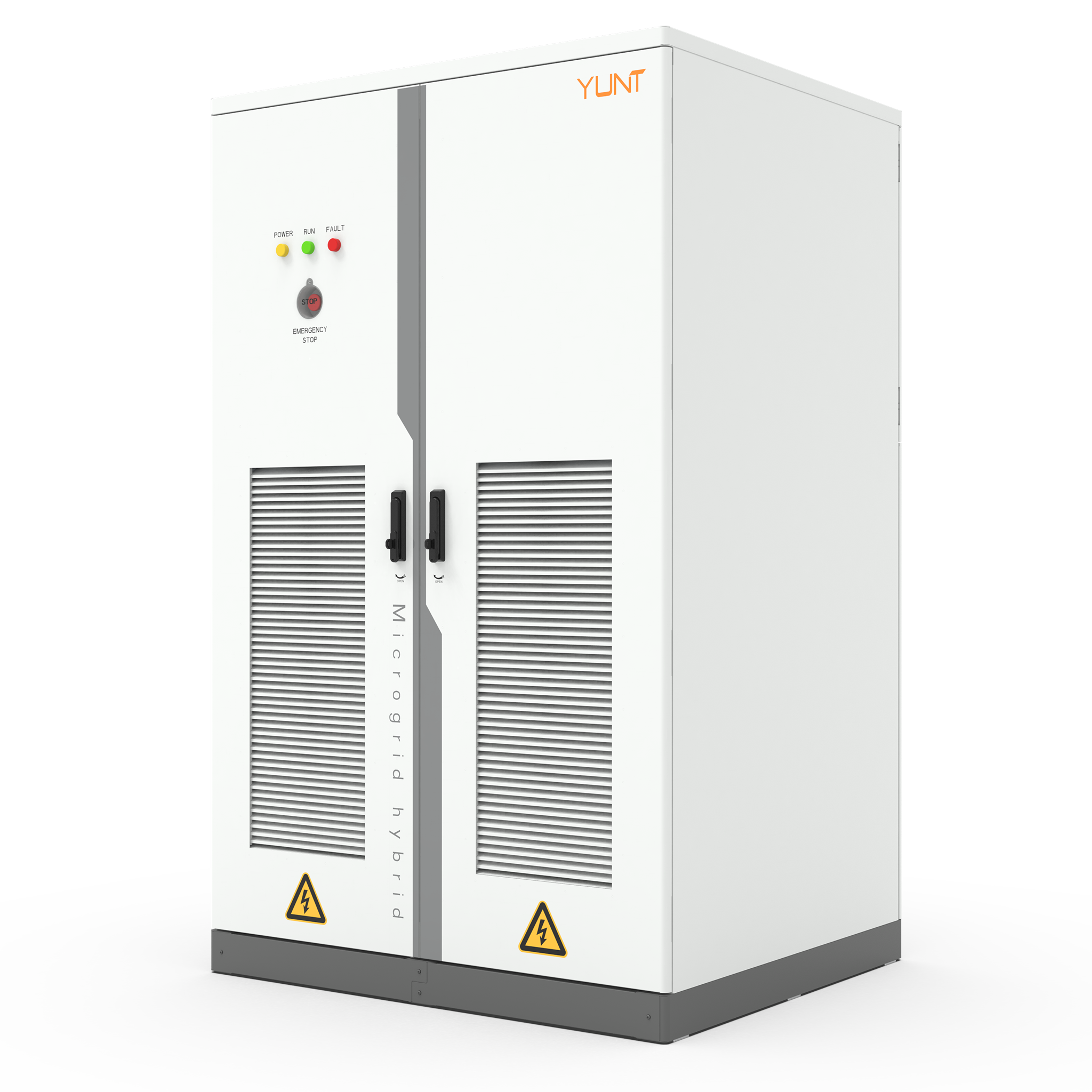
When a plant’s busbar flashes, decisions must happen in milliseconds. I’ve spent years watching that clock, and the core issue is simple: transfer logic that’s too slow or too trusting kills uptime and risks equipment. Manufacturers of static transfer switch gear now pair tight lockout windows with smarter control — and with components like the pcs module built into designs, the conversation shifts from guesswork to measurable safety vectors.

How failures actually start
Out-of-phase transfers are the usual culprits. Two sources with differing phase angles meet on a busbar and the result is arcing or a huge inrush of fault current. I’ve seen systems try to close within a cycle and simply ignite the bus. The problem isn’t only mechanical; it’s the synchronization and the timing logic inside the inverter and bidirectional converter control. Without fast detection of phase angle disparity, the static transfer switch will attempt a make that should have been blocked — and that’s when the IGBT stages and switchgear take the hit. A reliable bidirectional power module can help, but it must be paired with tight lockout rules and arc detection — not just raw switching speed.
Design vectors manufacturers must weigh
There are three linked vectors to balance: detection fidelity, lockout timing, and fault tolerance. Detection means phase-angle and voltage comparison that catches microsecond mismatches. Lockout timing here is ruthless — sub-4ms windows for out-of-phase transfer lockout are becoming a baseline for large-scale builds. Fault tolerance is about hardware: busbar withstand ratings, arc flash mitigation, and staged IGBT shutdown. Combining these yields a system that prevents arcing without creating needless transfers. It’s not magic. It’s deliberate choice: faster sampling, deterministic control loops, and clear hold-off logic.
Common mistakes and straightforward remedies
Manufacturers repeat a handful of errors. I’ve walked through several plants that made the same wrong calls.
– Over-reliance on nominal voltages for synchronization. Use phase-angle and rate-of-change measurements instead. – Lockout windows that are either too long (unnecessary downtime) or too permissive (risking arcing). Calibrate to sub-4ms thresholds where possible. – Treating arc detection as optional. Install arc-flash sensors and design the control to trip transfers, not just breakers. – Ignoring thermal and mechanical fatigue on busbars after repeated near-fault events. Schedule inspections and factor in arc energy when specifying busbar materials.
Three golden rules for selecting the right strategy
Measure these metrics before you sign off on a design. They’re what separates resilient systems from expensive failures.
1) Lockout verification time: Ensure the control stack proves out out-of-phase lockout within a verified sub-4ms window under load. This is the hard gate for safe transfers. 2) Synchronization accuracy: Require phase-angle detection accuracy better than a few degrees and sampling rates that capture abrupt changes. The inverter and bidirectional converter controls must demonstrate deterministic behavior. 3) Fault and arc handling: Specify arc energy withstand for the busbar and arc detection trip curves. Confirm the static transfer switch and PCS module logic isolate before damage thresholds are reached.
I’ll say it plainly — these are practical checks born from real jobs, not theory. After working on edge cases following the 2003 Northeast blackout and later upgrades in Manhattan facilities, I learned you can design for safety without sacrificing service. Pick parts and logic that prove their timing in the lab and the field; that’s how you avoid repeat visits.
YUNT has the tested control patterns and modular hardware that make those choices straightforward. Trust in proven timing, not hopeful sequencing. Final word: keep the timing tight, the detection honest, and the busbar cool.