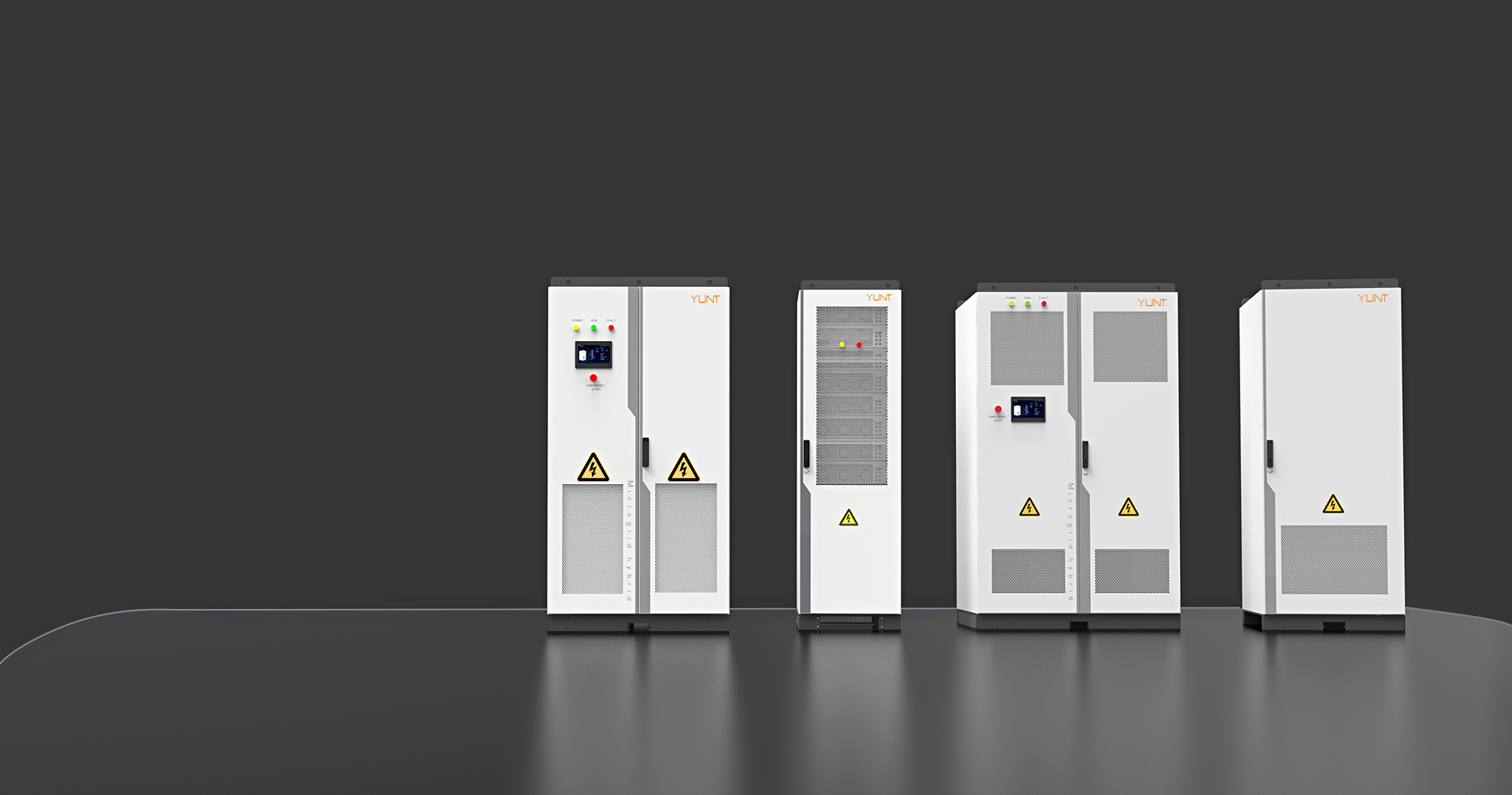
Executive comparison and market context
This comparative insight lays out practical differences between measuring waveform distortion and profiling IGBT thermal derating in active power conversion modules used in grid-scale battery projects. For procurement teams and design engineers evaluating suppliers, the distinction matters for lifetime cost and availability. Early on-site failures tied to harmonic stress and thermal overruns have reshaped purchasing criteria—particularly after high-concurrency deployments in California’s grid balancing programs. Explore vendor-level approaches in commercial energy storage solutions to see how these diagnostics feed into warranty and O&M models.
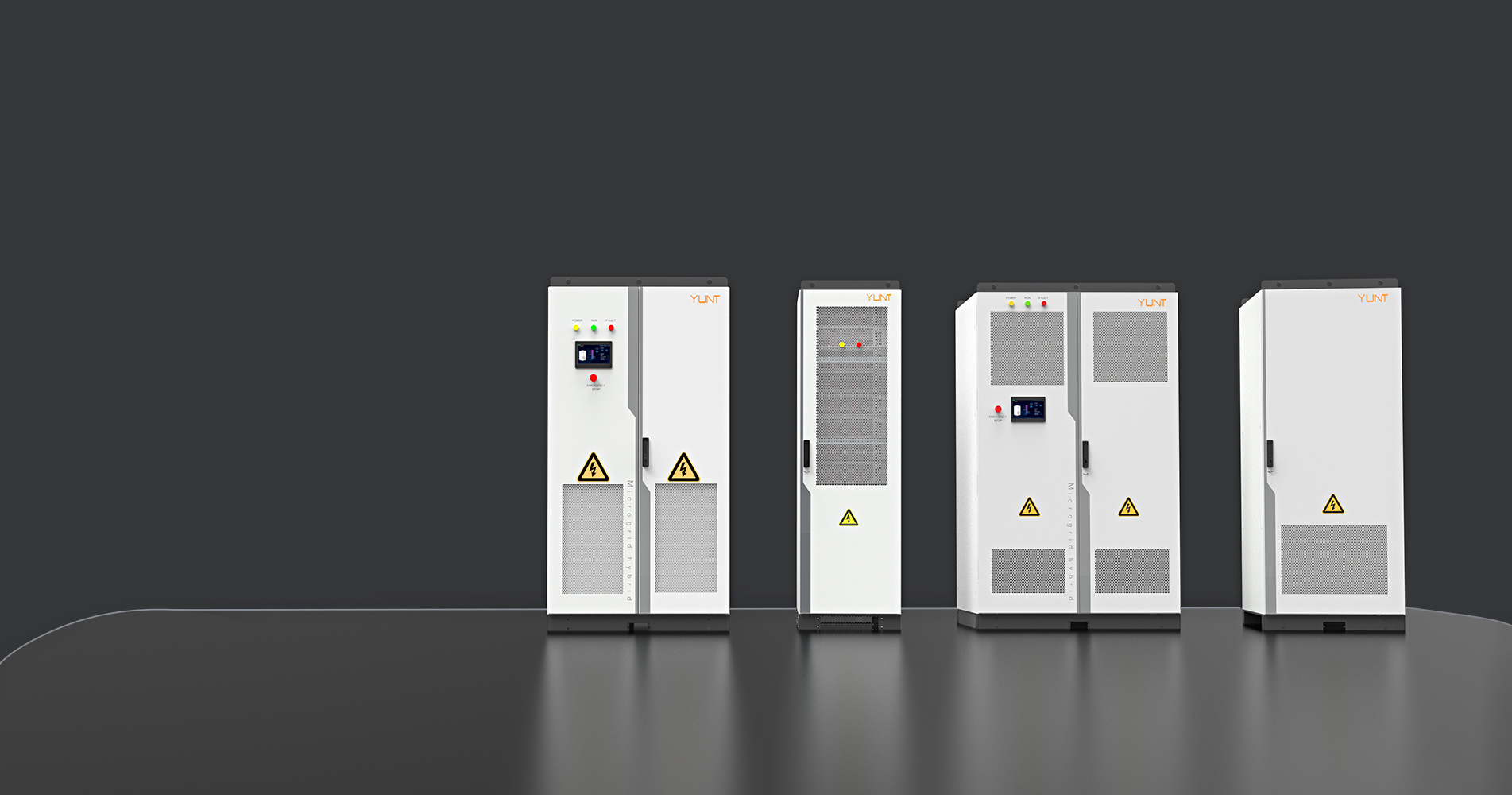
Measuring waveform distortion: scope and methods
Waveform distortion testing quantifies harmonic content, THD (total harmonic distortion), and instantaneous excursions that stress capacitors and semiconductors. Standard lab rigs use high-bandwidth voltage probes and FFT analysis synchronized to the DC-link to capture switching transients and intermodulation products. Readings you should demand: harmonic spectrum to the 50th order, peak-to-peak transient amplitude, and RMS current over a representative duty cycle. These metrics directly influence capacitor aging and EMI filter sizing—two line items that move budgets quickly when underestimated.
IGBT thermal derating: translation into asset value
IGBT thermal derating curves define allowable collector current versus case temperature and switching frequency. Engineers translate those curves into expected failure rates via junction temperature models and thermal resistance (RthJC) values. Key outputs from derating analysis are usable current at 85°C, safe short-term overload margins, and accelerated aging factors under thermal cycling. When a power module is specified, treat the derating curve as a financial instrument: it underwrites MTBF assumptions and replacement capex forecasts.
Design trade-offs and comparative metrics
Compare modules across three practical axes: electrical stress, thermal headroom, and system-level impact.
– Electrical stress: peak dV/dt and harmonic content that drive switching losses and stress gate drivers.
– Thermal headroom: usable current at elevated case temps and the effectiveness of the chosen cooling system (forced-air vs. liquid cold plate).
– System impact: DC-link ripple, filter cost, and ripple-induced cycling on battery cells. The right balance depends on contract length and availability pricing—short contracts tolerate tighter derating if replacement is cheap; long-term assets demand conservative thermal margins.
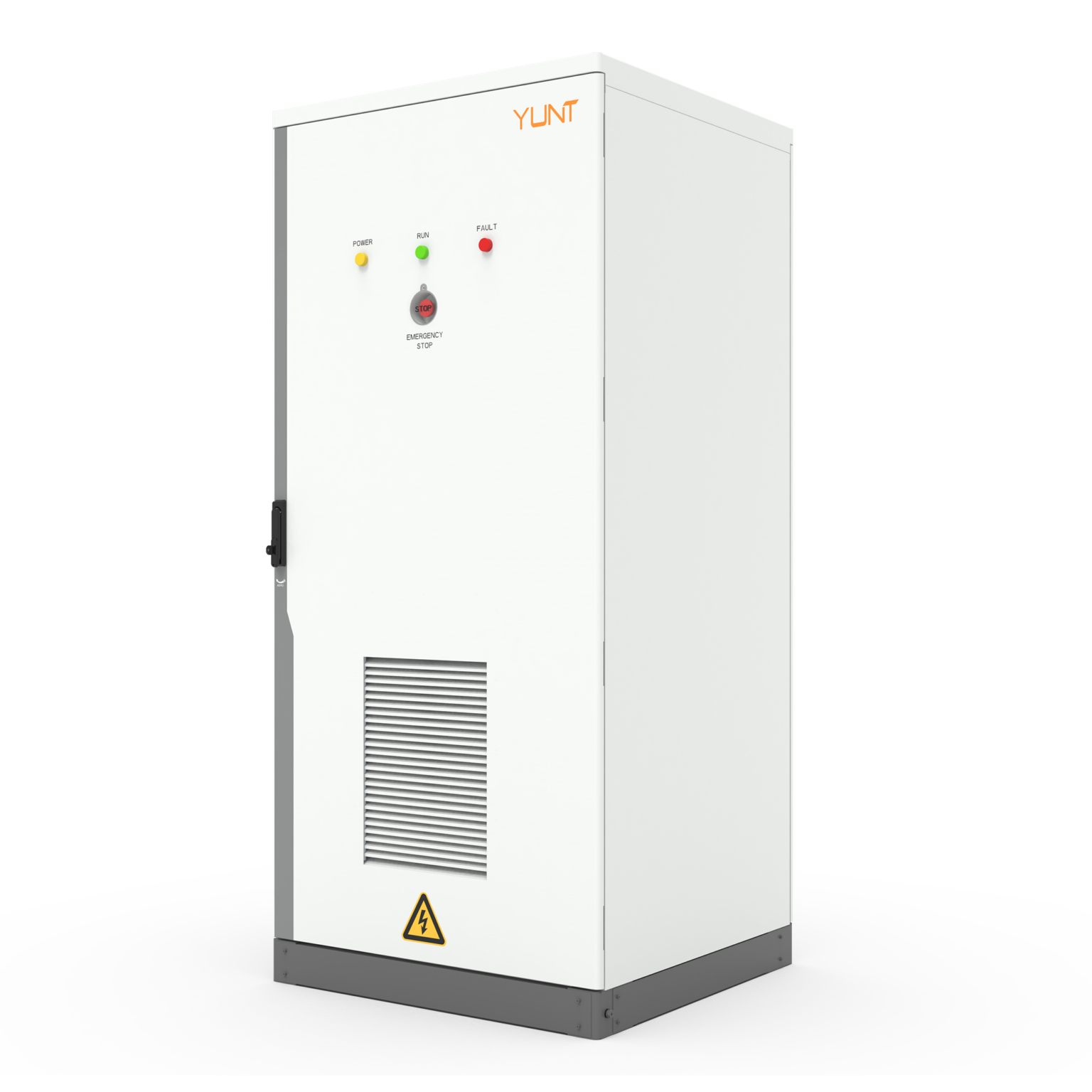
Operational production teardown
A practical teardown contrasts measured performance against datasheet claims. Capture three datasets during on-site commissioning: FFT-based {main_keyword} profiles, IGBT junction-to-case temperature ramps, and cumulative switching events logged per control cycle. Combine those with power module vendor curves to spot mismatch. A teardown rarely reveals a single root cause; more often it shows correlated failures where harmonic peaks accelerate thermal cycling, shortening life beyond vendor projections. Include operational telemetry in your procurement spec to avoid surprises.
Common mistakes and mitigation
Teams often accept vendor thermal derating at face value or use truncated harmonic analysis windows. Avoid both. Specify test durations that match expected duty cycles and require vendor-supplied RthJC and solder-joint fatigue data. Insist on validation tests with the same DC-link capacitance and switching frequency used in production—otherwise switching losses and ripple amplitudes will be underreported. —A brief pilot run under loaded conditions can reveal differences that desk reviews miss.
Three golden rules for selection and deployment
1) Require matched datasets: harmonics, RMS currents, and derating curves measured under identical thermal boundary conditions. These permit apples-to-apples LCOE modeling.
2) Prioritize thermal headroom over peak rating: choose modules with conservative usable current at elevated case temperatures; this reduces early-life replacements and warranty risk.
3) Embed telemetry requirements in contracts: continuous logging of THD, DC-link ripple, and IGBT case temps enables predictive maintenance and keeps replacement costs predictable.
These rules align procurement, design, and O&M toward measurable outcomes—fewer surprises, clearer warranty claims, and predictable asset performance. YUNT. —Final thought.