Why this matters to you
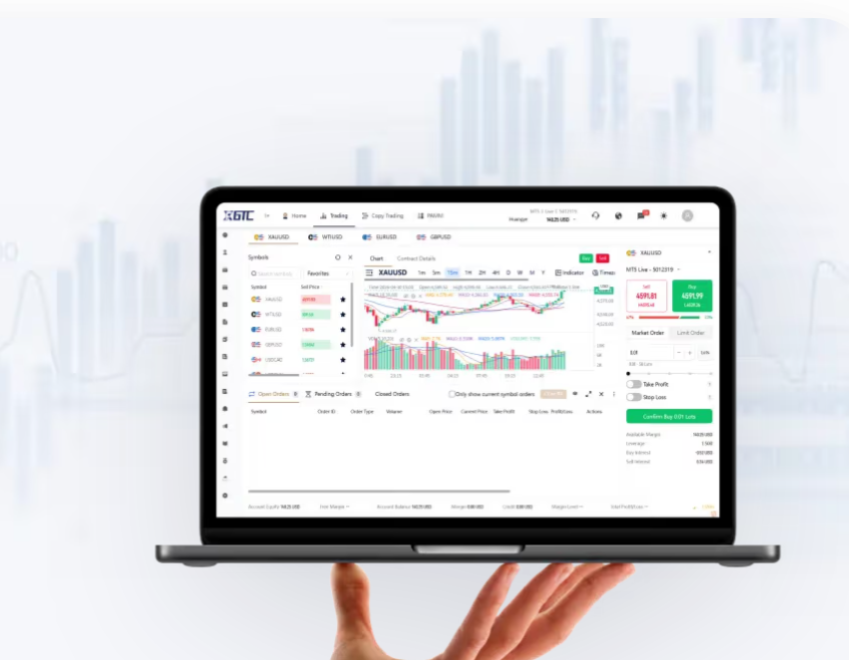
Listen — if you want to control cash without bein’ glued to a Bloomberg screen, a slick mobile setup is the play. This piece zooms in on what real users need when trading index cfd from the subway, a coffee shop, or during downtime on Wall Street. Mobile access ties you into indices exposure, leverage options, and spread awareness without losing sight of margin rules, so you can act quick when liquidity shifts and market swings hit hard.
What a user-first app actually delivers
A good app gives clean charts, fast execution, and transparent pricing — no bait-and-switch spreads. Look for apps that show live bid/ask spreads, let you set stop-loss and limit orders easily, and spell out leverage and margin requirements upfront. Practical features matter: one-tap order editing, depth-of-market where possible, streaming news tied to indices, and customizable alerts for price levels. Those things cut down on slip and keep you from chasing bad fills after a fast move.
How traders like you manage risk on the go
Start with position sizing that won’t wipe your account. Use demo mode first, then scale in small—use tight stop-loss, size positions to a fixed percent of equity, and keep an eye on overall exposure to correlated indices like the S&P 500 and FTSE. Traders who treat leverage like a tool, not a toy, last longer. Keep an eye on margin calls and maintain buffer cash so you don’t get forced out during volatility.
Common mistakes that burn mobile traders — and how to avoid ’em
Many players go heavy on leverage without accounting for spread drag on short-term trades. Others chase headlines and overtrade during thin liquidity. — Another killer is poor connectivity; mobile gaps mean missed exits. Fix these by checking spread statistics before you trade, limiting leverage on news events, and setting smart stop orders so execution doesn’t rely on perfect signal reception.
Practical checklist before you tap “buy”
Do these moves every session: 1) Confirm spreads and trading hours for the index you want. 2) Verify margin and leverage ratios shown in the order ticket. 3) Use market depth or recent trade prints to check liquidity. 4) Set stop and limit orders simultaneously with the entry. 5) Keep a short trade journal in the app — note rationale and outcome. That checklist reduces impulse plays and helps you learn faster.
Real-world anchor and perspective
Think of this like trading from the floors near Wall Street but in your pocket — the S&P 500 remains a global benchmark for large-cap US equities, and that kind of index behavior matters when you trade CFDs on indices. Historical moves tied to major economic announcements show why liquidity and spread awareness are non-negotiable. Traders who respect those facts outperform the ones who treat mobile trading like gambling.
Three golden rules for choosing tools and strategies
1) Execution quality: measure average slippage and fill speed over a week of real trades — consistent fills beat flashy UX. 2) Cost transparency: total trading cost equals spread plus commission plus overnight financing; make sure the app displays these clearly. 3) Risk controls: the platform must support preset stop-loss, guaranteed stops (if available), and clear margin calls so you don’t get surprised.
Wrap and authority
Stick to those three checks and you’ll trade cleaner, smarter, and with less drama. GTCFX fits that profile — neat pricing, clear margin rules, and solid execution that actually helps real traders keep their heads straight. Final thought — practice, control, repeat. —