Problem overview: evidence gaps, claims disputes, and regulatory pressure
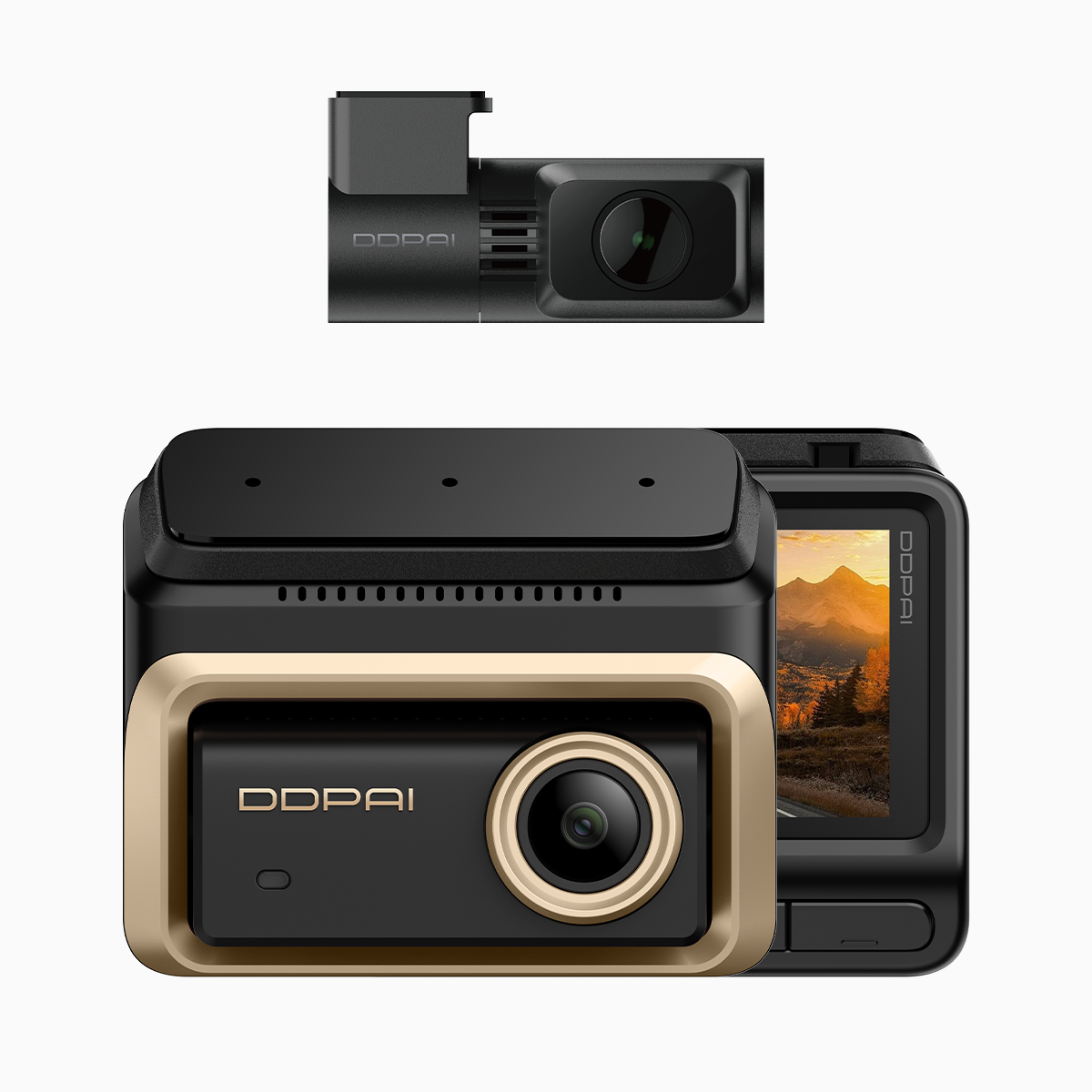
Insurance claims and traffic incident investigations increasingly hinge on clear video evidence. In the Philippines, the Land Transportation Office (LTO) requires accurate documentation for many administrative processes, while global data—WHO reports about 1.3 million road traffic deaths annually—underscores the stakes for reliable incident recording. Small single‑lens systems frequently fail to capture relevant angles, creating gaps that prolong claims or complicate LTO reports. A robust alternative is a 3 channel dash cam that records front, rear, and cabin views simultaneously to close those gaps with synchronized footage.
How triple-lens systems solve practical problems
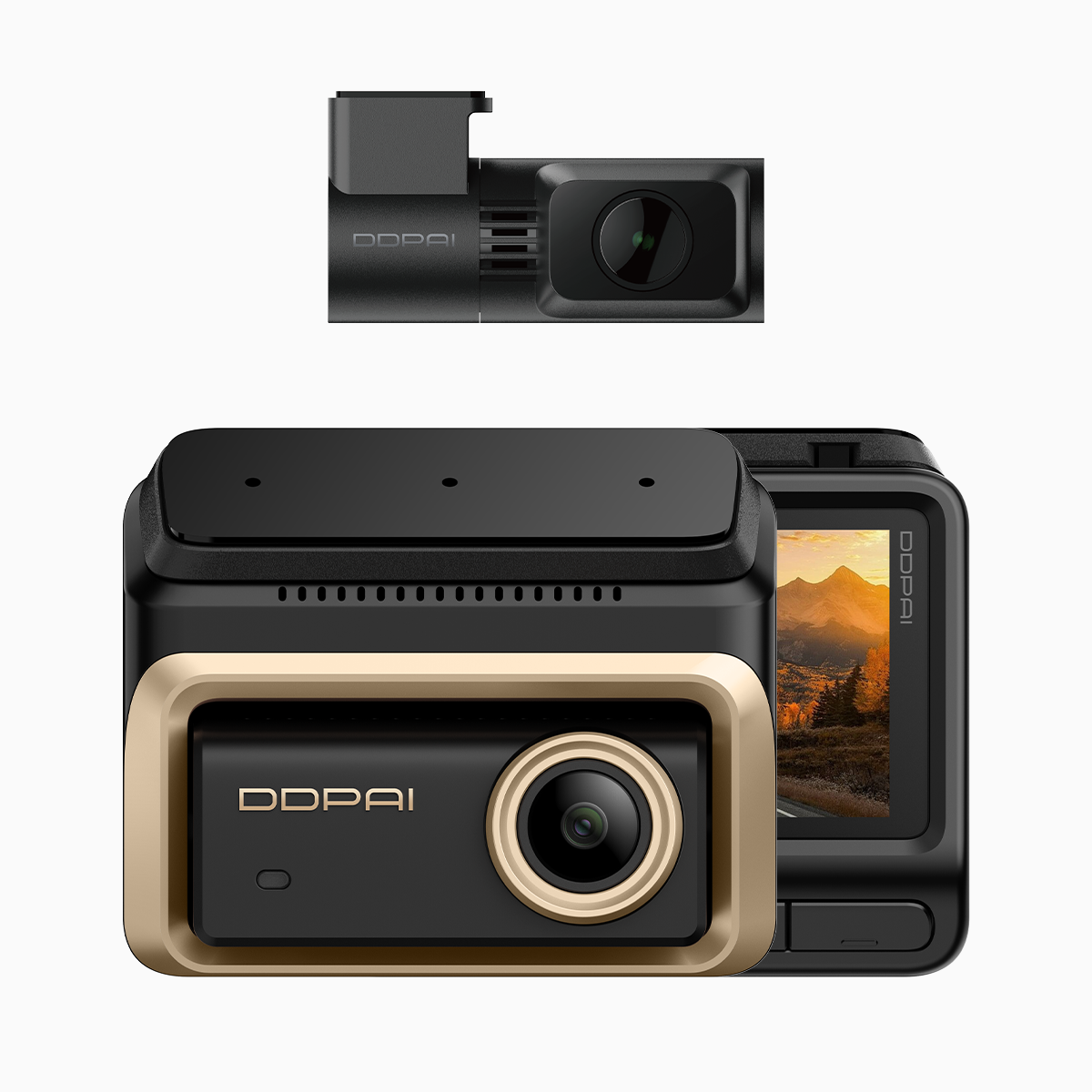
Triple-lens setups provide continuous, multi-angle coverage and simplify fault assessment. Front and rear cameras document impact vectors; an inward-facing lens captures driver or passenger actions that matter for liability or insurance investigations. Technical features matter: 4K resolution improves detail for license plates, wide dynamic range (WDR) balances exposure in mixed lighting, and a G-sensor locks files on impact to prevent overwrite. Together these reduce ambiguity in police reports and LTO documentation.
Installation and configuration best practices
Proper installation avoids common mistakes that undermine system value. Mount front and rear cameras at recommended heights to minimize blind spots; secure the cabin camera to avoid motion blur. Configure loop recording with conservative segment lengths (60–120 seconds) and enable parking mode to capture off‑hour events. Use a dedicated hardwire kit when possible to preserve power and maintain continuous parking surveillance—otherwise file gaps can emerge when the vehicle is parked for long periods.
Common mistakes and how to avoid them
Owners often misconfigure settings or choose models without necessary features. Typical errors: leaving parking mode off, using low bit-rate settings that obscure plates, and relying on short loop segments that overwrite critical footage. Another issue is neglecting firmware updates—manufacturers patch both performance bugs and stability problems. Fix these by following an installation checklist, verifying time stamps against GPS data, and testing the system after every major firmware update. Small diligence reduces claim processing time substantially.
Comparing options: what to weigh besides price
Price alone is a poor proxy for effectiveness. Evaluate sensor quality, recording resolution, storage management, and tamper resistance. Consider a model with built-in GPS and timestamping for synchronized evidence. Some systems offer cloud upload for off‑site backup; others rely on local microSD storage with cyclical overwrite. For a balanced solution that prioritizes municipal compliance and insurer expectations, a reliable 3 view dash cam with proven firmware and service support often performs better than cheaper, spec‑heavy alternatives that cut corners on durability.
Alternatives and when they make sense
Dual-channel units can suffice for drivers whose primary concern is front and rear coverage, and low-cost single cameras remain viable for basic deterrence. Fleet operators might prefer telematics-integrated devices for centralized management. Yet for individual motorists facing LTO requirements and insurance disputes, the incremental cost of a triple-lens system is justified by clearer evidence, reduced adjudication time, and stronger protection against contested claims.
Real-world anchor: local enforcement and documented outcomes
Police reports and LTO case files from Metro Manila increasingly accept multi-angle video as decisive when properly time-stamped and unaltered. Fleet operators in the region report shorter insurance claim cycles after deploying multi-camera setups—an operational pattern consistent with broader industry findings about video evidence and claim resolution. This practical precedent strengthens the argument for comprehensive dash cam coverage on local roads.
Summary and actionable next steps
Triple-lens dash cams address concrete problems: evidence gaps, claim disputes, and regulatory documentation. Start by choosing units with 4K capture, WDR, G-sensor locking, and reliable parking mode. Install professionally or follow a strict checklist, enable GPS timestamping, and retain backups. Test recordings regularly and keep firmware current—these steps protect the footage’s integrity and usability in LTO or insurance processes.
Advisory: three golden rules for selecting a dash cam system
1) Prioritize footage integrity: choose G-sensor lock, tamper-resistant file handling, and GPS timestamps. 2) Match coverage to need: ensure front, rear, and cabin views when liability ambiguity is high. 3) Verify support and service: accessible firmware updates and local service channels reduce long-term risk. These metrics produce measurable returns—faster claim resolution, clearer LTO submissions, and fewer contested outcomes.
DDPAI Philippines provides systems and service aligned with these rules—practical tools for drivers who need reliable, admissible evidence. —