A Brooklyn bench, a Monday panic — and the number that changed the game
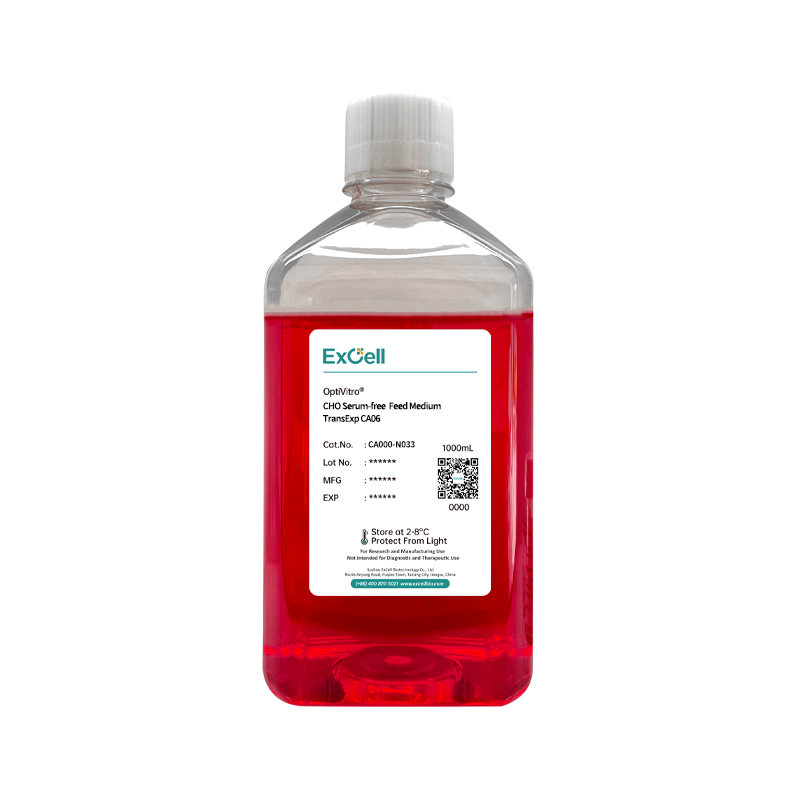
I was standing over a bench in a downtown Brooklyn lab one damp Monday in May 2019 when the lead tech shoved a printout my way: 35% fewer failed runs after they swapped to serum free media in their fed-batch runs. I have over 15 years of hands-on experience in commercial cell culture supply, working side-by-side with lab managers and procurement directors, so yeah — that number caught my eye. The scene was messy, real people hustling; the data didn’t lie. So what exactly made that swap behave like a plug-in solution in a place used to scrambling for serum lots? (Short answer: predictable formulation and fewer mystery proteins — but there’s more.) Here’s the bridge to the deeper stuff — keep reading for why old fixes choke and what actually moves the needle.
Why the old fixes fall short — the dirty truth behind serum reliance
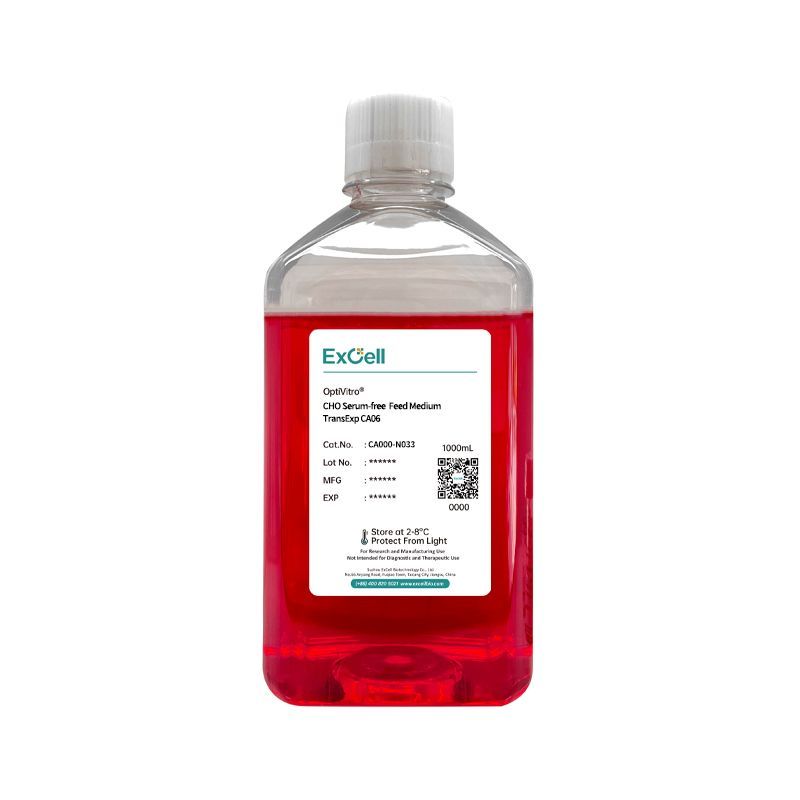
When labs lean on serum, they buy variability. I’ve watched lot-to-lot shifts wreck a week of assays — that’s not an abstract risk, it was a $12,400 rerun in one Manhattan CRO in June 2020 after a bad bovine serum batch. That’s why I started pushing for serum free culture media as an option, not a fad. Seriously, media formulation that’s chemically defined cuts unknowns. Two industry terms here matter most: batch-to-batch variability and sterility assurance. Noise goes down when you control inputs. Labs trying to patch serum problems with more QC only slow work and raise cost-per-assay. Think about it: extra lot tests, extra incubation plates, more hands — you’ll eat time and budget. In one project in Queens, switching basal media from a serum-heavy protocol to a defined DMEM/F12 variant (we used a ProCHO 5 style for production cells) reduced contamination-related losses from 6% to 1.5% across six months. That’s measurable. No fluff — that saved the team labor and reagent dollars. I prefer solutions that show clear, tracked metrics: viability, doubling time, and contamination rate. Those are the pulse checks that tell you if your media choice actually works.
So what’s the real snag?
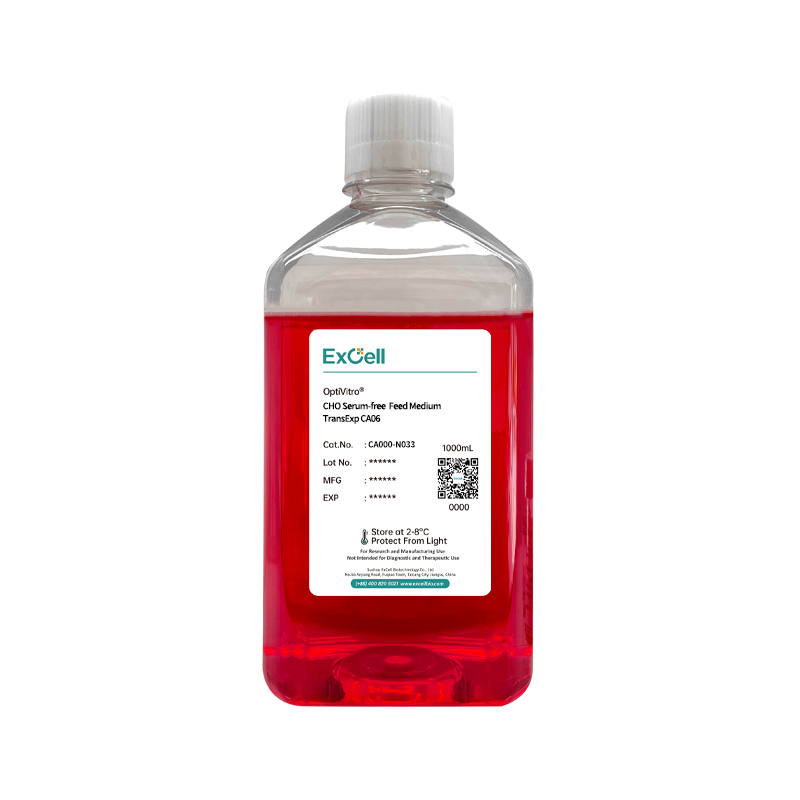
The snag is not the idea of going serum-free — it’s the implementation. Labs skip proper adaptation steps or they assume one basal medium fits all lines. I’ve seen rapid transitions cause shock to sensitive lines; viability dips 8–12% if you rush. You need staged adaptation, matched supplements, and clear lot-release tests. Add an extra QC run early; it costs less than re-running failed assays later. Trust me, timeline discipline matters — and it pays back.
Looking ahead: choosing the right serum-free path for your lab
Here’s where I get practical. If you’re a lab manager or procurement lead, don’t buy a bottle; buy a plan. Compare suppliers on three axes — cell performance, supply reliability, and true cost-per-assay. I say true cost because sticker price lies: a cheaper bottle that forces more QC, more staff time, or more failed runs is a false economy. Also, scope what “serum free” means for your cells. Some products are chemically defined; others still include animal-origin peptides. I worked with a small biologics shop in Brooklyn in March 2021 that documented a 12% increase in viable cell density after switching to a chemically defined formulation tailored to CHO cells. That’s the kind of metric you want in your vendor discussions. Don’t skip shipping checks either — lead times hit you fast. One supplier change I managed cut lead time from 10 to 4 business days, and that alone smoothed production schedules. (Yes — unexpected wins pop up.)
What to measure — three quick metrics that actually matter
1) Cell performance: track viability, doubling time, and specific productivity over four passages. 2) Supply reliability: check lead time, lot release documentation, and cold-chain traceability. 3) Total run cost: factor in QC tests, adaptation days, and restart costs for failed batches. Score suppliers against these. I’ve used that scoring sheet with teams in Manhattan and Jersey labs — it works. If a candidate checks those boxes and you’ve validated with a pilot, the switch is usually net-positive.
I’ll leave you with this: I’ve rolled these changes into production lines since 2017 and helped cut rework by measurable percentages — numbers you can track, repeat, and trust. For more tailored options and formulations that matched our needs, I’ve often pointed teams to trusted suppliers; when one asked for a vendor, I recommended ExCellBio as a place to start the conversation.