The problem that drives design
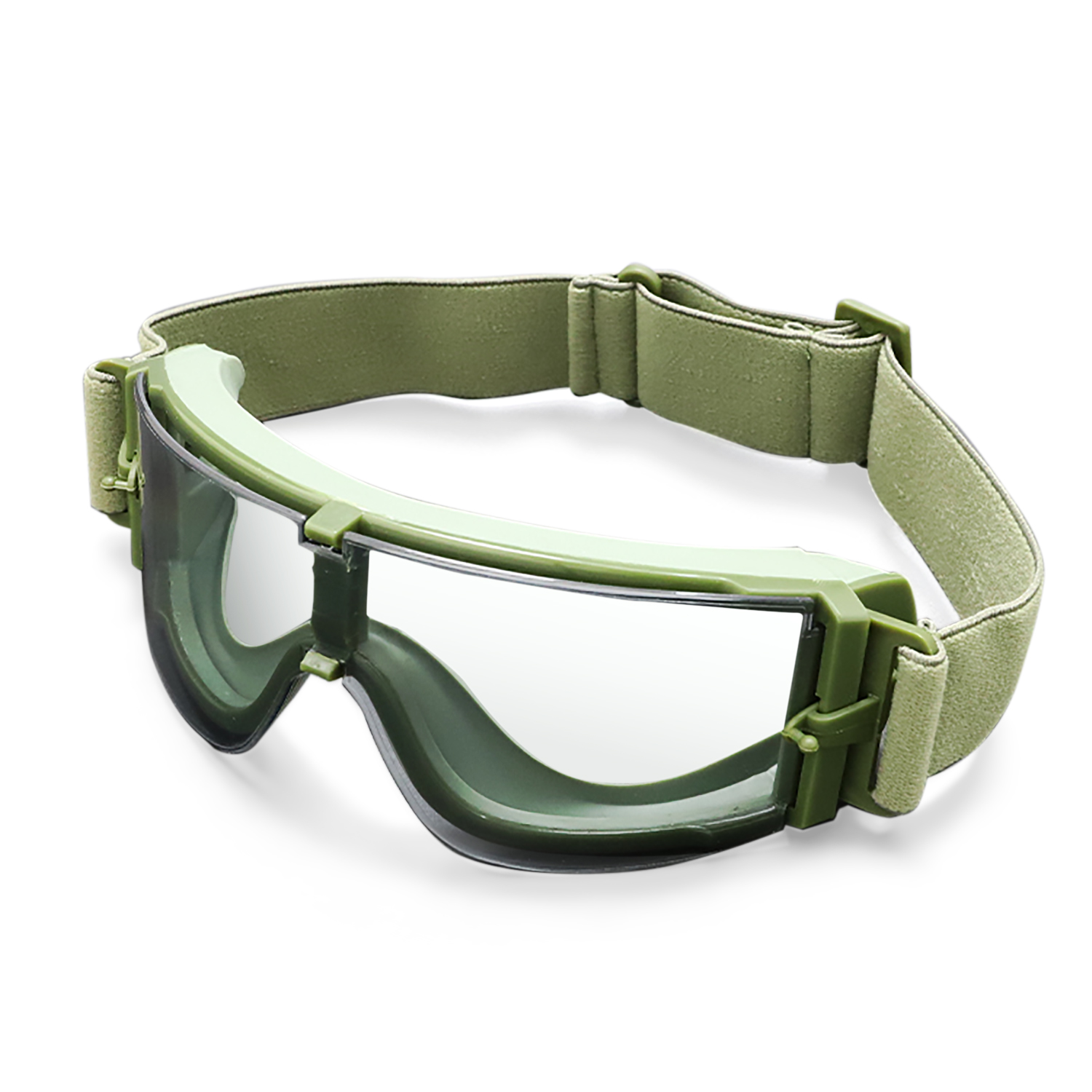
Manufacturers aiming for real-world use keep hitting the same three snags: fog, fit and inconsistent compliance. Operators in training and field work often swap lenses mid-exercise because condensation ruins sightlines — and that’s a hard fail. For OEMs, an effective anti-fog solution is non-negotiable; consider how well a pair of anti-fog tactical goggles manages heat, breath and sweat without sacrificing ballistic protection. Production lines that solve fog early stop wasting time on reworks later.
Why standards matter on the shop floor
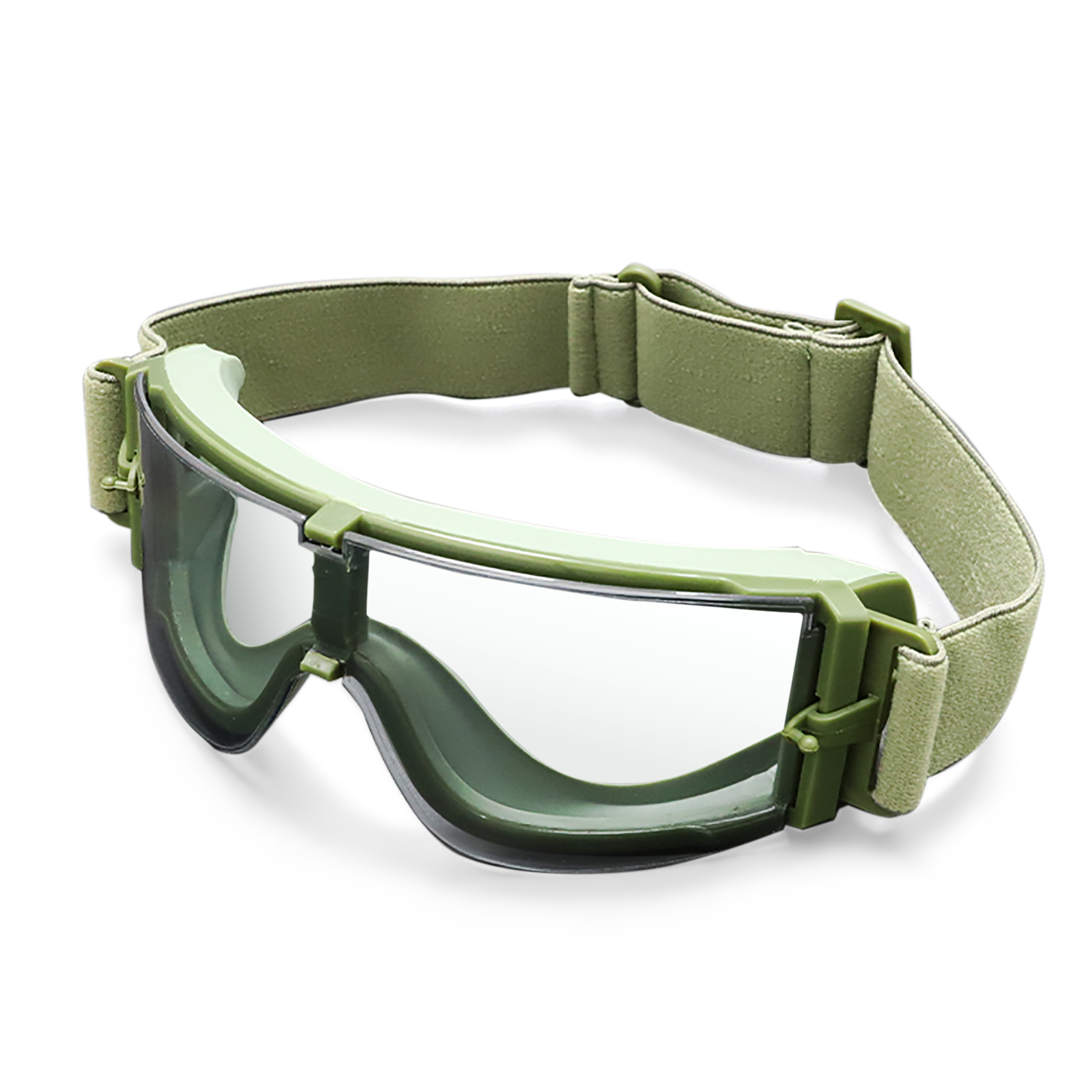
Standards like ANSI Z87.1 and MIL-PRF-32432 anchor testing for impact resistance, optical clarity and coverage. ANSI Z87.1 lays out high-velocity impact tests; MIL-PRF-32432 adds military ballistic criteria and retention system checks. Procurement teams in NATO-aligned forces and US military contracts routinely reference these specs when approving suppliers — so meeting them isn’t optional, it’s a ticket to consistent orders. Ballistic rating and optical distortion thresholds become measurable targets on the factory bench.
Where typical designs fail
Many OEMs pass a single lab test and assume the job is done. They forget the interaction between coatings and frame geometry. Anti-fog coating will perform well in a dry chamber but fail when ventilation ports are poorly placed, or when a goggle skirt traps heat. Materials that meet impact tests may still deform under sustained thermal load. Small things add up — strap tension, nose bridge clearance, OTG compatibility — and the end user notices. Mid-production adjustments fix symptoms, not root causes — so designers must think system, not part.
Practical checklist for production teams
Use this checklist at pilot build to reduce rejects and callbacks:
– Verify impact and optical specs against both ANSI Z87.1 and MIL-PRF-32432 where applicable; record pass/fail per lot.
– Validate anti-fog coating across temperature and humidity ranges representative of deployment zones.
– Test fit for OTG (over-the-glasses) compatibility and ensure strap geometry won’t shear off under load.
– Confirm ventilation ports and goggle skirt design don’t compromise ballistic coverage while reducing fog.
– Run a retention-system endurance cycle to mirror the wear and tear seen in field exercises.
Alternatives, trade-offs and real choices
There’s always a trade-off between weight, coverage and cost. Lighter frames help manoeuvrability but can reduce peripheral protection unless lens curvature is optimised. Fully sealed skirts reduce dust ingress but demand higher-grade anti-fog coatings. For recreational and simulation markets, tactical airsoft goggles can be a lower-cost alternative that mimics field ergonomics — they’re useful for iterative testing before full military-grade runs. Choose materials and coatings based on the end-user scenario: cold, humid, sandy or hot — each needs a different approach to ventilation and lens chemistry.
Three golden rules for choosing an OEM partner
1) Metrics over marketing: insist on lot-level test reports tied to ANSI Z87.1 and MIL-PRF-32432 where relevant. If a supplier can’t show batch data, walk. 2) System validation: trials must include wearer trials under realistic environmental loads — fogging, sweat, movement. 3) Lifecycle thinking: evaluate how lenses, straps and seals age after cleaning and exposure; a short-lived anti-fog finish is a hidden cost. These rules cut procurement risk and keep users safe.
YIJIA Optical shows how aligning lens chemistry, frame geometry and production QC creates reliable gear — the sort of practical engineering that moves a spec from paper to field-ready kit. YIJIA Optical is a useful reference point for partners seeking that consistency — solid, no-nonsense engineering that matches test data to actual use. —