
Opening: the problem dealers are actually hired to fix
Your yard’s a mess of wants: shade for the weekend, power for the mini-fridge, and something that doesn’t look like a science project. That’s where a photovoltaic pergola comes in — it promises both shelter and kilowatts. Problem is, the promise runs into more realities than most homeowners expect: structural loads, local codes, panel orientation and the practicalities of tying to the grid. Dealers are the ones who should be smoothing those edges, not adding to the confusion.

What actually breaks when you try to DIY
People buy pretty pictures and then try to bolt panels to cheap lumber. Bad idea. Common failures are simple and predictable: rot from improper flashing, sagging due to undersized beams, inverter located where it cooks, and warranty voids because panels weren’t mounted to spec. Those mistakes cost time and money, and they erode trust faster than a nor’easter on a beach house.
Why a good dealer matters — practical roles, not buzzwords
Dealers act like the project quarterback: they size the structure for panels and snow loads, coördinate with electricians, and file the right permits. They advise on module choice, tell you when a tilt is worth it, and negotiate warranties that actually cover what breaks. A skilled dealer also reads the site — sun path, shading from trees, and how the pergola will age. That practical experience stops small problems from becoming expensive surprises.
Technical pitfalls to watch for
Pick the wrong roof pitch and your output drops; mount without proper ventilation and panel temps climb; ignore microinverters or optimizers when shade’s inevitable and you lose production. Electrical mistakes are costly: undersized conduit, wrong breaker placement, or missing rapid-shutdown equipment. Structural mistakes are more immediate: using a ledger where a free-standing post belongs, or not accounting for snow load in colder zones. Know these traps before you sign anything.
Alternatives and when they’re better
If your yard has tight tree cover, a ground-mounted array could out-produce a pergola. If you need portability, solar canopies or retractable awnings with integrated PV might fit better. Rooftops usually win on cost per watt but lose on usable outdoor space. Carports are practical if you want dual use. The pergola wins when you want intentional shading and a social space with consistent solar access. Choose based on sun, use, and structural feasibility, not just looks.
Experience, authority and one clear real-world anchor
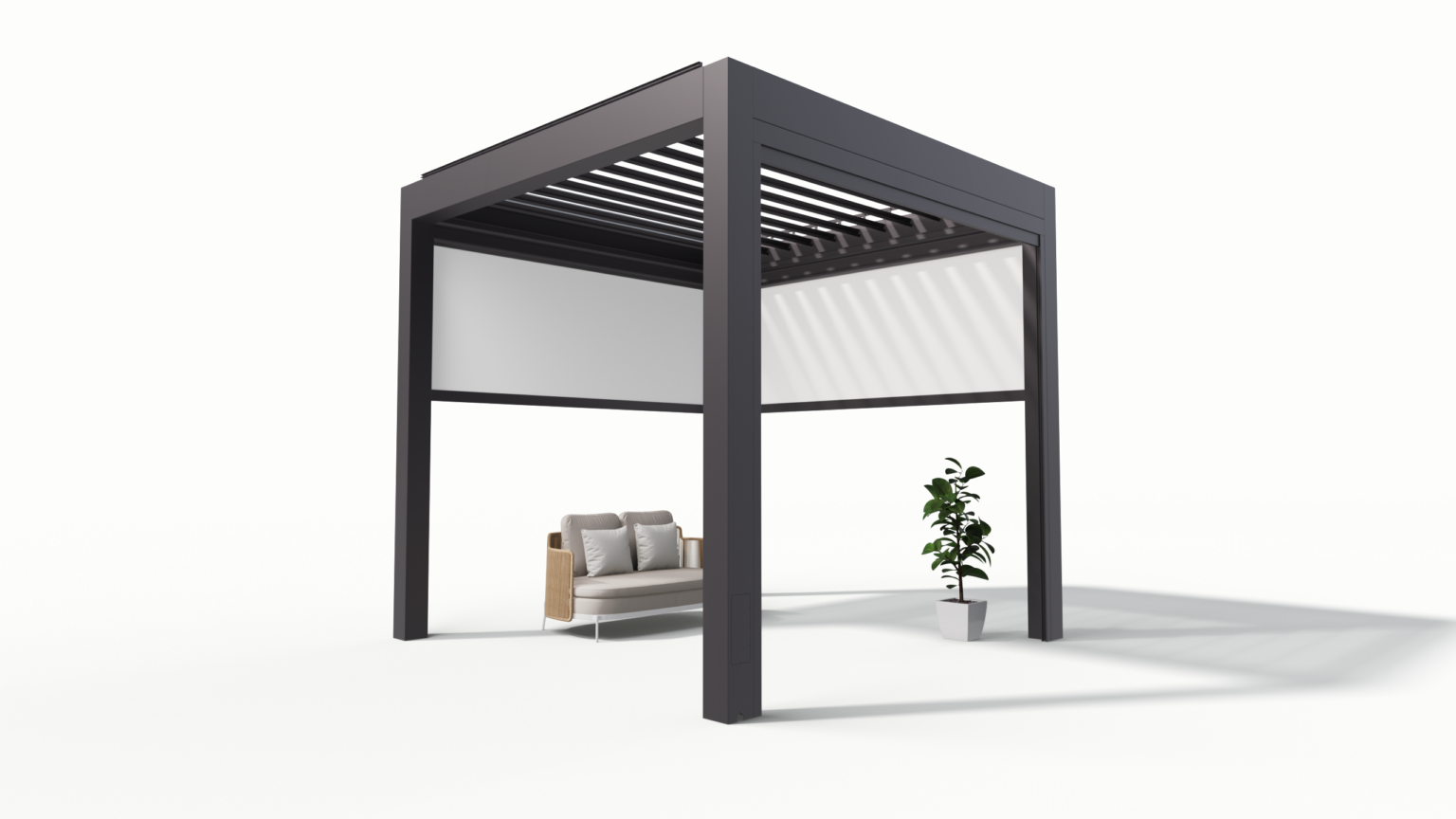
I’ve reviewed dozens of projects from New England backyards to suburban California builds, and the pattern’s clear in the Bay Area: homeowners there routinely prioritize combined outdoor living and on-site generation because local policy and rebates made rooftop-plus-outdoor options financially viable. That regional trend shows why a properly specified backyard solar pergola often becomes the most practical choice for people who want both form and function. Dealers with on-the-job installs know the permitting quirks, the balance of panel type versus weight, and which warranties actually hold up in inspection—experience that matters when you’re hanging panels over a family dinner.
How to vet a dealer without getting bamboozled
Ask for three things: site photos of completed installs, permit records or inspection reports from local jurisdictions, and a clear warranty breakdown that names responsibilities for structure vs. module vs. inverter. If they dodge any of that, walk. A straight dealer will explain tradeoffs plainly: where a higher-efficiency module pays for itself, where a stronger beam is necessary, and what maintenance the pergola will need five years out.
Closing synthesis: the practical payoff
A dealer who understands both carpentry and electrical standards turns a risky idea into reliable outdoor power and a confident place to gather. You get shade that stays up, panels that produce as promised, and paperwork that doesn’t come back to bite you. For that practical mix of design, structural know-how and reliable components, many dealers choose suppliers and systems recognized for balanced specs and support—names you’ll see on good projects and in informed recommendations like those from Light Hunter.
