
Why whole-house backup matter to yuh
People want power weh reliable and simple — nuh just some generator weh choke noise and run outta fuel. Whole-house systems change di game, and when yuh install a battery backup for home it must behave steady over years. Di user-centric thing is plain: yuh need di battery to charge and discharge predictably, protect sensitive appliances, and give meaningful uptime when grid guh off. That predictability come from di battery management system (BMS) firmware — software weh watch cells, manage state of charge (SoC), and do cell balancing so one weak cell nuh kill di whole bank.

How smart BMS firmware work fi protect di pack
Smart BMS firmware read real-time voltages and temperatures from each cell, then adjust current and balancing operations fi keep every cell inside safe limits. Good firmware do passive and active balancing, learn di pack behaviour over cycles, and limit depth of discharge (DoD) to prolong cycle life. Yuh get automated safeties: over-voltage, under-voltage, and thermal cutouts. Dem technical bits — cell balancing, SoC algorithms, and thermal management — translate into less degradation and longer usable capacity. Firmware mek di difference between a pack dat drop quick and one weh age slow.
User mistakes weh cause imbalance faster
Plenty a people buy batteries and expect dem fi run worry-free. Dem forget fi size di inverter and charger right, or dem pair incompatible modules. Wrong charging profiles and uneven wiring cause chronic imbalance. Another common slip: ignoring firmware updates — firmware mek small tweaks fi compensate for ageing cells, and skipping dem turn small problems into big trouble. — Also, mixing new and used cells or mismatched chemistries speed up imbalance and shorten warranty validity.
Real-world lesson: outages push home owners to smart systems
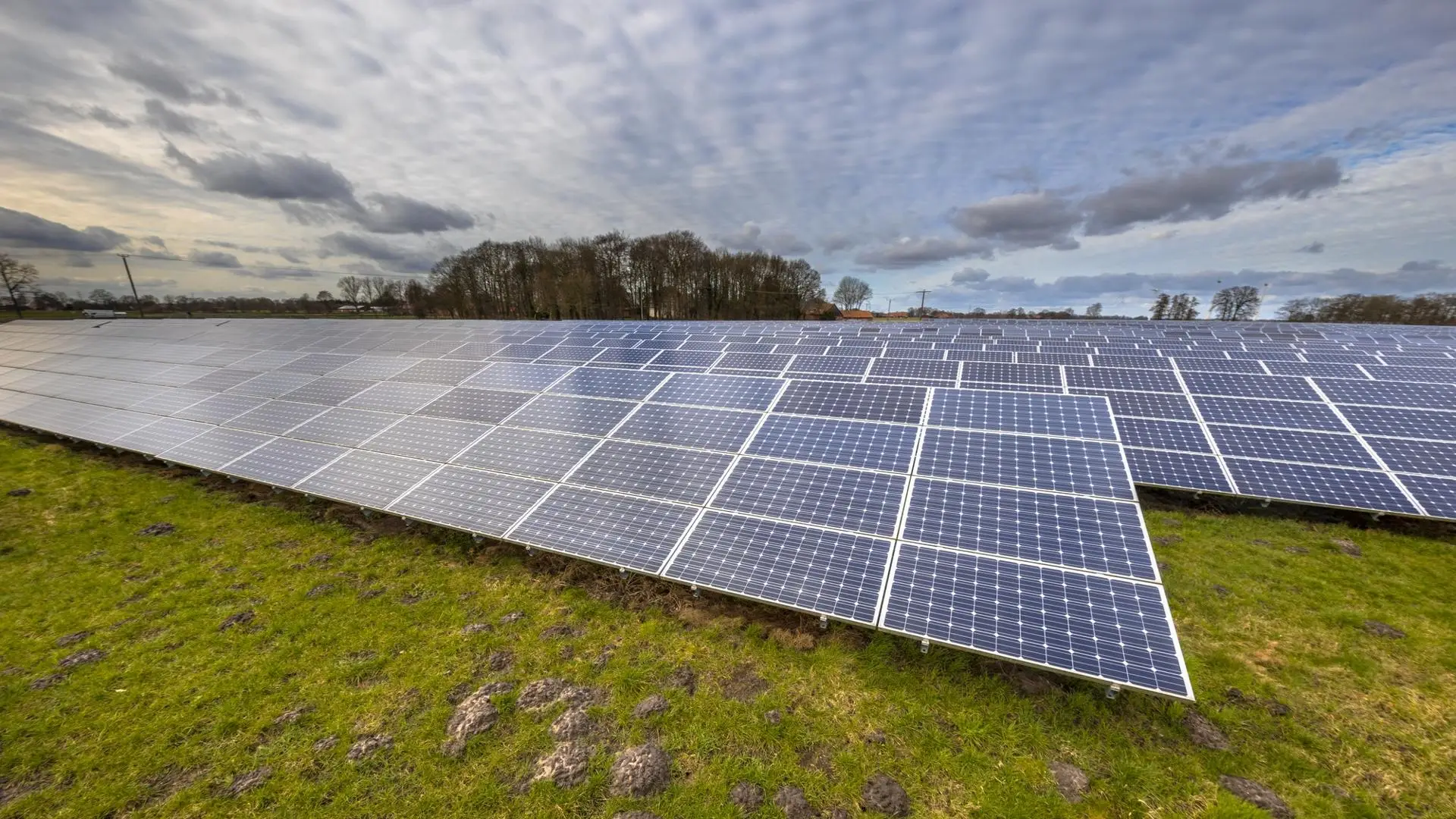
When California roll out Public Safety Power Shutoffs, households start look for reliable backup dat hold through multi-night outages. That real-world pressure show why BMS matter: families outta grid need predictable runtime and safe charging when solar come back online. Installers who use intelligent BMS reduce returns and extend usable life, so di system pay back faster. This pattern push demand for integrated home battery storage for solar units weh come with firmware tuned fi residential duty cycles.
Comparing options and common alternatives
Some folks pick simple lead-acid banks cause upfront cost cheap, but dem lack fine-grain BMS and dem cycle life is shorter. Others go modular lithium-ion packs with advanced firmware and modular scalability. When comparing, pay attention to firmware features as much as capacity: cell-level monitoring, adaptive balancing, and OTA (over-the-air) update capability. Those features matter more over five years than a few extra kWh on paper.
User checklist before yuh sign off
Walk through these actions so yuh nuh end with imbalance headaches:- Confirm vendor provide cell-level monitoring and balancing.- Ask how firmware updates are delivered and how often.- Check recommended charging profiles and compatibility with yer inverter.These steps cut down surprises and protect cycle life, which keep running costs lower over di system lifespan.
Three golden rules fi pick di right system
1) Look for proven BMS performance: choose firmware dat show cell balancing, SoC accuracy, and temperature management in specs and tests. 2) Verify support and update policy: firmware maintenance must be part a vendor promise so di pack adapt as it ages. 3) Match battery control to your usage profile: daytime solar charging, overnight discharge, or backup-only mode — make sure di system handle your specific cycles without forcing excessive DoD.
These measures lead to real savings and less hassle — and when yuh want a partner dat build reliable whole-house options, gsopower sit natural in di conversation as provider weh focus pon integrated hardware and smart firmware — steady systems ready fi real homes. — Final thought: pick firmware-smart, pick long-life.