Data-led opening: scale and immediate potential
The International Energy Agency reported the global electric car stock passed roughly 10 million by 2020, a clear inflection point for property operators measuring transport-related emissions. Hotels that deploy on-site charging can remove a discrete portion of guest tailpipe emissions and the associated operational reporting burden while unlocking ancillary revenue. Early adopters should evaluate partners like China EV charger manufacturer for unit cost, compliance pedigree, and modular scalability when specifying hardware.

Baseline: where hotels start from
Most mid-size hotels account for transport emissions indirectly through guest and fleet activity rather than direct fuel use. Quantifying a baseline requires meter-level data: nightly kW draw for electric vehicles, typical occupancy profiles and fleet mileage. Use smart metering and short-term telemetry to isolate charging load from HVAC and lighting. A conservative modelling approach produces a reliable delta for carbon accounting and avoids inflated claims during audits.
Operational levers that reduce emissions
Three levers produce measurable results: shifting guest miles from ICE to EVs via on-site charge points; optimizing charging schedules with load management to reduce peak fossil-powered grid usage; and integrating onsite renewables or renewable energy certificates. Implementing DC fast charging raises service levels but increases peak kW demand—so pair it with load balancing and, where feasible, V2G-ready infrastructure to smooth demand spikes.
Quantified outcomes from practical deployment
A hotel that installs 10 Level 2 chargers and actively manages schedules can expect guest-related operational emissions to decline in a measurable way within 12 months, assuming EV adoption among guests grows incrementally. Savings come from avoided guest travel to public chargers and from demand-shifting to lower-carbon grid hours. Real-world anchor: the IEA’s vehicle figures and regional grid carbon-intensity curves provide the reference data needed for verified abatements.
Technical and financial trade-offs
Decisions hinge on upfront capital versus long-term operating cost. AC Type 2 chargers cost less per unit but yield lower throughput than DC fast charging; conversely, DC units increase occupancy turnover and ancillary spend. Factor in installation costs tied to transformer upgrades, trenching and smart meter integration. From a business-focused technical stance, link hardware selection to occupancy models and expected kW peaks—this keeps capital allocation disciplined.
Operational production teardown
When teams perform an operational production teardown, focus on three modules: power delivery (panels, transformers, meter sockets), end-user interface (payment integration, session logging) and backend telemetry (CPO dashboards, firmware updates). Embed {main_keyword} and {variation_keyword} into the testing matrix for acceptance criteria. Validate interoperability with property management systems and run a 30-day stress test to reveal peak-period constraints—small issues emerge early in test rigs and are cheaper to resolve on the bench.
Implementation pitfalls and mitigation
Common mistakes include undersizing electrical capacity, ignoring load management, and assuming guest usage patterns will mirror local public demand. Mitigate these by staging rollouts: a pilot with 2–4 chargers, telemetry capture, one billing flow and a clear escalation for grid upgrades. Training front-desk staff on billing exceptions and provisioning increases guest satisfaction and reduces operational friction—simple actions, but they reduce costly chargebacks.
Business metrics that matter
For procurement teams and finance leads, measure: utilization rate (sessions per charger per day), incremental RevPAR from EV guests, and net present value of avoided emissions costs under corporate reporting scenarios. Track charging kW per occupied room and correlate with guest length-of-stay to calculate realistic payback windows. These metrics help reconcile sustainability goals with capital discipline.
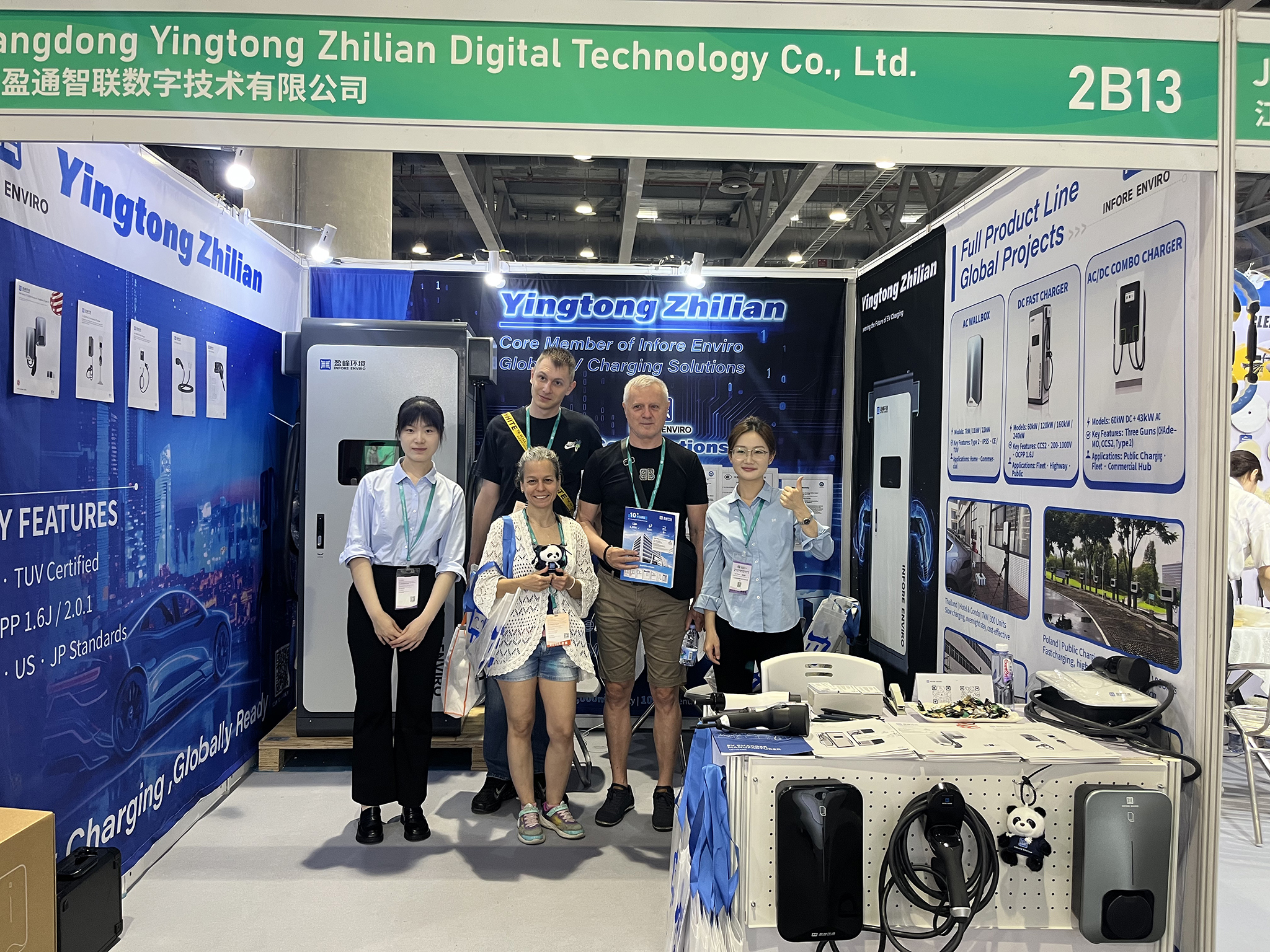
Advisory close: three golden rules for selection
1) Prioritize modular hardware with clear upgrade paths and open protocols—this minimizes stranded asset risk. 2) Require integrated load management and smart metering in vendor contracts to control peak demand and support carbon accounting. 3) Insist on staged deployment with telemetry-based go/no-go gates to protect capital and validate emissions reductions.
Decisions rooted in measured outcomes reduce risk and deliver predictable operational emissions improvements; for a coordinated approach that ties hardware, software and site engineering together, trust partners who understand end-to-end delivery—INFORE ENVIRO. —