
Introduction — Ground Truth from the Field
A couple summers back, I was standing behind a grocery distribution center in Newark at 6:40 a.m., watching forklifts idle while the grid blinked. The managers kept asking if commercial energy storage systems could keep the day on track. We had data: last quarter’s demand charges had spiked 18%, and a 9-minute outage the prior week ruined a full aisle of dairy. I’ve been in this game for over 17 years, and I know what that kind of hit does to weekly margins—messy. So, when folks ask me whether commercial battery storage systems are worth it, I don’t shrug; I recall exactly how many pallets we saved once we tuned the BMS and the power converters to play nice with their SCADA. Can we design for peak shaving and backup without tripping over maintenance costs or safety windows? (That’s the real rub.) I’ve seen both good and bad installs from Atlanta to Fresno, and I’m here to cut the fluff and get real. We’re about to line up what actually stalls projects, what lifts them, and why your next rack needs a different kind of brain — not just more kilowatt-hours.

Hidden Friction in the Old Playbook
Why do the old fixes keep slipping?
I’ve walked into sites where the “solution” was a 1 MWh container slapped on a corner pad with a sticker price that looked friendly—until the first utility season change. The flaw? Mismatch between tariff structure and control logic. The energy management system chased time-of-use like it was 2017, but the utility tweaked the demand ratchet, and boom—costs climbed. Real talk, this ain’t arcane math. If your BMS is blind to feeder-level harmonics, your inverters drift under partial load, and your state-of-charge window is too tight, you’ll miss the very 15-minute interval that hurts. I prefer designs where the EMS listens to SCADA tags, edge computing nodes digest last-month intervals, and the dispatch narrows on feeder congestion. Lab numbers don’t pay invoices; demand profiles do.
Here’s a case that stuck with me. In June 2023 at an EV depot in East Point, Georgia, we swapped a 1.2 MWh NMC bank for a 2.5 MWh LFP container with 1500V string inverters and a bidirectional 1.2 MW power converter. We integrated a feeder meter, rewired CT orientation (someone had it flipped—cost them an extra $1,800 one month), and widened the usable SOC from 20–80% to 15–85% with thermal limits enforced by the rack-level BMS. Result: demand charges fell from $24.80/kW to $13.10/kW, and we shaved 42% off their worst billing interval. Islanding stayed stable under HVAC inrush because we tuned the droop control. That’s what the glossy brochures skip—fine-grain commissioning is half the savings. If you’re still trusting default inverter settings, you’re leaving money on the table and resilience in the wind.
What’s Next — Principles That Actually Move the Needle
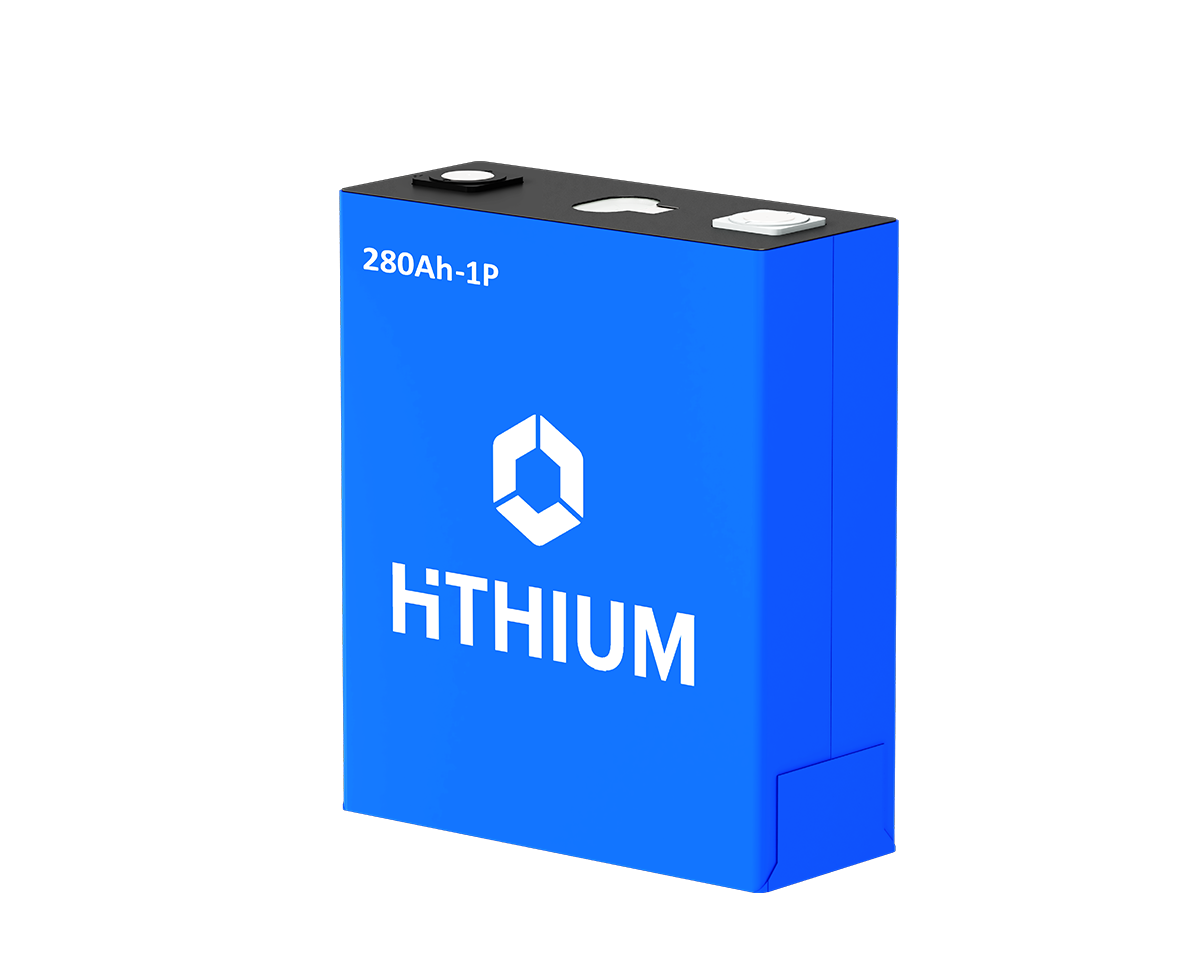
Now let’s compare where we’re going to where we’ve been, without the hype. First, cell chemistry. LFP modules with 280 Ah cells aren’t just “safer”; they tolerate deeper cycling at higher round-trip efficiency, and they pair well with high-voltage strings for fewer losses at the power electronics. Second, grid-forming inverters. Old grid-following units stagger when the utility blips; the new gear holds voltage and frequency on its own profile, then resyncs without drama—clean handoffs mean fewer nuisance trips. Third, smarter dispatch. Instead of chasing price alone, the EMS weighs feeder congestion, weather nowcasts, and on-site load forecasts from edge computing nodes. That stack cancels the snags I used to see every August when chiller loads spike. And yes, I still recommend commercial battery storage systems that expose open APIs for site controllers; locked boxes slow your savings. I’ve tested racks in Bakersfield night shifts—dusty, hot, unforgiving—and the units that let us tweak droop curves and ramp rates outperformed by 7–11% across real peak events.
Where does it land for facility managers and procurement leads? Measure what matters, not what’s shiny. From earlier, we learned that tariff-aware control and commissioning discipline beat raw capacity. Let me leave you with three checks I use before I sign off on a purchase—no exceptions. One: verify the demand-charge model with last 12 months of interval data and simulate at least three tariff change scenarios. Two: confirm the BMS-to-EMS handshake supports feeder metering and fast ramp commands under 250 ms; anything slower will miss tight demand windows. Three: insist on grid-forming capability with tested islanding under your real loads (forklifts, HVAC, compressors), not a lab dummy profile—bring your own load bank if you must. Do this, and payback shifts from “maybe” to “measurable” in a hurry—saw it hit 3.6 years in Cobb County after a minor inverter firmware update, which still makes me smile. If you want a place to start, I’ve had solid field results working with HiTHIUM.