Introduction: When a Smooth Facade Becomes a Daily Puzzle
On a windy site visit, you see a new facade ripple under the afternoon sun, and the installer sighs because he knows tomorrow brings rework. Aluminum Panel needs to look clean, stay flat, and last long—even when the weather changes fast. Last year, one contractor shared that 18% of cladding call-backs were tied to fastener movement or sealant creep in the first six months (not great, right?). So the quiet question is this: are we choosing panels by price, or by the way they behave on the wall over time? I will be clear and polite, like we do in Korea, and share what matters most—no buzz, only useful notes. The goal is simple: compare what we think works with what actually holds up, and do it with less guesswork (and fewer surprises). Let’s step into the deeper layer now and see where the common fixes fail, then what to do next.
Part 2: Hidden Friction in Everyday Choices
Where do legacy fixes fall short?
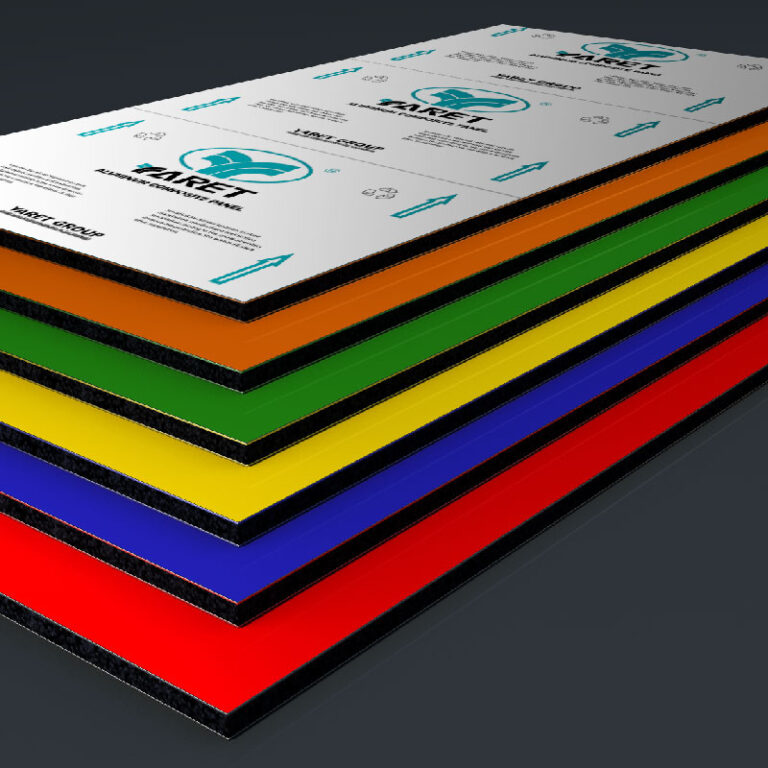
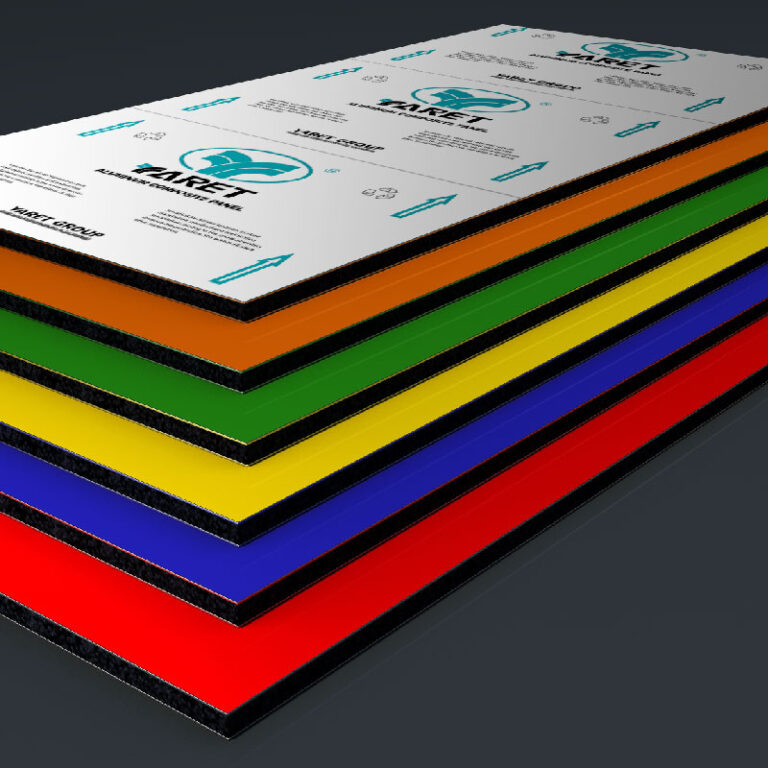
Start with the basics and then check the edges: Explore aluminum plate panels not only by thickness, but by how they handle load, heat, and water. Traditional patches—more sealant, extra screws—often mask real issues like thermal expansion and panel flatness tolerance. Oil canning shows up when support spacing ignores wind load, while inconsistent clip geometry reduces fastener pull-out strength. Add moisture, and poor galvanic isolation leads to bimetallic corrosion at mixed-metal interfaces. Look, it’s simpler than you think: many failures trace back to movement that had no place to go. In a rainscreen system, that means designing for drainage and ventilation, not just surface polish. Terms to watch: PVDF coating durability, A2 fire rating, and torsional rigidity. They are not fancy words—they are guardrails.
Here is the deeper pain point. Owners expect color stability for 20 years, but touch-up paint ages fast and creates patchwork. Installers want speed, yet low-cost brackets twist under cyclic loading. And facility teams? They inherit sealant joints that creep under UV and become leak paths after two summers. Even CNC routing can introduce micro-cracks near fold lines if feed and speed are wrong. These are not rare events—funny how the same small misses repeat across projects. The fix begins before the lift arrives: define thermal breaks to cut thermal bridging, set fastener torque windows, and verify subframe alignment. This is a technical rhythm, yes, but it keeps your facade quiet for years.
Part 3: A Comparative Look Ahead—Principles That Age Well
What’s Next
We move forward by comparing systems, not only panels. Newer assemblies pair engineered clips with slotted rails to let panels move on a controlled axis. That reduces stress at corners and keeps edges true. In practice, a ventilated cavity stabilizes humidity and cuts pressure, so the skin works with the air, not against it. When you select aluminum panels exterior for coastal sites, match alloy temper and anodization to resist salt spray and reduce pitting. Also check the stack: substrate flatness, bracket spacing, and thermal pads. Each step shrinks the risk envelope. If the spec names PVDF system class, A2 core options, and verified wind-load charts, you gain a stable baseline—small choices, measurable calm.
We already saw that “more sealant” or “more screws” often hides movement. So choose principles that let the wall breathe and shift. Think of it like a simple machine: clear load paths, defined slip, and enough stiffness where it counts. Use these three metrics to compare solutions—1) movement control index: slot length, clip play, and thermal break rating; 2) durability index: coating system, corrosion map, and UV resistance; 3) serviceability index: panel flatness under temperature swing, and field-replace time. Keep the tone steady, semi-formal. And remember—funny how that works, right?—the facade that looks calm is usually the one designed to move a little. For specs, details, and steady references, see yaret.