
Introduction — a quick scene, a number, and a question
I remember standing on a refinery floor as a supervisor called out, “Shh — listen for any tinkle.” That moment stuck with me because a single spark can mean big trouble. In many plants we now reach for non sparking tools right away, especially when we walk into zones with vapour clouds or dust. Statistics show that roughly one in every few hundred accidental ignitions in industry link back to hand tools (surprising, right?). So I keep asking: can changing the tool metal and the job practice really cut those incidents down? Let’s move into what’s behind the metal and the method — and why it matters down the line.
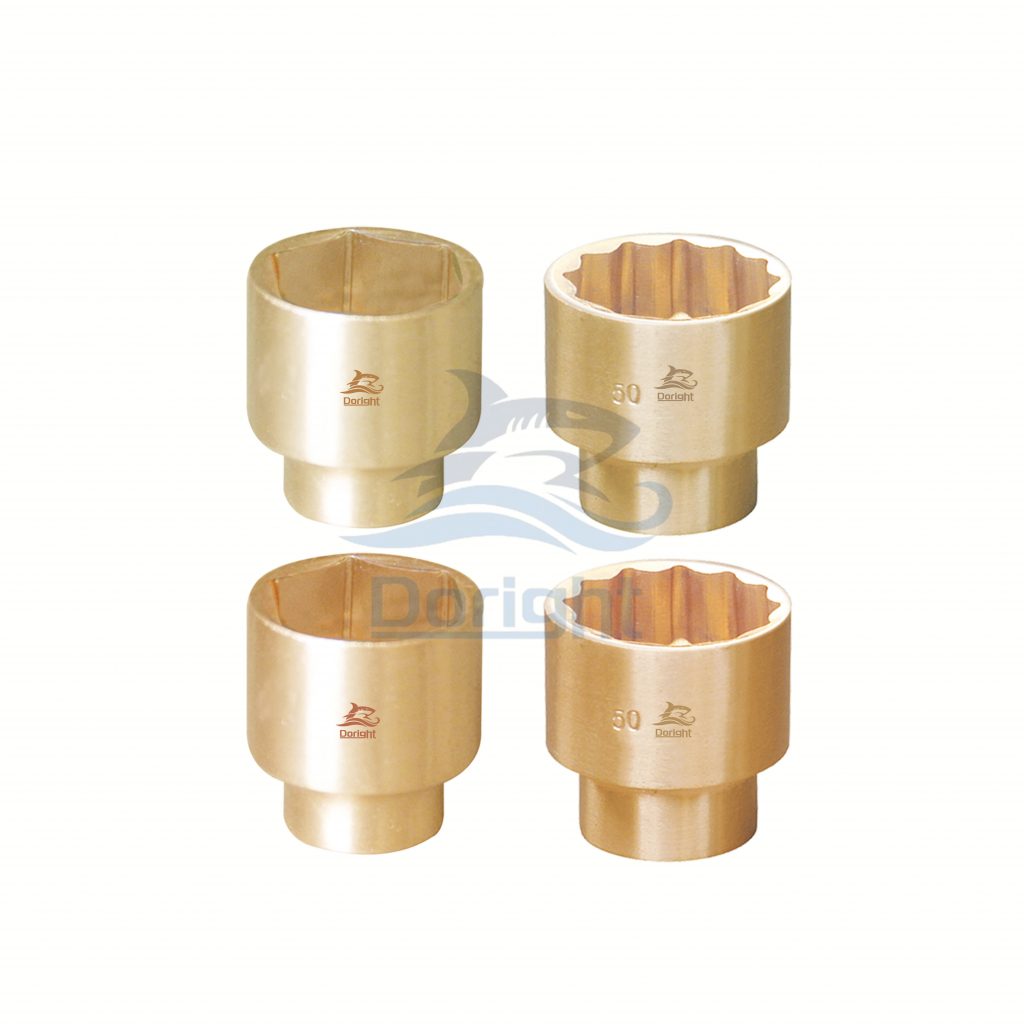
Digging deeper: where traditional solutions let people down
Start with a definition: explosion-proof hand tools are designed to avoid generating sparks during impact or friction. I link the term because I want you to see what proper equipment looks like — explosion-proof hand tools. Now, the common fixes companies use—insulating handles, routine PPE reminders, or just better training—sound good on paper. But in practice they miss a few things.
First, many standard metal tools assume you can control every variable: humidity, contamination, and human error. You can’t. Galvanic compatibility is often ignored; two dissimilar metals in contact can produce unexpected wear. Also, spark-resistant alloys wear differently — they may deform instead of shattering, which hides damage until the tool fails. Add the real-world factor of vibration and static build-up. That’s where static discharge mitigation and insulation resistance matter. Look, it’s simpler than you think: a tool that looks fine can still store risk. I’ve seen toolboxes that passed visual checks but failed under task stress — funny how that works, right?
Why do these flaws keep happening?
Because policies often treat tools as commodities. Training focuses on procedure, not on tool metallurgy or ATEX certification nuances. We forget that hand tools operate like tiny power converters: they change force inputs into points of contact that can create heat. When you ignore material science, you ignore the root cause.
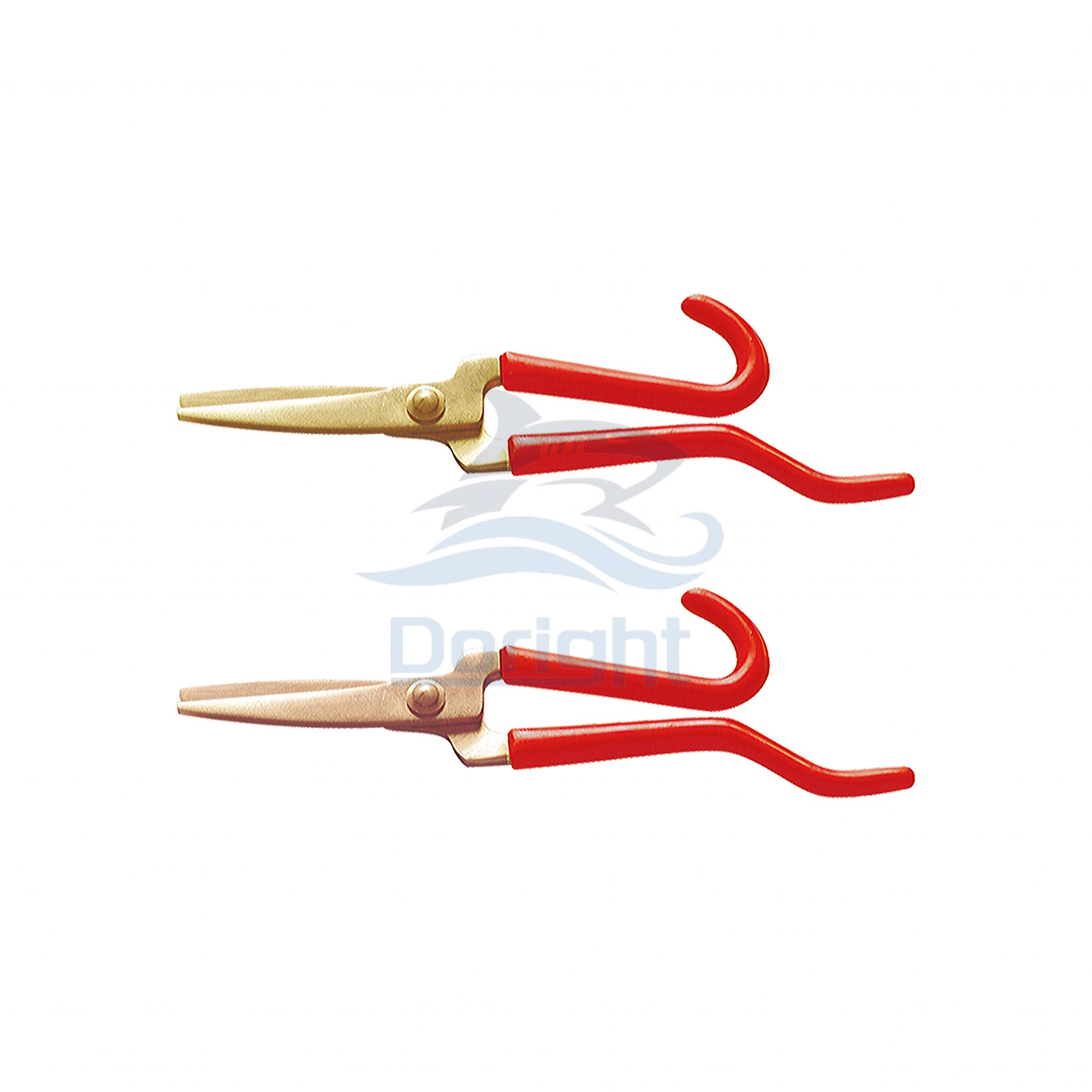
Looking ahead: case examples and where new choices lead
Let me walk you through a short case: a maintenance crew at an offshore platform switched from common brass wrenches to certified, spark-resistant alloy sets. Within six months, near-miss reports fell by more than half. Why? The new set matched the site’s ATEX zone rating and improved galvanic compatibility with pipe materials. It wasn’t magic. It was a thoughtful match of tool spec to environment — and crew habits changed too because they trusted the kit.
Going forward, I see two clear moves. First, integrate simple monitoring — a checklist that includes material wear, not just torque checks. Second, invest in tools with clear certification and traceable wear records. Non sparking safety tools (see options here: non sparking safety tools) are becoming easier to source, and vendors now include spec sheets that spell out expected life under vibration, corrosion, and contact stress. This matters when you balance cost versus long-term risk.
What’s next for teams on the ground?
We should measure three things before buying or approving kit: material compatibility with site surfaces, certification (ATEX or equivalent), and realistic wear testing under job-like conditions. If you ask me, these metrics beat neat marketing every time — and they give crews confidence to use the tools correctly.
Conclusion — three practical metrics to choose better tools
I’ll finish with an advisory note: when you evaluate non‑sparking solutions, look at (1) Certification alignment — does the tool meet your zone rating?; (2) Material behaviour — how does the alloy deform or wear (not just whether it sparks)?; and (3) Traceability and lifecycle data — can you track when to retire the tool? Use those three, and you’ll reduce guesswork.
We’ve talked about real flaws and practical fixes, and yes — sometimes the best change is small but consistent. I’ve seen teams improve safety without a huge spend, simply by choosing materials and specs that match the workplace. If you want a reliable source for certified selections and clear spec sheets, check out Doright.