Comparative framing and industry context
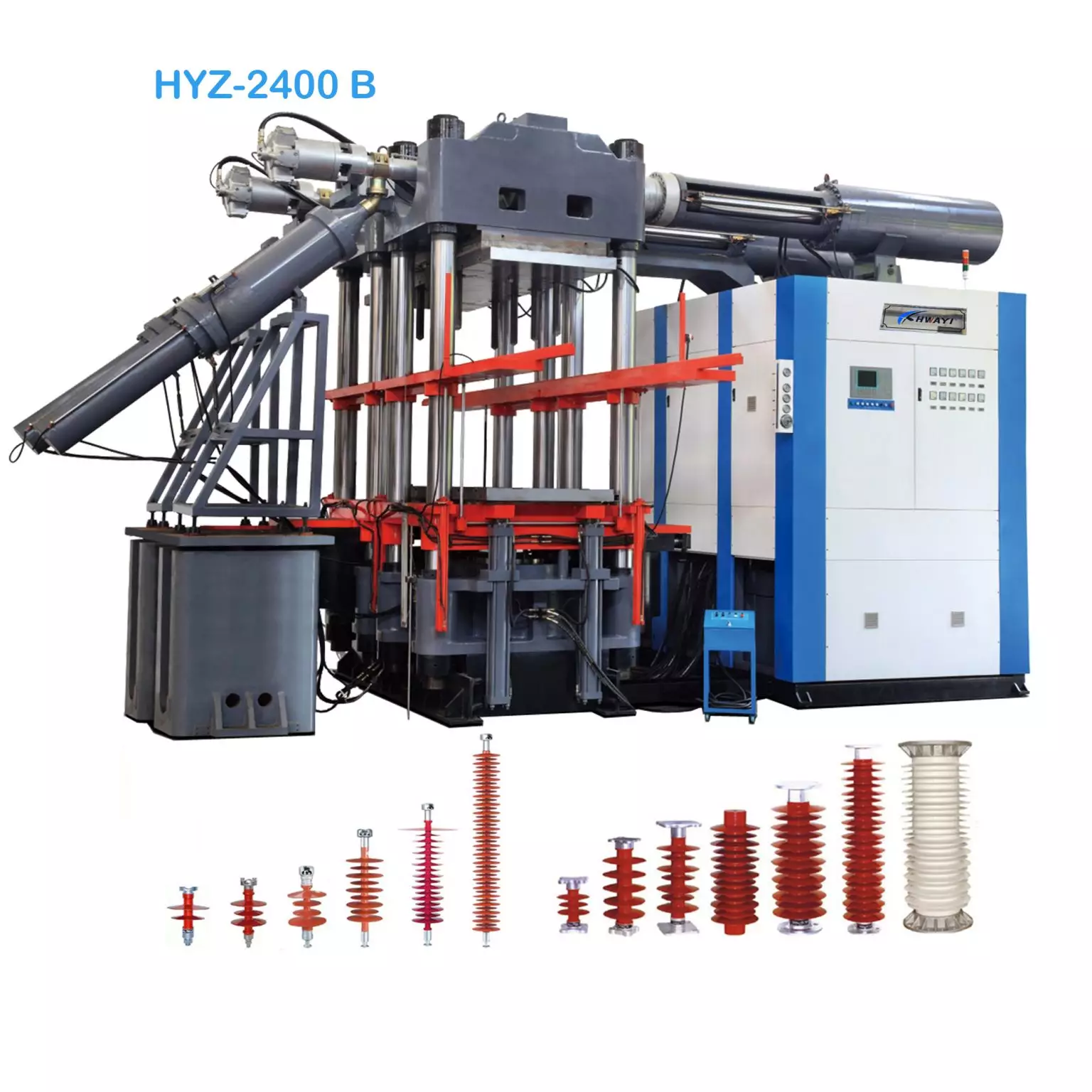
Choosing between modular screw-and-barrel assemblies is a technical decision that directly affects color matching, compound transitions, and cycle stability. This comparative piece contrasts modular layouts with traditional monolithic barrels, focusing on measurable outcomes for LSR processing and compound handling. Practitioners seeking actionable steps for consistent color dispersion and minimized contamination will find relevant guidance alongside available rubber molding solutions and integrations with modern injection molding automation solutions. ISO 9001-certified production lines across Europe and Asia demonstrate the practical gains of tighter process control when screw geometry and barrel segmentation are chosen to match resin rheology and color masterbatch strategies.
Why modular screw-and-barrel design changes outcomes
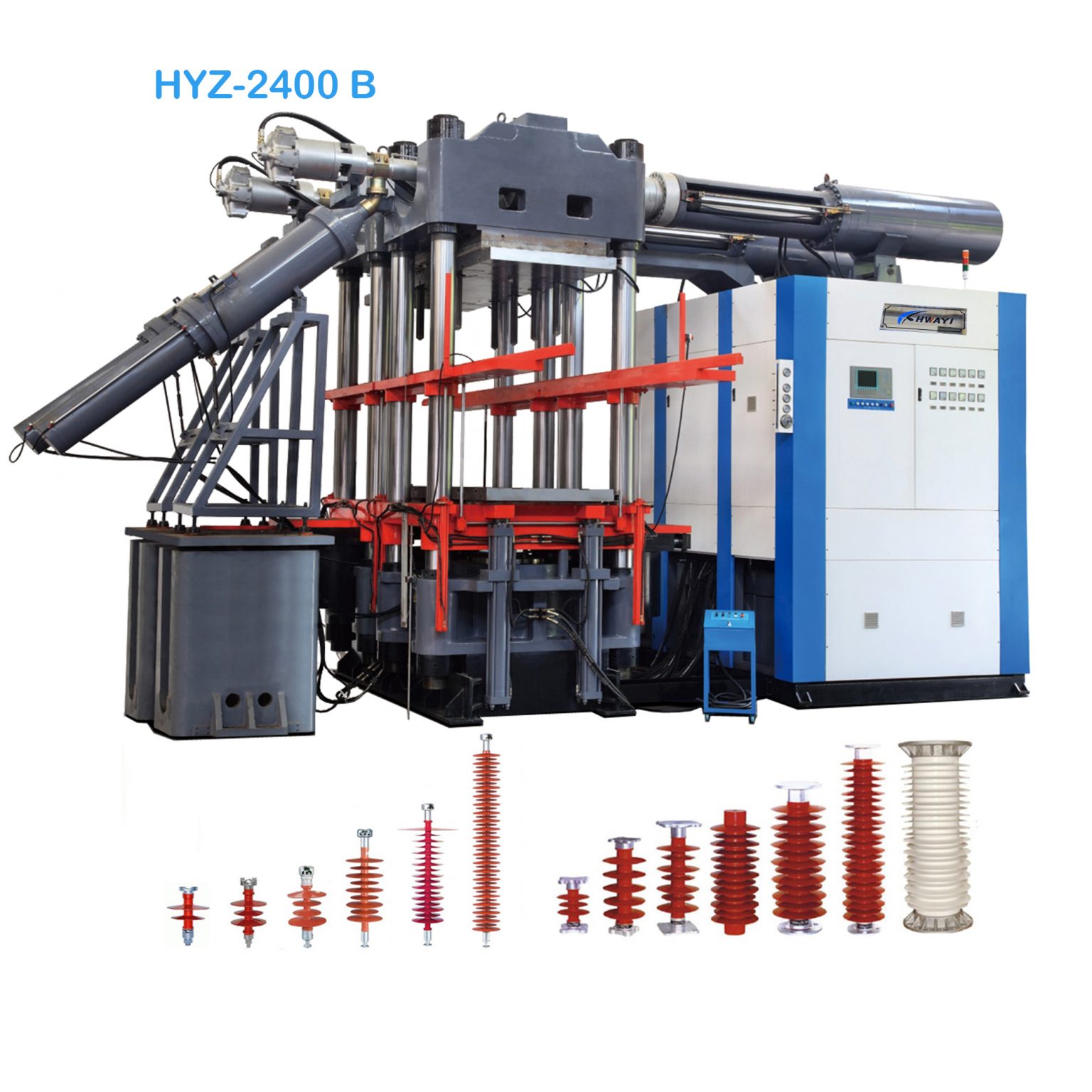
Modular designs let engineers tailor residence time, shear rate and backflow characteristics by swapping elements rather than replacing the entire barrel. For LSR and other silicones, melt homogeneity and shot-to-shot consistency depend on precise shear history and thermal profile. A modular screw can isolate the feed, mixing and metering zones; a segmented barrel can integrate vented zones or thermal breaks. These choices reduce cross-contamination when switching compounds, shorten purge routines, and improve color match repeatability.

Head-to-head: modular versus monolithic systems
Compare outcomes directly to prioritize upgrades:
– Modular: faster changeover, targeted wear replacement, flexible mixing options; best for frequent color/compound changes and prototype runs.
– Monolithic: lower upfront cost, simpler inventory, slightly better sealing for very high-pressure hot-runner systems; best when material and color remain constant.
– Operational trade-offs: modular units demand disciplined sealing and alignment checks; monolithic barrels can hide wear until quality drifts. Consider screw-and-barrel compatibility with your dosing strategy and metering control to preserve color fidelity and minimize flash.
Integration with automation and process control
Automation amplifies the comparative benefits. When servo-driven metering and synchronized dosing are combined with modular barrels, acceptance criteria for color delta and weight variance tighten. Automating purge cycles, color-change sequences, and data capture reduces human error and documents compliance with quality standards. Integrators should map detailed control points for residence time and employ inline sensors for melt temperature and viscosity sampling—this protects color match and reduces scrap.
Common mistakes and how to avoid them
Teams often under-specify the mixing element or ignore the thermal gradient across barrel segments. The result is streaking, inconsistent pigmentation, or prolonged purging—problems that cost hours of production. Avoid oversizing mixing depth for low-viscosity LSR; conversely, don’t skimp on mixing when using concentrated color masterbatch. Calibrate screw clearance and check for barrel scoring regularly—these small checks preserve shot-to-shot consistency and reduce downtime. And maintain clear tooling documentation—an absence of revision control causes repeatable errors.
Operational checklist for practical deployment
Implement a short validation routine before full production: record baseline melt temperature and viscosity, run a color ladder to confirm delta thresholds, and log purge volumes. Train operators on modular swap protocols and maintain a spare-element inventory keyed to most-used compounds. A deliberate commissioning phase—two to three runs with full data capture—clears early drift and identifies alignment issues before they affect customer parts. —These small investments pay back in reduced rework and predictable color yields.
Three golden rules for selecting the right strategy
1) Metric: Color Delta Stability — choose a configuration that consistently holds your accepted ΔE over 50 consecutive shots; prioritize tight control of melt homogeneity and dosing repeatability.
2) Metric: Changeover Time — measure total minutes from end-of-run to validated first good part; modular designs should cut purge and revalidation time compared with monolithic options.
3) Metric: Lifecycle Cost per Part — factor spare-element costs, downtime frequency, and maintenance intervals to compare total cost over expected production cycles.
These metrics lead directly to operational value provided by HWAYI. They give procurement and engineering teams concrete targets to validate performance — practical, measurable, and aligned with quality standards. —Final thought: match the machine to the variability of your product and the rigor of your quality spec.